
When it comes to improving your home’s functionality and kerb appeal, adding a carport can be a smart move. A well-built carport not only protects your vehicle from the elements, but it also adds structure and value to your property.
Whether you’re building from scratch or making broader changes—such as enclosing a verandah or expanding your outdoor living space—it’s important to make informed decisions that suit your home’s design and your long-term needs.
Understanding what to look for when choosing a carport helps you avoid costly mistakes and ensures you end up with a structure that’s both practical and well-matched to your surroundings.
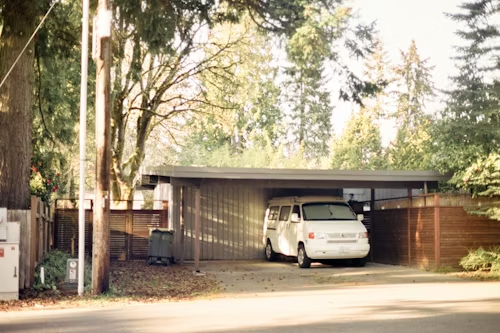
Assessing Your Needs and Goals
Start with Purpose
Before you start sourcing materials or comparing carport styles, think about why you need a carport in the first place. Is it purely for car protection, or do you also need covered space for storage, tools, or outdoor activities? Some homeowners even use their carport as a shaded entertainment area. Your primary purpose will shape the structure’s design, size, and materials.
Consider Future Use
It’s common to install a carport and later want to modify it for different uses. Thinking ahead can help you choose a style that allows for future adjustments.
For example, a wide-span carport with extra headroom could later be converted into a workshop or additional storage zone. If your property might be reconfigured—like enclosing a verandah or adding fencing—it’s worth accounting for those changes early in the design phase.
Choosing the Right Location
Checking Site Conditions
Not every spot on your block is suitable for a carport. The ground must be stable, relatively level, and accessible from the street or driveway. If the area floods easily or has tree roots running through it, you may need extra preparation work or structural support.
Ensure there’s enough space to open car doors, walk around the vehicle, and access gates or garages without obstruction. Also check that the chosen location won’t impact natural light inside your home or block key views.
Council Guidelines and Boundaries
In most local areas, building a carport requires council approval. Regulations vary depending on your location, especially in heritage or bushfire-prone zones. Carports usually need to be a specific distance from property boundaries, fences, and street frontages. Working with professionals familiar with your council’s planning rules helps you avoid unnecessary delays and modifications.
Selecting a Carport Design That Works
Freestanding or Attached
Carports come in two main forms: freestanding or attached. Freestanding carports stand separately from your home and allow more flexibility with location and size. Attached carports are connected to the house, often extending over driveways or side entrances. These are ideal if you want quick, dry access from your car to your door.
Both options have benefits, so the best choice depends on your site layout, existing structures, and how you intend to use the space.
Roof Styles and Pitch
Carport roofs can be flat, gabled, skillion, or custom-designed. Flat roofs are the most common and suit modern homes, while gabled or pitched roofs blend well with more traditional designs. The pitch also affects water drainage, shade coverage, and whether the structure can handle added features like solar panels or lighting.
If you live in a high rainfall area, selecting a roof with a proper pitch and good guttering will help manage runoff effectively and reduce maintenance.
Choosing the Right Materials
Frame and Posts
Steel and timber are the two most common frame materials. Steel is durable, resistant to termites, and typically requires less maintenance. Timber has a warmer look and may suit homes with natural or heritage styling. Either can be treated or powder-coated for better weather resistance.
Post thickness and placement also affect stability and appearance. Thicker posts provide stronger support but can make the space feel more enclosed. Thinner posts look lighter but may need extra bracing.
Roofing and Finishes
Roofing materials include colourbond steel, polycarbonate sheets, and tiles. Each has its pros and cons depending on climate and visual goals. Colourbond is strong and long-lasting, polycarbonate allows natural light through, and tiles can match an existing roofline.
Finishes such as paint, stains, or powder coating help protect materials from weather and UV damage. They also allow the structure to blend in with your home or stand out as a feature.
Customising for Functionality and Style
Lighting, Storage and Power
Adding extras to your carport boosts usability. Lighting makes it safer to use at night, while integrated storage or tool hooks can make the space multi-functional. If you plan to use the carport as a work zone or gathering area, wiring for power points and lighting should be included in the build.
These additions are best included during the construction phase rather than added later, as they require proper planning and certified electrical work.
Flooring Options
Carports don’t have to sit on plain concrete. You can choose from a range of surface materials including exposed aggregate, pavers, or even permeable options for improved drainage. The flooring should be slip-resistant, durable and suitable for your vehicle’s weight and use patterns.
Adding kerbing or edging gives the carport a neat finish and helps keep the space tidy by defining its boundaries.
Working with Professionals
Hiring Experienced Builders
A carport is a permanent structure that needs to meet safety and construction standards. Hiring licensed builders ensures your carport will comply with regulations, look professional and last for many years.
Experienced builders help with planning applications, sourcing materials, and managing construction timelines. Their input can also reduce waste, control costs and avoid issues like incorrect sizing or alignment.
Getting Accurate Quotes
Before committing, it’s best to compare detailed quotes that break down materials, labour, permits and extras. Beware of unusually low quotes, as these may exclude essential components or compromise quality. Ask what’s included, what’s optional, and whether warranties apply to both the structure and the workmanship.
Frequently Asked Questions
Do I need council approval to build a carport?
In many areas, yes. Carports often need approval, especially if attached to your home, close to boundaries or over a certain size. Always check local requirements before building.
How long does it take to build a carport?
Depending on the size, site conditions and approval process, construction can take one to four weeks. Custom designs or additional features may extend the timeline.
Can a carport add value to my property?
Yes. A well-designed carport provides practical benefits and can boost property appeal, especially in areas with limited parking or exposure to the elements.
Conclusion
Top tips for choosing the right carport for your home always start with understanding your needs and matching the design to your lifestyle. From initial planning through to construction and final finishes, each decision should consider usability, appearance and compliance.
Whether you’re upgrading your home’s exterior, adding storage, or even working on broader outdoor improvements like enclosing a verandah, the right carport ties everything together. With thoughtful planning, quality materials and professional guidance, your carport can become a standout feature that serves you for years to come.











Leave a Reply