
In construction, precision matters. Whether you’re developing a commercial warehouse or an industrial processing facility, the accuracy of metal fabrication can determine how efficiently structures go up, how well they perform under load, and how long they last.
When steel frameworks, support structures, brackets, or custom components are fabricated even slightly off-spec, the consequences ripple through the entire build—from misaligned assemblies to costly on-site modifications.
With increasing pressure to meet safety standards, reduce waste, and hit tight deadlines, getting the metalwork right the first time is not optional. Accurate fabrication saves time, cuts costs, and supports the long-term integrity of the build.
In some cases, high-value materials like titanium may be considered for specialised elements. Questions like how much is titanium worth often arise when weighing performance against budget. While titanium offers unmatched strength-to-weight ratios and corrosion resistance, steel and aluminium remain the backbone of commercial and industrial construction—especially when delivered with pinpoint accuracy.
This article outlines why accurate metal fabrication is crucial for commercial & industrial builds, providing insight into the broader impacts of precision at every stage of a project.
The Foundation of Fit and Function
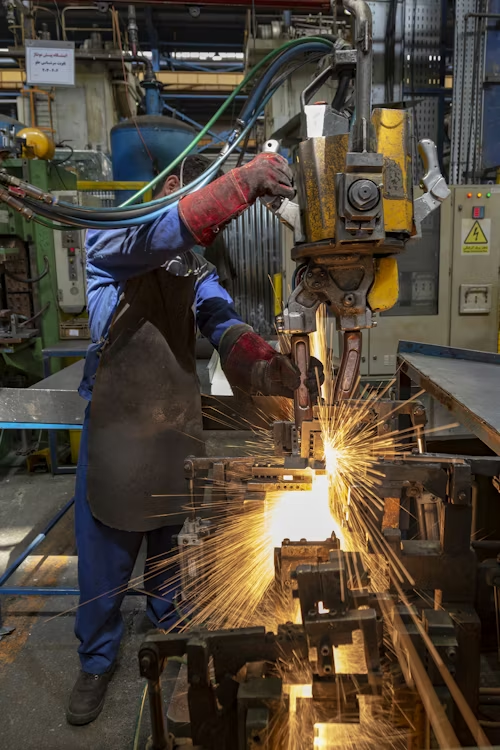
Proper Alignment Starts with Precise Cutting
Fabrication begins with cutting sheets, tubes, or beams into the correct sizes. If measurements are off by even a few millimetres, misalignment occurs during assembly. In a steel-framed warehouse, for example, an error in a single beam can throw off bolt holes across the entire structure.
Accurate cutting ensures that all parts fit together seamlessly. CNC plasma or laser cutting equipment allows operators to hold tolerances to within fractions of a millimetre—ensuring consistency across every piece.
Assemblies Must Match Design Intent
When components such as brackets, gussets, or frames are cut, bent, or welded without precision, they deviate from the original engineering model. These deviations can affect weight distribution, introduce stress points, or lead to uneven load paths.
In heavy-use environments, such flaws result in early fatigue, cracking, or failure under pressure. Precise fabrication preserves the intent of the design and maintains its structural integrity.
Preventing On-Site Problems
Fewer Delays During Construction
Incorrect parts require either rework or replacement. In a large-scale build, delays due to misfabricated metalwork can halt progress for days. This affects not only the structural phase but also every trade that follows, from cladding to mechanical installations.
By getting the fabrication right in the workshop, installers spend less time adjusting or modifying pieces on-site. Precision reduces downtime and helps keep the build on schedule.
Reducing the Risk of Rework
Reworking fabricated steel is time-consuming and often expensive. Drilling new holes, grinding down edges, or making on-site welds introduces new risks and weakens the material.
When fabrication is accurate, parts arrive ready to install. This eliminates secondary processes and ensures all components maintain their full structural properties.
Supporting Compliance and Quality Control
Meeting Australian Building Standards
Australia’s building codes and structural regulations demand consistent quality across all fabricated elements. Errors in fabrication can lead to failed inspections, certification issues, or even the rejection of entire batches.
Accurate metal fabrication supports compliance by ensuring parts meet dimensional, material, and weld-quality standards. Fabricators who adhere to ISO 9001 or AS/NZS 5131 (structural steel fabrication standard) provide traceability and assurance that components meet required specifications.
Supporting Safety in High-Risk Builds
Industrial environments such as mining, energy, or chemical processing facilities rely on strong, accurate steel components. A flawed support bracket or misaligned pressure vessel part can lead to accidents.
Accuracy is not just about fit—it’s about safety. Every fabricated part must hold up under expected stress levels, perform as designed, and support the systems it was built to handle.
Enhancing Efficiency Across the Supply Chain
Predictable Lead Times
Accurate fabrication starts with reliable drawings and finishes with a structured workflow. CNC-controlled machinery, automated measuring, and 3D CAD modelling all support efficiency. The more accurate the process, the more predictable the output.
This consistency allows project managers to schedule installations, coordinate deliveries, and align follow-up trades without unexpected delays.
Simplifying Installation
Pre-punched holes, notched edges, or welded assemblies that arrive ready-to-fit speed up the installation process. Precise fabrication allows for quicker bolting, welding, or mechanical fastening on-site, reducing the need for specialist labour.
For large projects involving hundreds of individual parts, accuracy turns a logistical challenge into a well-sequenced assembly task.
Saving Costs in the Long Run
Minimising Material Waste
Accurate cutting and folding ensure that every sheet or beam is used efficiently. Poorly planned or inaccurate fabrication leads to more off-cuts, which increases material waste.
Modern nesting software, when paired with CNC machines, ensures optimal use of raw materials. This helps manage steel costs—especially when large volumes are involved.
Avoiding Project Overruns
Construction budgets are closely tied to timelines. Delays caused by errors in fabrication often lead to knock-on effects across subcontractors, equipment rental, and labour.
Accurate metalwork avoids these issues, providing measurable savings through reduced rework, quicker installation, and fewer delays.
Accuracy in Custom Fabrication Projects
Tailored Designs Require Tight Tolerances
In commercial builds, not every component is standard. From custom staircases and balustrades to fabricated platforms and equipment bases, many elements must be tailored to fit the space.
Custom work demands tighter tolerances because there’s no room for generic adjustments. When dealing with bespoke installations, accuracy from the fabrication stage becomes even more important.
Visual and Architectural Details
In commercial spaces such as offices or retail developments, exposed steelwork is part of the aesthetic. Any flaws in welds, bends, or surface finish will be visible once installed.
Precision during fabrication ensures that visible elements align properly, surfaces remain clean, and finishing work—such as powder coating or polishing—achieves the desired result without covering flaws.
Materials and Cost Considerations
Choosing the Right Metal for the Job
Not all builds require the same material. Mild steel remains the standard for most structural applications, but stainless steel, aluminium, and high-tensile grades are used when required.
In rare cases, titanium may be considered for its resistance to corrosion or extreme strength-to-weight ratio. At that point, project managers often ask how much is titanium worth compared to standard steel. While titanium is far more expensive per kilogram, its durability can offset replacement costs in specialised builds.
Balancing Performance with Budget
Accurate fabrication allows you to get the most out of your chosen material. Reducing waste and rework means you can justify using higher-grade metals when needed. In cases where budget limits material choice, precision fabrication ensures that lower-cost materials still perform reliably.
Frequently Asked Questions
Can fabrication accuracy affect structural certification?
Yes. Fabricated steel that doesn’t meet the design specifications or tolerances may be rejected during structural inspections. Certified fabricators follow procedures that ensure each part is within acceptable limits and complies with industry standards.
Does CNC fabrication guarantee accuracy?
CNC machines dramatically improve accuracy, but they still depend on correct input data. If the CAD model or material setup is flawed, the output may still be incorrect. Quality control processes must be in place to verify CNC work.
What’s the biggest risk of poor fabrication in industrial builds?
The biggest risk is failure under load, which can lead to collapse, injury, or downtime. Even minor inaccuracies can compound across multiple components, affecting alignment, load paths, or system performance.
Conclusion
Understanding why accurate metal fabrication is crucial for commercial & industrial builds helps project managers, engineers, and contractors avoid hidden risks and ensure better outcomes. Accuracy supports structural integrity, keeps projects on schedule, reduces cost, and maintains safety across every stage of construction.
From the moment steel is cut to when it’s installed on-site, precision fabrication underpins a successful build. Whether you’re constructing a multi-storey carpark, fitting out a warehouse, or delivering infrastructure for an industrial plant, the quality of your metalwork must match the demands of the job.
Accuracy is not a luxury—it’s a requirement. And with tools like CNC machinery, digital modelling, and advanced quality control, it’s more achievable than ever.
Whether you’re working with basic mild steel or benchmarking against materials where you’re asking how much is titanium worth, precision ensures every choice delivers results. Accurate fabrication forms the framework that holds modern construction together—literally and financially.











Leave a Reply