
Becoming a successful musician requires more than just natural talent. Skill development, dedication, and consistent practice play a massive role in shaping a well-rounded artist. Whether you’re picking up an instrument for the first time or you’re already deep into your musical path, there are certain abilities that separate the average performer from the exceptional one.
From rhythm training to performance confidence, each area of growth contributes to a stronger musical identity. And yes, if you’re a percussionist or interested in rhythm, learning proper drum techniques is a must — but every aspiring musician, regardless of their instrument, can benefit from a diverse range of proficiencies.
Understanding Music Theory
Building Blocks of Sound Knowledge
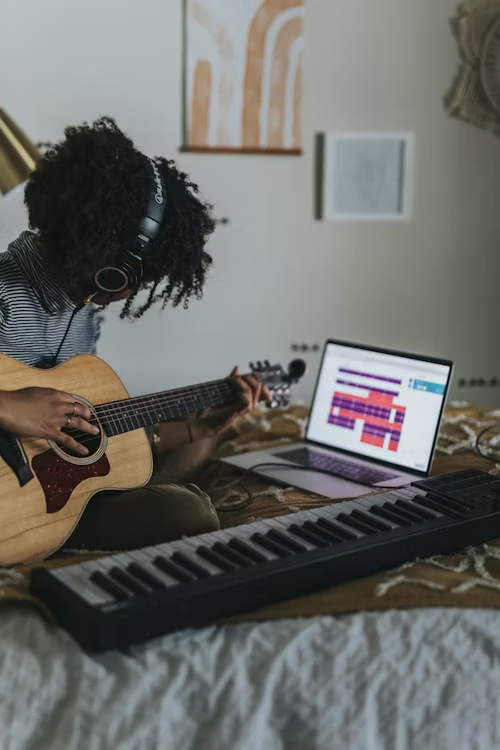
Music theory is a core foundation that allows musicians to understand the structure behind what they play. Learning the basics of notation, chords, scales, and rhythm patterns gives you the tools to communicate ideas clearly with others. It also opens the door to writing original music and adapting songs more efficiently.
Musicians who ignore music theory often find themselves stuck, relying heavily on imitation rather than creativity. Having a good grasp of theory allows you to recognise patterns and create new ones with confidence.
Applying Theory to Practice
Start by learning how different scales work, especially major and minor. Get comfortable with time signatures and chord progressions. Use ear training to connect sounds with theoretical knowledge — this strengthens both understanding and recall.
Many online platforms offer structured lessons that help you apply theory through practical examples, including sheet music exercises, song breakdowns, and improvisation drills.
Developing Ear Training
Improving Pitch and Recognition
Ear training is one of the most valuable skills for a musician. It sharpens your ability to identify notes, intervals, and chords by sound alone. This not only helps with performance but also supports songwriting, improvisation, and working with other musicians.
Start with basic interval recognition, then move on to chord types and progressions. Over time, you’ll be able to pick out melodies and harmonies without needing to look at a score.
Listening With Intent
Train yourself to listen actively. Analyse recordings, paying attention to how instruments interact. Ask yourself questions like: “What key is this song in?”, “What type of chord just played?”, or “Is that a perfect fifth or a major sixth?”
Active listening increases musical intuition. Whether you’re rehearsing with a band or writing solo pieces, having strong ears gives you a creative edge.
Mastering Instrument Technique
Precision Over Speed
Every instrument demands a level of physical skill. For guitarists, it might be clean chord transitions. For vocalists, it’s breath control and vocal placement. Pianists focus on hand independence. Regardless of the instrument, technique matters.
The temptation to play quickly can lead to sloppy habits. Focus instead on clean execution and timing. Once accuracy is in place, speed will follow naturally.
Practice That Builds Muscle Memory
Break exercises into short, focused sessions. Target weak areas and use a metronome to keep tempo. Repetition is your friend — it builds muscle memory and confidence.
When learning new songs or solos, slow down the tempo and gradually increase it as you become more comfortable. Technique, like strength, develops over time through consistent effort.
Improving Rhythm and Timing
Why Rhythm Matters for All Musicians
Even if you’re not a drummer, having strong rhythm is essential. Timing affects how a song feels and flows. Musicians with tight rhythm stand out, and those without often struggle to stay in sync with others.
Practise clapping rhythms, playing along with backing tracks, or using a metronome. Rhythm training apps and drum loops are also useful tools.
Strengthening Internal Tempo
Playing with a metronome should become a regular habit. Over time, aim to “internalise” the beat — meaning you can stay on time without relying on external tools. This helps in live settings where tempo may shift slightly due to adrenaline or audience energy.
One common method is to practise with the metronome clicking on beats two and four, which simulates a snare drum pattern and challenges your internal timing.
Building Stage Presence and Confidence
Handling Nerves in Front of an Audience
Even the most skilled musicians can falter without performance confidence. Nervous energy is natural, but with preparation and mindset training, it becomes manageable.
Start by performing in low-pressure environments, such as for family or open mic nights. The more experience you gain, the easier it becomes to handle larger audiences.
Developing Presence Beyond Playing
Confidence isn’t only about playing the right notes. Stage presence involves posture, eye contact, and how you carry yourself. Engage the crowd by acknowledging their energy and sharing yours.
Watch videos of seasoned performers to see how they interact with the audience. Notice how subtle movements, pauses, or expressions help deliver a memorable performance.
Learning to Collaborate
Playing Well With Others
Music often involves working in groups, whether it’s a duo or a full band. Collaboration demands flexibility and communication. Being a good listener is just as valuable as being a good player.
Respect each person’s contribution and learn how to adapt your part to suit the overall sound. Jam sessions are a great way to improve chemistry and discover new creative paths.
Giving and Receiving Feedback
Constructive feedback strengthens group dynamics. Learn to give input respectfully and receive it with an open mind. Musicians who are open to critique tend to grow faster and work better in professional environments.
Use recording tools to review group rehearsals. Listening back allows everyone to pinpoint areas for improvement and celebrate what’s working well.
Songwriting and Creativity
Expressing Individuality Through Composition
Writing your own music is a rewarding process. It allows you to create something unique and connect with others in a meaningful way. You don’t have to be a lyrical genius — even instrumental pieces can speak volumes.
Begin with simple structures. Write down lyric ideas, chord progressions, or melodies as they come. Use a phone or voice recorder to capture moments of inspiration quickly.
Fueling Creativity Consistently
Creativity often comes in waves, but you can train it to flow more regularly. Set aside time each week to write, even if it’s just short ideas. Collaborate with others to stretch your imagination.
Expose yourself to various genres, styles, and cultures. The more influences you have, the richer your creative voice becomes.
Frequently Asked Questions
How long does it take to become a skilled musician?
There’s no fixed timeline. Progress depends on consistency, quality of practice, and personal goals. With daily practice and focused effort, noticeable improvement can be seen within a few months, but mastery is a lifelong journey.
Do I need to learn music theory to be good at music?
While it’s possible to play by ear, learning music theory significantly expands your understanding. It helps with composition, communication, and collaboration. Most successful musicians have at least a basic grasp of theory.
What’s the best way to practise if I only have 30 minutes a day?
Break your session into small segments: warm-up, technical drills, theory or ear training, and creative work like improvisation or songwriting. Consistency beats long, unfocused sessions.
Conclusion
No matter your musical background or instrument of choice, these seven skills — theory, ear training, technique, rhythm, confidence, collaboration, and creativity — are essential for any aspiring musician. Building each one gradually will shape you into a versatile, confident, and expressive performer.
Every artist’s path is different, but the most successful ones all share a commitment to growth and learning. Whether you’re rehearsing daily or just getting started, putting time into developing these core abilities will lead to a more rewarding musical experience.
Keep the passion alive and never stop learning — your best performance is always ahead of you.











Leave a Reply