
Dental care has changed significantly in recent years. What was once seen as an uncomfortable experience is now evolving into a service built on personalised care, transparency, and minimal discomfort.
Modern dental care focused on comfort and clarity puts the patient first—not just through advanced tools, but by making sure every step of the process is clearly explained and designed with comfort in mind.
People seeking dental services in Melbourne now expect more than just clinical treatment. Whether it’s preventive care or more complex procedures, clinics such as Dentist Elwood are leading the shift towards an approach that reduces anxiety, improves outcomes, and builds long-term trust between practitioners and patients.
Understanding the Shift in Modern Dentistry
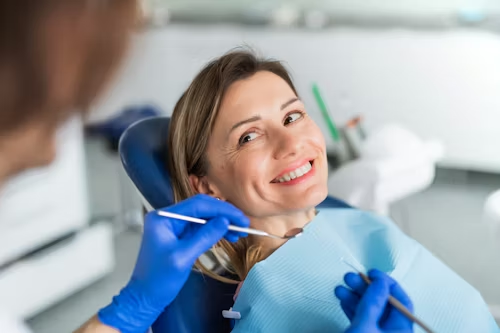
The core principles of dental care remain the same: prevent, treat, and maintain oral health. However, the way those goals are reached has changed. Today’s modern dental care aims to create an environment where patients feel heard and at ease.
Technology That Reduces Discomfort
One key change is the introduction of tools that support less invasive treatments. Digital X-rays, laser dentistry, and ultrasonic scaling all reduce the physical discomfort often associated with traditional procedures. These tools not only offer better precision but also allow for quicker recovery times and less time in the chair.
Clear Communication and Education
Clarity isn’t just about diagnosis. Patients are now being included in decision-making more than ever. Dentists explain treatment options using visual aids, models, or digital scans, ensuring each person understands what is happening and why it matters. This openness builds trust and reduces the fear often associated with dental visits.
Preventive Care with a Modern Touch
Prevention is still the most effective way to maintain oral health. With improved tools and regular check-ups, small issues can be identified and treated before they develop into something more complex.
Professional Cleaning and Assessment
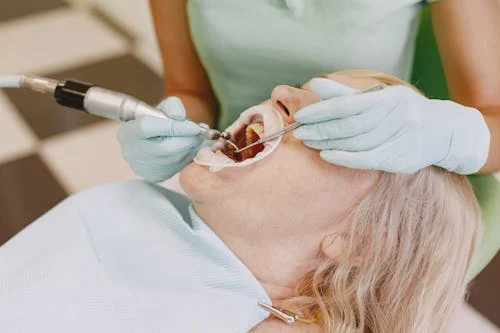
Routine cleaning removes plaque and tartar in ways brushing and flossing at home cannot. In a modern dental care setting, ultrasonic cleaning tools are often used instead of metal scrapers. These tools break down deposits with soundwaves, causing less irritation to the gums and teeth.
Custom Treatment Plans
Rather than giving the same advice to every patient, dentists today tailor their recommendations based on oral history, lifestyle, and current conditions. This might include advice on diet, brushing technique, or targeted products for gum health or enamel strengthening.
Restorative Treatments That Prioritise Comfort
When treatment is needed, the focus is on restoring function and appearance with the least discomfort possible.
Tooth-Coloured Fillings
Composite resin fillings are used to match the natural colour of the tooth, offering a more discreet and less invasive alternative to traditional metal fillings. These materials are bonded directly to the tooth, allowing the dentist to preserve more of the healthy structure.
Crowns and Bridges with Precision Fit
Digital impressions have replaced the uncomfortable putty trays used in the past. Using a small scanner, dentists can create a 3D model of your mouth for a precise fit of crowns, bridges, or other prosthetics. This method improves comfort during the procedure and increases the accuracy of the final result.
Minimally Invasive Cosmetic Dentistry
Cosmetic treatments are no longer seen as excessive or superficial. They can help improve oral function and confidence while maintaining a natural appearance.
Teeth Whitening with Low Sensitivity
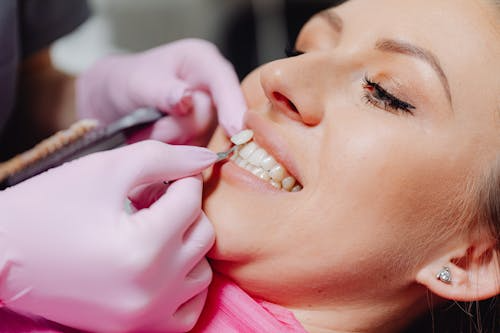
Modern whitening systems are designed to reduce the risk of post-treatment sensitivity. Dentists use professional-grade gels and take-home trays customised for each patient, allowing controlled and safe results over time.
Veneers and Bonding for Subtle Improvements
For chipped, uneven, or discoloured teeth, veneers and bonding are popular options. Today’s approach avoids over-preparing the tooth. Thin veneers and minimal shaping preserve the original tooth while still achieving a clean, well-aligned appearance.
Orthodontic Care Without Traditional Braces
Straightening teeth used to mean wearing noticeable metal brackets and wires. Now, modern dental care offers alternatives that are easier to manage and less disruptive.
Clear Aligners for All Ages
Clear aligner systems are tailored for comfort and designed to fit seamlessly into daily life. Treatment plans are created from digital scans and adjusted as teeth move. Patients are informed at every stage, and the aligners can be removed for eating and cleaning.
Early Intervention for Young Patients
For younger patients, interceptive orthodontics offers solutions that guide jaw development and prevent more complex alignment issues later. These plans are discussed in detail with families, giving them clarity on the expected outcomes and timelines.
Addressing Dental Anxiety Through Environment and Support
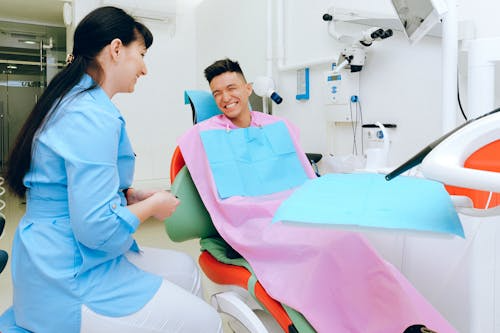
Comfort is not just physical. Many people avoid dental visits due to fear or anxiety. Modern dental care works to change that experience by offering a calm environment and supportive communication.
Calm Clinic Design
Many clinics are now designed with low-stimulation environments. Neutral colours, soft lighting, and relaxing sounds reduce stress while waiting or during procedures. Treatment rooms are set up to minimise the intimidating appearance of tools and equipment.
Options for Anxiety Management
Depending on the patient’s level of discomfort, dentists may offer sedation options or relaxation techniques. These are discussed transparently during consultation to ensure informed consent.
Emergency Dentistry Handled with Care
Unexpected dental issues can cause discomfort, concern, or disruption to daily life. Clinics offering modern dental care focus on fast, clear communication when managing dental emergencies.
Immediate Diagnosis and Relief
With same-day appointments or online booking systems, patients can often access emergency care more quickly. Digital tools such as intraoral cameras allow dentists to assess issues without causing further discomfort.
Focus on Repair, Not Just Relief
Whether it’s a cracked tooth, lost filling, or toothache, emergency care now aims to address the problem fully—not just relieve the pain. Dentists explain short-term and long-term solutions clearly, so patients understand their options and next steps.
Education for Ongoing Care at Home
Modern dental clinics also educate patients on how to care for their oral health outside of appointments. This focus on clarity and responsibility encourages better outcomes between visits.
Personalised Oral Hygiene Advice
Based on the patient’s habits and risks, dentists provide guidance on brushing, flossing, and using products like mouth rinses or interdental brushes. The advice is simple, specific, and aligned with each person’s goals.
Clear Follow-Up Plans
Instead of vague reminders, patients receive clear instructions on when to return and what to expect. Whether it’s a six-month clean or a follow-up after treatment, the communication is consistent and respectful of the patient’s schedule.
Frequently Asked Questions
Is modern dental care less painful than traditional treatments?
Yes. Advances in technology and technique have made most procedures quicker and more comfortable. Tools like ultrasonic cleaners, digital scanners, and precision lasers reduce discomfort and speed up healing.
How do I know what treatment is best for me?
A detailed consultation is the first step. Dentists now focus on patient education, explaining each option with visual support. You’ll receive a customised plan that outlines the process, outcomes, and cost, so you can make informed choices.
Can dental anxiety be managed without sedation?
Yes. Many patients benefit from calm clinic environments, clear explanations, and gradual exposure to treatment. For those who still need support, mild sedation or relaxation techniques can be discussed.
Conclusion
Modern dental care focused on comfort and clarity is built on thoughtful practices that place patients at the centre. Whether it’s preventive care, restorative treatment, cosmetic enhancements, or emergency support, the goal is to reduce anxiety, improve understanding, and make dental visits more accessible.
Clinics like Dentist Elwood represent a new standard where precision, transparency, and patient comfort come together. With careful communication, advanced tools, and an emphasis on natural outcomes, dental care is no longer something to avoid—it’s a process that supports health, wellbeing, and confidence for the long term.



Leave a Reply