
When it comes to maintaining oral health, many people seek dental treatments that are minimally invasive and preserve the natural structure of their teeth. As our understanding of dental science evolves, more treatments are being designed to focus on conservation rather than removal.
If you’re looking for a dentist for families in Elwood, you might be interested in these modern approaches that respect the natural tooth structure while offering effective solutions.
In this article, we’ll explore various dental treatments that aim to preserve the integrity of your natural teeth. From restorative procedures to cosmetic enhancements, the focus is on treatments that are gentle, effective, and designed to last.
The Importance of Preserving Natural Tooth Structure
The natural structure of your teeth is essential for maintaining oral health and function. Each tooth is made up of different layers, including enamel, dentin, and pulp, which work together to ensure the tooth functions properly. When a dentist performs a treatment that respects this structure, the goal is to address dental issues without compromising these layers.
Taking care to preserve the natural tooth structure is particularly important in preventing future dental complications. Treating cavities or damage without sacrificing healthy tissue helps prevent further wear, sensitivity, and the need for more extensive treatments down the line.
Restorative Dental Treatments That Preserve Tooth Structure
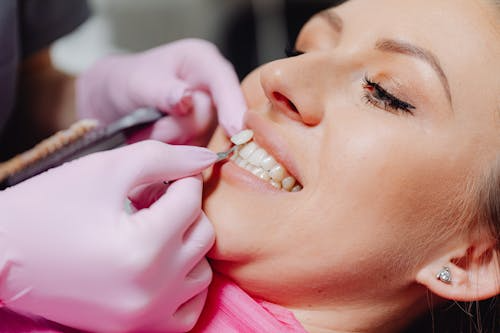
Tooth-Coloured Fillings
One of the most common restorative treatments used today are tooth-coloured fillings, which replace traditional metal amalgam fillings. These fillings are made of composite resins that are colour-matched to the natural shade of your teeth. The application of these fillings is less invasive than amalgam fillings, and they can be applied conservatively, meaning less tooth material is removed in the process.
Composite fillings bond directly to the tooth, providing additional strength to the natural structure. This ensures that the integrity of the tooth is maintained while restoring its function.
Dental Crowns with Conservative Preparation
Crowns are often used to restore teeth that have been significantly weakened by decay or damage. Traditionally, crowns required significant reduction of the tooth structure. However, modern techniques allow for more conservative preparations, preserving as much of the natural tooth as possible. This involves removing only the damaged or decayed portion of the tooth, while leaving the rest intact.
Materials such as porcelain and zirconia are commonly used for these crowns, as they are strong and offer excellent aesthetic results. These crowns are custom-made to fit over the remaining natural tooth, providing a seamless restoration that looks and feels like a natural tooth.
Inlays and Onlays
Inlays and onlays are a type of indirect restoration that is often used for teeth that have large cavities or structural damage. The key benefit of inlays and onlays is that they require minimal tooth preparation compared to full crowns. These restorations are made in a dental lab and are designed to fit perfectly within the contours of your natural tooth.
Inlays are typically used for cavities on the flat surfaces of the tooth, while onlays are used for more extensive damage, including the cusps. Both treatments are designed to preserve the natural structure while strengthening the tooth, making them a good option for those seeking long-lasting results.
Cosmetic Dental Treatments That Preserve Tooth Structure
Teeth Whitening
For many people, teeth whitening is an essential part of their cosmetic dental care routine. While teeth whitening treatments may not seem directly related to preserving tooth structure, they actually contribute to maintaining the natural beauty of your smile. By removing surface stains, teeth whitening helps prevent the need for more invasive procedures to cover discolouration.
Professional whitening treatments are designed to be safe and effective, using hydrogen peroxide or carbamide peroxide to break down stains without damaging the enamel. Unlike over-the-counter products, professional whitening ensures that the enamel is not compromised, allowing your teeth to remain healthy and strong.
Veneers
Veneers are thin shells of porcelain or composite resin that are placed over the front surface of teeth to improve their appearance. While traditional veneers required significant reduction of the natural tooth structure, modern techniques allow for minimal preparation veneers, which require less enamel removal.
Veneers are ideal for covering teeth that are chipped, discoloured, or misshapen. They provide an aesthetic improvement while respecting the underlying tooth structure. Because veneers are custom-made, they can be designed to match the natural contours of your teeth, ensuring a seamless, natural-looking result.
Bonding
Dental bonding is a simple and cost-effective cosmetic treatment that can correct minor imperfections, such as chips, cracks, and gaps. The procedure involves applying a tooth-coloured resin to the affected area, which is then shaped to match the natural contours of the tooth.
One of the benefits of bonding is that it typically requires little to no removal of the natural tooth structure. The resin bonds directly to the tooth, strengthening it and improving its appearance. Bonding is a great option for those looking for a quick, affordable, and minimally invasive solution to cosmetic dental issues.
Preventive Treatments That Help Preserve Natural Teeth
Sealants
Dental sealants are a preventive treatment designed to protect the teeth from decay. The procedure involves applying a thin coating of resin to the chewing surfaces of the back teeth, where cavities are most likely to form. Sealants help prevent food and bacteria from getting trapped in the grooves of the teeth, reducing the risk of decay.
Sealants are typically used for children and teenagers, but adults can also benefit from this treatment, particularly those with deep grooves in their teeth. The application of sealants is quick, painless, and minimally invasive, making it an excellent option for preserving the health of natural teeth.
Fluoride Treatments
Fluoride treatments are a common way to strengthen teeth and prevent cavities. Fluoride helps remineralise the enamel, making it more resistant to acid attacks and decay. While fluoride is often included in toothpaste, professional fluoride treatments provide a higher concentration of fluoride that can offer additional protection, especially for teeth that are at higher risk for decay.
Fluoride treatments are quick, non-invasive, and can be used in conjunction with other preventive measures, such as regular brushing and flossing, to maintain healthy teeth and gums.
The Benefits of Minimally Invasive Dentistry
Minimally invasive dentistry is a concept that focuses on preserving the natural structure of the tooth while still providing effective treatment. Many of the dental treatments discussed above are part of this movement, where the goal is to avoid excessive removal of tooth material, reduce discomfort, and speed up recovery times.
Some of the key benefits of minimally invasive dentistry include:
- Less discomfort: Because less tooth structure is removed, patients experience less pain and discomfort during and after treatment.
- Faster recovery: With less invasive procedures, patients generally heal faster, returning to their normal routines more quickly.
- Long-term preservation: Minimally invasive treatments help preserve the natural tooth, reducing the need for more extensive treatments in the future.
Frequently Asked Questions
What are the best dental treatments for preserving natural tooth structure?
The best treatments for preserving natural tooth structure include tooth-coloured fillings, inlays and onlays, and modern crowns that require minimal tooth reduction. These treatments help restore the tooth without compromising its integrity.
Are there any cosmetic treatments that do not require significant tooth removal?
Yes, treatments such as veneers, bonding, and professional teeth whitening can improve the appearance of your teeth with little to no removal of natural tooth structure.
How do preventive treatments help preserve my teeth?
Preventive treatments like dental sealants and fluoride treatments protect your teeth from decay and damage, helping to preserve their natural structure and function. Sealants form a protective barrier, while fluoride strengthens the enamel to make it more resistant to cavities.
Conclusion
Choosing dental treatments that respect the natural structure of your teeth not only ensures a more comfortable experience but also promotes long-term oral health. If you’re looking for a dentist for families in Elwood, consider discussing these options with your provider to find the most suitable treatments for preserving your natural teeth.




Leave a Reply