
When it comes to dental care, the key to long-lasting oral health lies in treatments that are delivered with care and precision. Whether you’re seeking cosmetic enhancements like dental veneers Elwood or restorative procedures to improve the function of your teeth, ensuring that the treatment is performed with the utmost attention to detail is essential for achieving the best results.
Dentistry today is not just about fixing problems as they arise, but also about delivering treatments that are tailored to your needs, prioritising comfort, and ensuring that each procedure is carried out with precision.
In this article, we will discuss the importance of dental treatments that are delivered with care and precision. We will explore various treatments, their benefits, and why precision is vital in achieving the desired outcomes, from preventive care to complex procedures.
The Importance of Care and Precision in Dental Treatments

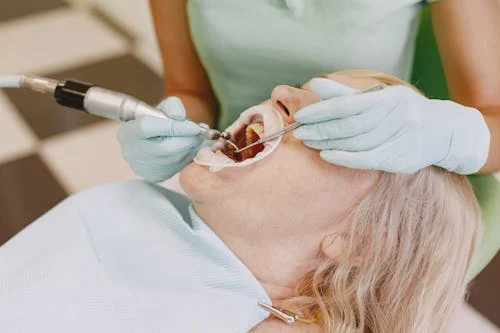
Dental treatments that are executed with care and precision ensure optimal results while prioritising patient comfort. The level of expertise and attention to detail in each procedure can make a significant difference in the quality of the outcome and the overall experience.
Preventive Treatments Delivered with Care and Precision
Preventive care is the first line of defence against dental issues. Treatments designed to prevent problems before they arise are essential for maintaining good oral health. The focus of preventive dental treatments is on long-term wellness, with an emphasis on early detection and intervention.
Routine Check-ups and Professional Cleanings
Regular dental check-ups and cleanings are fundamental components of preventive care. These visits allow your dentist to identify any signs of early dental issues and intervene before they develop into more serious problems. Professional cleanings remove plaque and tartar buildup that regular brushing cannot fully address.
The Role of Precision in Preventive Care
During a routine check-up, your dentist uses careful examination and diagnostic tools, such as X-rays, to check for hidden problems like cavities, gum disease, or structural issues. These evaluations, combined with a detailed cleaning, ensure that your teeth and gums remain healthy and that early signs of potential issues are caught before they worsen.
Fluoride Treatments and Sealants
Fluoride treatments and dental sealants are common preventive procedures designed to protect the teeth from decay. Fluoride strengthens tooth enamel, making it more resistant to decay, while sealants protect the grooves and crevices of your back teeth from plaque buildup.
Why Precision Matters in Preventive Procedures
Both fluoride treatments and sealants require a high degree of precision to ensure that the correct areas are treated. Fluoride application must be carefully managed to avoid overuse, while sealants need to be placed accurately to cover the full chewing surface without interfering with the bite.
Restorative Dental Treatments Delivered with Precision
Restorative treatments aim to restore the function and appearance of damaged or decayed teeth. Precision is critical in these procedures to ensure that the restored tooth functions as intended and blends seamlessly with the surrounding teeth.
Fillings and Crowns for Damaged Teeth
When a tooth is damaged by decay or injury, fillings or crowns are often used to restore its structure. Fillings are used to fill cavities caused by decay, while crowns are placed over severely damaged teeth to restore their shape, strength, and appearance.
The Role of Precision in Restorative Dentistry
For fillings, the dentist must carefully remove decayed tissue and precisely place the filling material to ensure the tooth’s function is fully restored. Crowns require even more precision, as they need to fit snugly over the remaining tooth structure to ensure the tooth remains stable and functional for years.
Root Canal Treatments
When decay reaches the tooth’s pulp, a root canal may be necessary to save the tooth. This procedure involves removing the infected pulp, cleaning the root canal, and sealing it to prevent further infection. Afterward, a crown is typically placed to protect the tooth.
Precision in Root Canal Treatment
Root canal treatments require careful attention to detail, as the dentist must ensure that the infection is fully removed and that the canal is thoroughly cleaned and sealed. The procedure must be done with great care to prevent any residual infection from spreading.
Cosmetic Dentistry: Delivering Beauty with Care and Precision
Cosmetic dentistry focuses on improving the appearance of your teeth, whether you’re looking to enhance your smile or address imperfections. Procedures such as dental veneers, teeth whitening, and bonding are commonly used to create a beautiful, natural-looking smile.
Dental Veneers for a Perfect Smile
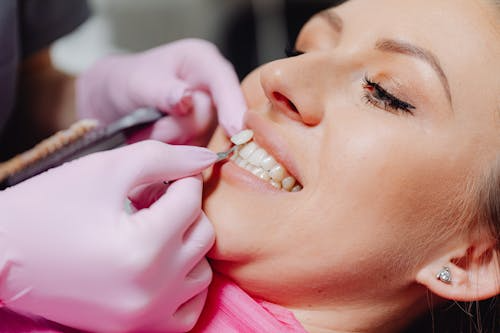
Dental veneers Elwood are thin shells of porcelain or composite resin that cover the front of your teeth to improve their appearance. Veneers are used to correct a variety of cosmetic issues, such as stains, chips, or gaps between teeth. They provide a quick and effective way to enhance your smile.
Why Precision is Key for Veneers
Veneers require precise measurements and custom crafting to ensure they fit perfectly and blend seamlessly with your natural teeth. The dentist must take careful impressions of your teeth to create veneers that will provide a natural-looking result. Precision is also necessary when bonding the veneers to the teeth to ensure durability and a perfect fit.
Teeth Whitening
Teeth whitening is one of the most popular cosmetic dental procedures for enhancing the brightness of your smile. In-office whitening treatments, like in-chair whitening Elwood, use professional-grade products to lighten teeth and remove stains. These treatments are effective and provide faster results compared to over-the-counter products.
The Importance of Precision in Whitening
When it comes to in-office whitening, precision is essential for achieving even and consistent results. The dentist must carefully protect the gums and surrounding areas while ensuring the whitening gel is applied evenly to the teeth. This helps to avoid uneven whitening or irritation to the soft tissues of the mouth.
Bonding and Contouring for Minor Imperfections
Bonding and contouring are cosmetic procedures used to correct minor imperfections in the teeth, such as chips, gaps, or uneven edges. Bonding involves applying a tooth-coloured resin to the teeth, while contouring reshapes the teeth to improve their appearance.
Careful Application for a Natural Result
Both bonding and contouring require a high degree of precision to ensure that the results are natural and well-balanced. The dentist must carefully sculpt the resin or reshape the tooth to enhance its appearance while maintaining its function.
The Role of Technology in Dental Precision
In modern dentistry, technology plays a vital role in ensuring that treatments are delivered with accuracy and efficiency. Advances in diagnostic tools, 3D imaging, and digital impressions have revolutionised the way dental professionals approach care.
Digital Impressions and 3D Imaging
Digital impressions provide a more accurate, comfortable, and efficient way to capture the shape of your teeth and gums. Unlike traditional impressions, which can be uncomfortable and messy, digital impressions are quick and provide precise measurements for procedures like crowns, bridges, and veneers.
How Technology Enhances Precision
With 3D imaging, dentists can plan complex procedures with great accuracy, ensuring that crowns, implants, or veneers fit perfectly. This technology also allows dentists to visualise the entire mouth and detect any underlying issues that may not be visible to the naked eye.
Maintaining Precision in Aftercare
The success of a dental treatment doesn’t just depend on the procedure itself but also on how well the patient follows aftercare instructions. Proper aftercare ensures that treatments remain effective and that recovery is swift.
Post-Treatment Care for Restorative Procedures
After restorative treatments such as fillings or crowns, it’s essential to follow the dentist’s instructions on diet, oral hygiene, and activity. This ensures that the restoration stays intact and functions properly.
Aftercare for Cosmetic Procedures
For cosmetic treatments such as whitening or veneers, aftercare is just as important. Avoiding certain foods, beverages, and habits, such as smoking, can help maintain the results and ensure the longevity of the treatment.
Frequently Asked Questions
How long do dental veneers last?
Dental veneers typically last between 10 to 15 years with proper care. Their longevity depends on factors such as oral hygiene, diet, and whether the patient grinds their teeth.
Is teeth whitening safe for my teeth?
Yes, in-office treatments like in-chair whitening Elwood are safe when performed by a qualified dentist. The procedure is monitored to ensure that the teeth are whitened evenly and that the gums are protected.
What is the difference between in-office and at-home whitening?
In-office whitening provides immediate results with professional-grade products and is performed under the supervision of a dentist. At-home whitening kits, on the other hand, are typically less potent and take longer to show results. Both options can be effective, but in-office treatments provide quicker and more consistent outcomes.
Conclusion
Dental treatments delivered with care and precision are key to achieving optimal oral health and a beautiful smile. Whether you’re seeking preventive care, restorative treatments, or cosmetic enhancements like dental veneers Elwood, the precision with which these procedures are performed directly impacts the quality and longevity of the results.
By prioritising care and precision, you can ensure that your smile remains functional, healthy, and aesthetically pleasing for years to come.




Leave a Reply