
Laser hair removal has become one of the most sought-after aesthetic procedures worldwide. With the promise of long-term hair reduction, smoother skin, and freedom from constant shaving or waxing, it is easy to see why so many individuals consider this treatment.
However, while the procedure is widely available and generally safe when performed correctly, there are important details that many people only learn after starting their sessions.
This comprehensive guide explains what Laser Hair Removal truly involves and answers the important question: What I wish I knew before laser hair removal? By exploring preparation, expectations, safety considerations, skin types, treatment timelines, costs, and long-term results, this article provides the clarity needed to make an informed decision.
Understanding How Laser Hair Removal Works
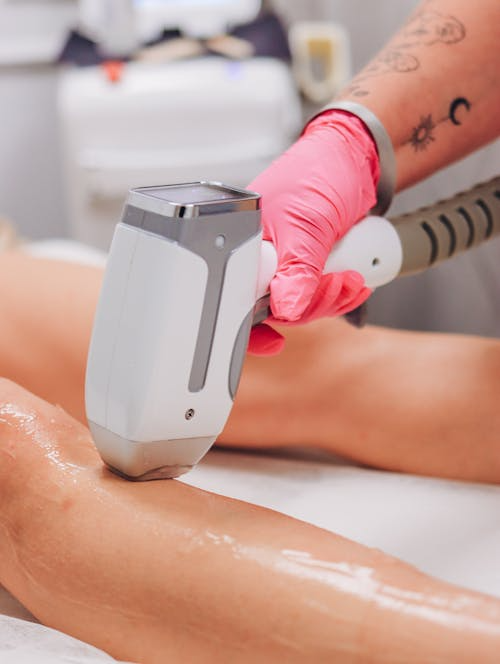
Laser hair removal is a medical-grade cosmetic procedure that uses concentrated light energy to target hair follicles. The laser emits a specific wavelength of light that is absorbed by melanin, the pigment in the hair. Once absorbed, the light converts to heat, which damages the hair follicle and reduces its ability to regrow hair.
The key principle behind laser hair removal is selective photothermolysis. This means the laser is designed to target pigmented hair while minimising damage to surrounding skin. Because the treatment focuses on the hair follicle during its active growth phase, multiple sessions are required to achieve optimal results.
Laser hair removal does not typically eliminate all hair permanently in a single session. Instead, it provides long-term hair reduction. Hair grows in cycles, and only follicles in the active growth phase respond effectively to treatment. Understanding this biological process is essential before beginning treatment.
The Hair Growth Cycle and Why It Matters
Hair growth occurs in three primary phases: anagen, catagen, and telogen. The anagen phase is the active growth stage, during which the hair is attached to the follicle and contains the highest concentration of melanin. Laser treatment is most effective during this phase.
Not all hairs are in the same growth phase at the same time. This is why treatments are spaced several weeks apart. Each session targets a new group of hairs entering the active growth stage. One of the most common misconceptions is expecting immediate smoothness after one appointment. In reality, consistent sessions are necessary for noticeable and lasting results.
What I Wish I Knew Before Laser Hair Removal
Many individuals begin laser hair removal expecting instant, permanent hair removal. While the procedure offers long-term reduction, it requires patience and realistic expectations. One of the most important things to understand is that it is a process rather than a one-time solution.
You may wish you knew that results vary based on skin tone, hair colour, hormonal factors, and treatment area. Dark hair on lighter skin often responds best due to contrast in pigment. Advances in technology have improved outcomes for a wider range of skin tones, but not all lasers are equally effective for every individual.
It is also important to know that maintenance sessions may be required even after completing a full treatment cycle. Hormonal changes, genetics, and other factors can stimulate new hair growth over time.
Expectations Versus Reality
Laser hair removal significantly reduces hair growth, but complete and permanent removal is not guaranteed. Some hairs may grow back finer and lighter rather than disappearing entirely.
Another point many wish they knew is that shedding occurs after treatment. The treated hair does not fall out immediately. It may take one to two weeks for the hair to shed naturally. Being aware of these factors helps prevent disappointment and ensures a more positive experience.
Preparing for Laser Hair Removal
Proper preparation is essential for safe and effective results. One critical step is avoiding sun exposure before and after treatment. Tanned skin increases the risk of pigmentation changes and burns.
Shaving the treatment area 24 hours before the session is typically recommended. Waxing, plucking, or threading should be avoided for several weeks beforehand because the hair follicle must remain intact for the laser to target it.
Certain skincare products, especially those containing retinoids or exfoliating acids, may need to be paused before treatment. A professional consultation will guide these adjustments.
Consultation and Skin Assessment
A thorough consultation is not optional; it is essential. During this appointment, the practitioner evaluates skin type, hair colour, medical history, and potential contraindications.
This is also the time to discuss expectations, the number of sessions required, potential side effects, and costs. A patch test may be performed to assess skin response. Understanding your candidacy and individualised plan helps ensure safety and effectiveness.
Pain and Comfort During Treatment
One concern many people have is whether laser hair removal is painful. Sensation varies depending on the individual and treatment area. Most describe it as a snapping or tingling feeling similar to a rubber band against the skin.
Modern devices often include cooling systems to enhance comfort. Topical numbing creams may be applied if necessary. Pain tolerance differs, but most individuals find the discomfort manageable and brief.
Areas That May Feel More Sensitive
Certain areas, such as the bikini line or upper li,p may feel more sensitive due to thinner skin and higher nerve density. Larger areas like the legs may feel less intense but require longer treatment time. Open communication with the practitioner ensures comfort adjustments can be made.
Number of Sessions Required
Laser hair removal requires multiple sessions for optimal results. Most individuals need between six and eight treatments spaced four to eight weeks apart. The exact number depends on hair density, growth cycle, hormonal influences, and treatment area. Consistency is key. Skipping sessions may reduce effectiveness and prolong the overall process.
Why Maintenance Sessions May Be Necessary
Even after completing a full course, occasional maintenance sessions may be needed. Hormonal fluctuations, particularly in areas like the face, can stimulate new growth. Maintenance treatments are usually less frequent and require fewer sessions than the initial cycle.
Potential Side Effects and Risks
Laser hair removal is generally safe when performed by trained professionals. However, like any cosmetic procedure, it carries potential risks. Temporary redness, mild swelling, and sensitivity are common immediately after treatment. These effects usually subside within hours or days. Rare side effects may include pigmentation changes, blistering, or scarring, particularly if performed improperly or on recently tanned skin.
Choosing a Qualified Provider
Selecting a qualified and experienced practitioner significantly reduces risks. Medical supervision, proper equipment, and adherence to safety protocols are essential. Do not prioritise cost over expertise. The quality of the provider directly impacts both safety and results.
Skin Types and Hair Colours
Laser hair removal works best on dark hair because the laser targets melanin. Lighter hair colors such as blonde, grey, or red, may not respond as effectively. Advancements in laser technology have improved treatment options for darker skin tones. Specialised lasers can minimize risks of hyperpigmentation. A personalised consultation determines the most suitable device and settings.
Technology Matters
Not all laser systems are the same. Devices vary in wavelength and suitability for different skin tones. Modern systems offer greater precision and safety across diverse skin types. Asking about the type of laser used provides valuable insight into expected results.
Cost Considerations
Laser hair removal is an investment. While the upfront cost may seem high compared to shaving or waxing, long-term savings are significant. Costs vary depending on treatment area size, clinic location, and number of sessions required. Understanding the full treatment plan and associated expenses prevents financial surprises.
Comparing Long-Term Value
Over time, reduced spending on razors, waxing appointments, and depilatory products can offset the cost of laser treatments. Evaluating long-term convenience and confidence often justifies the initial investment.
Aftercare and Recovery
Post-treatment care is straightforward but essential. Avoid sun exposure and apply sunscreen to protect treated areas. Refrain from hot baths, saunas, or intense exercise for 24 to 48 hours. Gentle skincare products should be used to avoid irritation. Proper aftercare supports healing and maximises results.
Supporting Skin Health After Treatment
Hydration and mild moisturisers help soothe the skin. Avoid exfoliation for several days. Following professional instructions reduces the risk of complications.
Long-Term Results and Benefits
Laser hair removal offers lasting smoothness and reduced hair growth. Many individuals experience finer, lighter regrowth after completing sessions. Beyond aesthetics, it can reduce ingrown hairs and skin irritation associated with shaving or waxing. The convenience and time saved contribute to overall satisfaction.
Psychological and Lifestyle Benefits
Reduced grooming time enhances daily routines. Increased confidence and comfort in clothing choices are common benefits. The convenience factor often becomes one of the most appreciated outcomes.
Frequently Asked Questions
What I wish I knew before laser hair removal?
Many people wish they knew that multiple sessions are required, results vary by hair and skin type, and maintenance treatments may be necessary for long-term reduction.
Is laser hair removal permanent?
Laser hair removal provides long-term hair reduction, but complete permanent removal is not guaranteed. Some maintenance sessions may be needed.
Is laser hair removal safe for all skin types?
Modern laser technology can treat a wide range of skin tones safely when performed by trained professionals using appropriate devices.
Conclusion
Laser hair removal is a scientifically advanced solution for long-term hair reduction. Understanding how it works, what to expect, and how to prepare ensures a more satisfying experience.
By knowing what many wish they understood before beginning treatment, you can approach laser hair removal with realistic expectations and confidence. With proper consultation, professional expertise, and consistent sessions, smoother skin and greater convenience are achievable outcomes.







Leave a Reply