
Events are meaningful occasions that bring people together for celebration, collaboration, or commemoration. Whether it is a wedding reception, corporate seminar, birthday party, fundraising dinner, or professional conference, the venue plays a crucial role in shaping the overall experience.
The design, layout, and atmosphere of a venue influence how guests interact, how activities unfold, and how memorable the event becomes.
Among the many venue options available today, function rooms and banquet halls are two of the most commonly chosen spaces for hosting events. Although these terms are often used interchangeably, they actually refer to different types of venues with distinct characteristics and purposes.
Understanding these differences is important for event planners, businesses, and individuals who want to select the most appropriate location for their gathering.
Function rooms are widely known for their flexibility and adaptability. They are designed to accommodate a wide range of events and can easily be rearranged to suit different layouts, activities, and group sizes. Banquet halls, on the other hand, are typically associated with formal dining events and large celebrations where meals and entertainment are central to the occasion.
This article explores the role of Function Rooms for Events while explaining the key differences between function halls and banquet halls. By examining their design, purpose, and typical uses, readers can gain a clearer understanding of which venue type best suits different events.
Understanding Function Rooms for Events
Function rooms are versatile spaces designed to host a wide variety of events. These venues are commonly found in hotels, conference centres, restaurants, and dedicated event facilities. The main advantage of a function room is its adaptability. Unlike venues designed for a single purpose, function rooms can be rearranged to accommodate different types of gatherings.
Event planners often choose function rooms because they can easily be customised according to the needs of the event. Tables and chairs can be rearranged into different layouts, stages and presentation screens can be installed, and decorations can transform the space to match a specific theme.
Function rooms are suitable for both professional and social occasions. Businesses frequently use them for meetings, training sessions, workshops, and corporate presentations. At the same time, individuals may book function rooms for birthdays, engagement parties, anniversary celebrations, or community gatherings.
Flexibility that supports diverse events
One of the most important qualities of a function room is its ability to adapt to different setups. A single room can host a formal seminar during the day and later transform into a reception area for an evening celebration. This flexibility makes function rooms highly practical for venues that serve a variety of clients.
Modern function rooms are also equipped with features that support different event formats. Audio-visual systems, adjustable lighting, portable stages, and modular furniture allow organisers to modify the environment according to the purpose of the event.
Because of this versatility, function rooms are widely used across the event industry and are considered one of the most practical venue options available.
Understanding Banquet Halls and Their Purpose
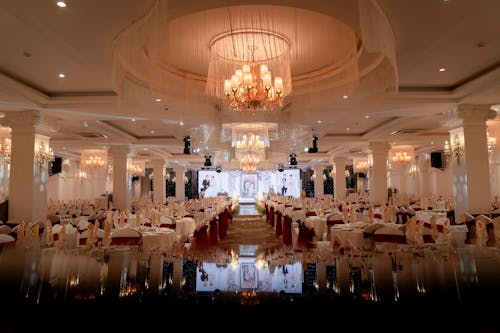
Banquet halls are venues specifically designed for formal dining events and large-scale celebrations. These spaces are typically associated with weddings, gala dinners, award ceremonies, and other occasions where food service plays a central role.
A banquet hall is usually larger than a standard function room and is designed to accommodate a significant number of guests seated at tables. The layout often includes round banquet tables, decorative centrepieces, and a stage or dance floor.
The atmosphere of a banquet hall is generally more formal and celebratory. These venues often feature elegant décor, chandeliers, decorative ceilings, and spacious layouts that create an impressive setting for large gatherings.
Dining and celebration are the focal points
In banquet halls, the dining experience is often the centrepiece of the event. Guests gather around tables to enjoy meals while participating in speeches, entertainment, or ceremonial activities.
Because of this focus on dining, banquet halls are usually supported by extensive catering facilities. Many venues include commercial kitchens, professional catering teams, and experienced service staff who ensure that meals are delivered efficiently.
Banquet halls are designed to create a sense of grandeur and festivity, making them ideal for large celebrations where hospitality and atmosphere are key priorities.
Key Differences Between Function Rooms and Banquet Halls
Although function rooms and banquet halls may appear similar at first glance, they differ in several important ways. These differences relate to the design, capacity, layout flexibility, and overall purpose of the space.
Understanding these distinctions helps event planners select venues that align with the specific goals of their event.
Design and architectural layout
One of the most noticeable differences between the two venue types lies in their design. Function rooms are typically designed to be neutral and adaptable. Their interiors often feature simple décor that can easily be modified with decorations, lighting, or themed arrangements.
Banquet halls, by contrast, are usually designed with a more permanent decorative style. Architectural features such as chandeliers, decorative ceilings, and elegant wall finishes contribute to a luxurious atmosphere that complements formal events.
Because banquet halls are intended for celebratory occasions, their design often emphasises visual grandeur.
Differences in Event Capacity
Another significant difference between function rooms and banquet halls is their capacity. Banquet halls are generally larger and capable of hosting hundreds of guests at once.
Function rooms vary greatly in size. Some are designed for small meetings with fewer than twenty participants, while others can accommodate medium-sized gatherings. Larger venues may include multiple function rooms that can be combined to create a larger event space.
Scale of gatherings and guest experience
The size of the venue influences the type of event it can support. Banquet halls are well-suited for large weddings, charity galas, and formal dinners where many guests are expected.
Function rooms, on the other hand, are often used for smaller or more flexible events such as business meetings, workshops, networking sessions, or private celebrations.
By understanding the scale of the event, planners can determine whether a banquet hall or a function room is the most suitable choice.
Differences in Event Atmosphere
Atmosphere is another factor that distinguishes function rooms from banquet halls. Each venue type creates a different mood that affects the overall experience of guests.
Function rooms tend to have a professional and adaptable atmosphere. Because they host a wide variety of events, their design is often neutral and practical.
Banquet halls usually emphasise elegance and celebration. Their décor, lighting, and layout create a sense of occasion that suits formal gatherings and festive events.
Balancing formality and versatility
Event planners often choose function rooms when flexibility and practicality are the primary priorities. These spaces can easily accommodate presentations, discussions, training sessions, or social gatherings.
Banquet halls are typically selected when the event requires a sense of grandeur and formality. Weddings, award ceremonies, and gala dinners benefit from the elegant atmosphere these venues provide.
Types of Events Best Suited for Function Rooms
Function rooms are used for a wide range of events because of their adaptable nature. They are especially popular for business-related gatherings and smaller social occasions.
Corporate meetings are among the most common events hosted in function rooms. Companies use these spaces for board meetings, training sessions, product presentations, and networking events.
Workshops and seminars also benefit from the layout flexibility of function rooms. Tables and seating arrangements can be adjusted to support group discussions, presentations, or hands-on activities.
Private celebrations and community gatherings
In addition to corporate events, function rooms are frequently used for personal celebrations. Birthdays, engagement parties, and family reunions can be comfortably hosted in these spaces.
Community organisations also rely on function rooms for meetings, educational programs, and social gatherings. The adaptable layout allows organisers to create environments that encourage participation and collaboration.
Types of Events Best Suited for Banquet Halls
Banquet halls are typically chosen for events where dining and celebration are central to the experience. Their spacious layouts and elegant décor make them ideal for large-scale gatherings.
Weddings are perhaps the most common events held in banquet halls. These venues provide enough space for dining tables, dance floors, entertainment stages, and decorative arrangements.
Gala dinners and fundraising events also benefit from banquet hall settings. The formal atmosphere enhances the prestige of the occasion and creates a memorable environment for guests.
Grand celebrations and ceremonial events
Award ceremonies, anniversary celebrations, and large cultural gatherings are often hosted in banquet halls as well. The combination of spacious seating and decorative design supports events that involve speeches, entertainment, and formal dining.
Because banquet halls are designed to accommodate large audiences, they are well-suited for events where many guests gather to celebrate a special occasion.
The Role of Venue Services in Event Success
Both function rooms and banquet halls rely on professional services to ensure successful events. Venue staff play an important role in supporting organisers and managing logistical details.
Event coordinators help plan room layouts, schedule activities, and coordinate with catering teams. Technical staff manage audio-visual equipment, lighting, and presentation systems.
Hospitality and guest satisfaction
Hospitality services are particularly important in banquet halls, where food service is a major component of the event. Catering teams prepare and serve meals while ensuring that guests enjoy a seamless dining experience.
Function rooms may also offer catering options, but the level of food service can vary depending on the type of event. Some gatherings may require full meals, while others may only include refreshments or snacks.
In both cases, professional venue services contribute to a smooth and enjoyable event experience.
Choosing the Right Venue for Your Event
Selecting the appropriate venue is one of the most important decisions in event planning. The choice between a function room and a banquet hall depends on several factors, including the purpose of the event, the number of guests, and the desired atmosphere.
Event organisers should consider how guests will interact during the event and what type of environment best supports the planned activities.
Aligning venue features with event goals
If the event involves presentations, workshops, or professional discussions, a function room is often the most practical choice. Its adaptable layout and professional atmosphere support productive gatherings.
If the event focuses on celebration, dining, and entertainment, a banquet hall may be more suitable. Its elegant design and spacious layout create a festive environment that enhances special occasions.
By carefully evaluating these factors, planners can choose a venue that aligns with their event goals and provides the best possible experience for guests.
Frequently Asked Questions
What is the difference between a function hall and a banquet hall?
A function hall is a versatile event space designed to host various types of gatherings, including meetings, workshops, and social events. A banquet hall is typically larger and primarily designed for formal dining events such as weddings and gala dinners.
Which venue is better for corporate events?
Function rooms are generally better suited for corporate events because they offer flexible layouts that support presentations, meetings, and collaborative activities.
Can banquet halls be used for non-dining events?
Yes, banquet halls can host other events, but they are primarily designed for large celebrations and dining-focused gatherings.
Conclusion
Function rooms and banquet halls both play important roles in the event industry, offering spaces where people can gather to celebrate, collaborate, and connect. While they may appear similar at first, each venue type serves a different purpose and creates a unique atmosphere for events.
Function rooms are valued for their flexibility and practicality, making them ideal for professional gatherings, workshops, and smaller social events. Banquet halls, on the other hand, provide elegant environments designed for grand celebrations and formal dining occasions.
Understanding the difference between these two venue types allows event planners to make informed decisions that align with the goals of their gathering. By selecting the right space, organisers can create memorable experiences that leave lasting impressions on their guests.









Leave a Reply