
Australia’s trades and mobile industries have always relied on vehicles that can endure punishing conditions while carrying the tools of the job. From electricians travelling between metro construction sites to mining contractors navigating remote terrain, a well-equipped ute is no longer just transport — it has become a fully operational workspace.
Businesses are increasingly recognising that efficiency on the road directly affects productivity, safety, and profitability.
Modern work vehicles are evolving rapidly. What once involved little more than a steel tray and toolbox has transformed into sophisticated systems featuring integrated storage, electrical components, safety enhancements, and workflow-focused layouts. Every profession now demands something different from a vehicle setup, making tailored solutions more valuable than ever before.
Custom vehicle fitouts have emerged as one of the most effective ways for businesses and independent tradespeople to optimise their daily operations. Instead of adapting to a generic vehicle arrangement, workers can customise every aspect of the setup to suit their trade, equipment, and working environment.
The result is improved organisation, safer transport of tools, and greater operational efficiency across every job.
As Australian industries continue to evolve, vehicle functionality has become a competitive advantage. Companies investing in intelligent fitouts are not simply improving storage space — they are building mobile systems designed to reduce downtime, protect expensive equipment, and create a more professional image on the road.
Why Custom Ute Fitouts Have Become Essential for Australian Trades
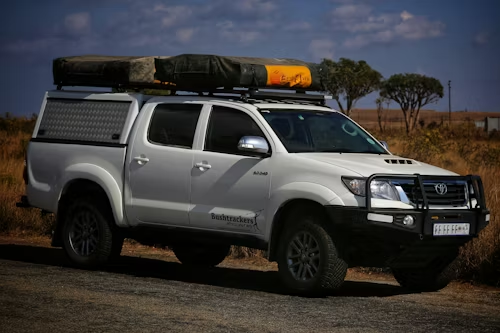
Australia’s workforce relies heavily on mobility. Tradespeople, field technicians, agricultural contractors, and emergency response crews spend substantial time travelling between sites, often carrying specialised tools and sensitive equipment. Standard vehicle interiors rarely provide the level of organisation needed to support these demanding environments.
A professionally designed fitout creates a structured workspace where every item has a designated position. This eliminates wasted time searching for tools, minimises clutter, and reduces the likelihood of equipment damage during transit. In industries where minutes matter, streamlined access can significantly improve daily productivity.
Another major factor driving demand is workplace safety. Loose equipment inside a vehicle presents serious hazards during sudden braking or collisions. Secure storage systems, partitioning, and anchored compartments dramatically reduce risks while ensuring compliance with Australian safety standards.
Employers are increasingly prioritising these measures to protect workers and minimise liability.
A professional presentation also plays an important role. Clients often judge businesses by the condition and organisation of their service vehicles. A clean, efficient, and purpose-built fitout reflects reliability and professionalism, helping companies strengthen customer trust before work even begins.
The Shift from Generic Storage to Workflow Design
Traditional ute setups focused primarily on carrying capacity. Today’s fitouts prioritise workflow optimisation. This means designing vehicle interiors around how workers move, access tools, and perform tasks throughout the day.
For example, electricians may require rapid access to testing devices and cable storage, while plumbers often prioritise pipe racks and compartmentalised fittings storage. By analysing work routines, fitout specialists can create layouts that reduce repetitive movement and increase efficiency.
This workflow-centred approach also supports worker wellbeing. Constant bending, lifting, and awkward access to equipment contribute to fatigue and injuries over time. Ergonomic storage positioning can significantly reduce physical strain and improve comfort during long working hours.
Supporting Remote and Regional Operations
Australian conditions often place extraordinary demands on work vehicles. Remote travel, corrugated roads, extreme temperatures, and dust exposure require fitouts built for durability. Heavy-duty materials such as aluminium and reinforced steel are commonly used to ensure systems withstand harsh environments.
Regional operators particularly benefit from customised configurations that include water storage, refrigeration systems, solar charging, or auxiliary power supplies. These additions transform utes into self-sufficient mobile workstations capable of supporting extended field operations without sacrificing efficiency.
The Most Valuable Features in Modern Vehicle Fitouts
As vehicle technology advances, fitout systems are becoming increasingly sophisticated. Businesses now seek integrated solutions that improve functionality while maintaining vehicle performance and fuel efficiency.
Storage remains the cornerstone of any effective fitout, but the methods used have evolved considerably. Drawer systems, modular shelving, lockable compartments, and vertical storage designs help maximise usable space without overloading the vehicle.
Electrical integration is another rapidly growing area. Many professionals rely on battery-powered tools, mobile devices, refrigeration units, and lighting systems throughout the workday. Integrated dual-battery systems and inverter setups allow workers to charge and operate equipment directly from the vehicle.
Smart Storage Systems
Modern storage systems are designed to combine accessibility with durability. Heavy-duty drawer units can support substantial weight while providing smooth operation even in rugged conditions. Lockable systems also improve security for expensive tools and specialised equipment.
Vertical storage solutions are particularly valuable in dual-cab utes where tray space may be limited. By utilising height efficiently, workers can carry more equipment without compromising manoeuvrability or visibility.
Integrated Power Solutions
Power management has become essential for mobile workforces. Auxiliary batteries, solar panels, and onboard charging stations allow vehicles to support tools and devices without draining the primary battery.
Some fitouts now include integrated lighting systems for night work, enabling safer operation in low-visibility environments. LED strip lighting within storage compartments also improves accessibility and reduces delays during early morning or evening jobs.
Weather Protection and Durability
Australia’s climate can be unforgiving. Dust, rain, UV exposure, and extreme heat all affect tool longevity and vehicle performance. Canopies with weather-sealed compartments protect valuable equipment while maintaining organised storage.
Powder-coated finishes and corrosion-resistant materials further extend the lifespan of fitout systems. This durability is especially important for industries operating near coastal regions, where salt exposure accelerates wear and corrosion.
Industry-Specific Vehicle Fitouts Are Changing the Game
Every trade operates differently, which means a one-size-fits-all solution rarely delivers optimal results. Tailored fitouts allow businesses to address industry-specific challenges while improving operational flow.
Electricians often require cable management systems, secure testing equipment storage, and dedicated compartments for small parts. Plumbing businesses may prioritise pipe transportation, water-resistant storage, and accessible fittings organisation.
Mining and construction sectors frequently need heavy-duty systems capable of surviving rugged terrain and harsh site conditions. Agricultural operators, meanwhile, may require refrigeration, chemical storage, and towing support integrated into the setup.
Mobile Workshops for Tradespeople
Many tradespeople now treat their vehicles as complete mobile workshops. Fold-out benches, integrated vice mounts, compressor systems, and onboard power supplies enable workers to complete repairs directly on-site without returning to a depot.
This capability dramatically improves response times and allows businesses to service more clients throughout the day. Reduced downtime also lowers operational costs and fuel consumption over time.
Fleet Fitouts for Corporate Operations
Larger businesses increasingly invest in standardised fleet fitouts to ensure consistency across teams. Uniform layouts improve efficiency because workers can move between vehicles without adjusting to different storage systems.
Fleet-wide standardisation also simplifies inventory management and maintenance procedures. Companies can ensure all essential equipment is stored consistently, reducing missing tools and improving accountability.
Recreational and Lifestyle Adaptations
While work-focused fitouts dominate the market, lifestyle-oriented configurations are also growing in popularity. Adventure enthusiasts are transforming utes into touring vehicles equipped with rooftop tents, slide-out kitchens, refrigeration systems, and water storage.
These recreational fitouts reflect the versatility of modern vehicle modification. The same design principles that improve work efficiency can also enhance travel comfort and off-grid capability.
Choosing the Right Fitout for Long-Term Performance
Selecting the ideal fitout requires careful planning. A poorly designed setup may reduce efficiency, increase vehicle wear, or limit future adaptability. Businesses should begin by analysing daily workflows, storage requirements, and operating environments before investing in modifications.
Weight distribution is one of the most important considerations. Excessive or uneven weight can negatively affect handling, fuel economy, and suspension performance. Professional fitout providers carefully balance storage systems to maintain vehicle safety and compliance.
Scalability is another important factor. As businesses grow, equipment needs often change. Modular systems provide flexibility by allowing additional storage or upgraded components to be integrated later without replacing the entire setup.
Material Selection Matters
Fitout durability largely depends on material quality. Aluminium has become increasingly popular because it offers excellent strength while remaining lightweight. Steel, while heavier, provides superior durability for demanding industrial environments.
Composite materials are also entering the market, offering corrosion resistance and modern aesthetics. Selecting the right material depends heavily on industry requirements and environmental exposure.
Balancing Cost with Long-Term Value
Although high-quality fitouts involve significant upfront investment, they often deliver substantial long-term savings. Improved organisation reduces time wastage, while durable storage systems minimise tool damage and replacement costs.
Efficient layouts can also reduce worker fatigue and improve productivity, providing measurable operational benefits over time. Businesses that view fitouts as strategic investments rather than simple accessories typically achieve stronger long-term returns.
Working with Experienced Fitout Specialists
Professional expertise plays a crucial role in achieving effective results. Experienced fitout providers understand Australian compliance standards, weight regulations, and trade-specific operational needs.
Custom fabrication also ensures maximum space utilisation. Rather than relying on generic systems, specialists can create layouts tailored precisely to vehicle dimensions and workflow requirements.
The Future of Custom Vehicle Fitouts in Australia
Technology is rapidly influencing the next generation of fitouts. Smart systems capable of tracking tool inventory, monitoring battery usage, and integrating with fleet management software are becoming increasingly common.
Automation may soon play a larger role as well. Electrically operated drawers, remote-locking storage systems, and integrated digital controls are already appearing in premium commercial fitouts. These innovations improve convenience while enhancing security and operational control.
Sustainability is another emerging priority. Lightweight materials, solar charging systems, and energy-efficient electrical designs help reduce fuel consumption and environmental impact. As businesses become more environmentally conscious, eco-friendly fitout solutions will likely gain further momentum.
Electric vehicles are also expected to reshape the fitout industry. With more manufacturers releasing electric utes and vans, fitout providers must adapt designs to accommodate battery placement, weight distribution, and charging infrastructure requirements.
Increased Demand for Modular Designs
Flexibility will remain a major focus moving forward. Businesses increasingly want systems that can evolve alongside operational changes. Modular fitouts allow components to be reconfigured or upgraded without replacing entire installations.
This adaptability is especially valuable for growing businesses managing diverse service requirements. A modular approach also extends the lifespan of fitout systems, improving overall value.
Integration with Digital Workflows
Modern trades increasingly rely on digital tools for scheduling, inventory management, and communication. Vehicle fitouts are evolving to support these workflows through integrated device mounts, charging stations, and connectivity solutions.
This integration transforms the vehicle into a fully connected mobile office, allowing workers to manage tasks more efficiently while remaining productive on the move.
Frequently Asked Questions
What industries benefit most from custom vehicle fitouts?
Industries such as electrical, plumbing, construction, mining, agriculture, telecommunications, and field servicing benefit significantly from customised fitouts. Any profession requiring mobile tools, equipment storage, or remote operation can improve efficiency through tailored vehicle solutions.
Are custom ute fitouts worth the investment for small businesses?
Yes. Small businesses often see strong returns through improved productivity, reduced tool damage, enhanced organisation, and a more professional appearance. A well-designed fitout can save time daily, which translates into long-term operational savings.
Can fitouts be transferred between vehicles?
Some modular systems can be transferred depending on vehicle dimensions and compatibility. However, custom-built setups designed specifically for one model may require adjustments or partial reconstruction when moving to a new vehicle.
Conclusion
Australian industries continue to demand smarter, safer, and more efficient mobile work solutions. Vehicle fitouts have evolved far beyond simple storage systems, becoming essential operational tools that directly influence productivity and professionalism.
From rugged mining environments to metropolitan trade services, tailored fitouts help businesses streamline workflows, protect equipment, and improve daily efficiency. As technology advances and industries become increasingly mobile, customised vehicle solutions will continue shaping how Australians work on the road.
Investing in a strategically designed fitout is no longer just about convenience. It represents a commitment to operational performance, worker safety, and long-term business growth in an increasingly competitive landscape.











Leave a Reply