
Managing personal finances involves many responsibilities, and one of the most important is understanding income tax. Across Australia, income tax plays a major role in supporting public services, infrastructure, healthcare, education, and government programs.
In a major economic centre like Melbourne, employees, freelancers, business owners, contractors, investors, and self-employed individuals all contribute to the Australian taxation system through income tax obligations.
Although most people pay tax throughout the year, many still find the system confusing, especially when trying to understand tax rates, deductions, refunds, and overall financial responsibilities.
Income tax affects almost every working Australian because it directly influences take-home pay, savings potential, investment decisions, and financial planning. Understanding how income tax works can help individuals manage their money more effectively while avoiding compliance problems and unnecessary financial stress.
Many people also seek professional assistance from accountants or tax agents to help navigate Australian tax regulations and maximise eligible deductions legally.
One of the most common questions people ask is: ” How much is income tax in Melbourne? Income tax in Melbourne follows the same Australian federal taxation system used throughout the country. The amount of income tax a person pays depends on their annual taxable income, tax residency status, deductions, offsets, and financial circumstances.
Australia uses a progressive tax system, which means individuals earning higher incomes generally pay higher tax rates compared to lower-income earners.
Understanding income tax is important not only for meeting legal obligations but also for improving financial awareness and long-term planning. From employees and contractors to investors and business owners, income tax affects many aspects of financial life, including tax returns, savings strategies, loan applications, and investment planning.
This guide explores Income Tax Melbourne, explains how the Australian income tax system works, discusses tax brackets and deductions, and highlights the many factors that influence personal income tax obligations throughout Australia.
Understanding Income Tax in Melbourne
Income tax is a government tax applied to money earned by individuals and businesses. In Melbourne, income tax operates under the Australian federal taxation system managed by the Australian Taxation Office.
Income tax applies to many forms of earnings, including wages, salaries, freelance income, business profits, investment earnings, rental income, and some government payments. The amount of tax paid depends on the total taxable income after eligible deductions and offsets are considered.
Australia uses a progressive tax system, meaning tax rates increase as income rises. Lower-income earners generally pay lower rates of tax, while higher earners contribute a larger percentage of their income.
Throughout the financial year, many employees already pay income tax automatically through employer withholding systems. However, individuals usually need to lodge annual tax returns to calculate their final tax obligations accurately.
Understanding how income tax works helps individuals manage their finances more effectively while ensuring compliance with Australian taxation laws.
How Much Is Income Tax in Melbourne
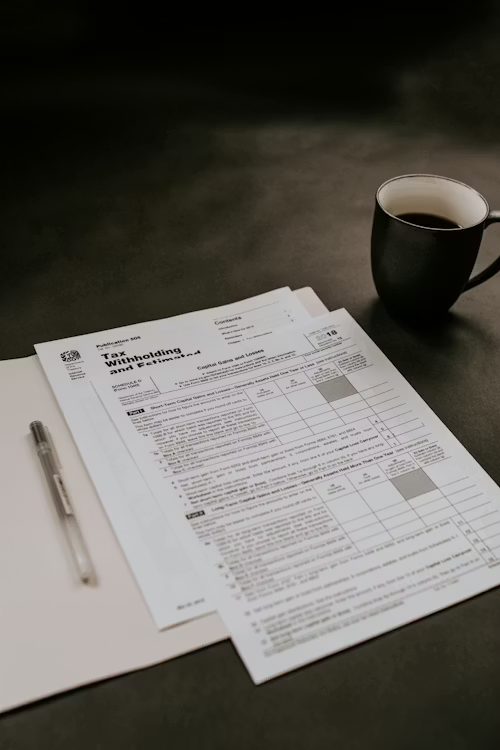
Many people assume Melbourne has its own separate income tax system, but income tax rates are the same across Australia because they are set federally.
Australia’s Progressive Tax System
Australia’s tax system is designed progressively, which means tax rates increase as taxable income rises.
Individuals earning lower incomes generally pay less tax compared to higher-income earners. This structure aims to create a balanced taxation system that supports government funding while considering different income levels.
Tax is not applied as a flat percentage across all earnings. Instead, different portions of income fall into different tax brackets.
Tax-Free Threshold
Australian residents generally benefit from a tax-free threshold, meaning a certain portion of annual income is not taxed.
The tax-free threshold helps lower-income earners reduce financial pressure while maintaining fairness within the taxation system.
People earning below the threshold may pay little or no income tax depending on their circumstances.
Tax Brackets and Marginal Tax Rates
Income tax rates increase gradually through different income brackets.
As taxable income rises, higher portions of income are taxed at higher rates. However, only the income earned within each bracket is taxed at that specific rate, rather than the entire income being taxed at the highest rate.
Understanding marginal tax rates helps individuals better understand how tax calculations work in Australia.
Medicare Levy and Additional Charges
Most Australian taxpayers also pay the Medicare levy, which helps fund the public healthcare system.
Some individuals may pay additional charges such as the Medicare levy surcharge, depending on income levels and private health insurance status.
These extra costs can affect total tax obligations significantly.
Why Understanding Income Tax Is Important
Understanding income tax helps individuals make better financial decisions and maintain compliance with Australian tax laws.
Supporting Better Financial Planning
Income tax directly affects take-home pay and personal budgeting.
Understanding tax obligations helps individuals plan savings, investments, mortgage repayments, and lifestyle expenses more effectively.
Better tax awareness also supports long-term financial stability.
Avoiding Tax Mistakes and Penalties
Incorrect tax reporting or misunderstanding tax obligations can lead to penalties, audits, or financial complications.
Understanding income tax rules helps individuals reduce errors and maintain compliance with Australian Taxation Office requirements.
Maximising Legitimate Deductions
People who understand income tax systems are often more aware of deductions and offsets they may legally claim.
Legitimate deductions can reduce taxable income and improve tax return outcomes.
Improving Career and Business Decisions
Tax obligations can influence employment choices, freelance work, investment strategies, and business structures.
Financial awareness helps individuals make more informed decisions related to income and growth opportunities.
Common Sources of Taxable Income
Income tax applies to many different types of earnings.
Employment Income
Wages and salaries are among the most common forms of taxable income.
Employees generally have tax automatically withheld by employers throughout the financial year.
Freelance and Contractor Income
Freelancers and contractors manage their own tax obligations because tax is not always automatically withheld from payments received.
These individuals often need to budget carefully for tax payments.
Business Income
Business owners and sole traders pay tax on profits earned through business activities.
Business-related deductions may reduce taxable income depending on circumstances.
Investment and Rental Income
Income earned through shares, dividends, interest accounts, or rental properties is generally taxable.
Investment income may also involve additional reporting requirements.
Tax Deductions and Their Importance
Tax deductions play an important role in reducing taxable income legally.
Work-Related Expenses
Employees may claim expenses directly related to earning income.
Examples may include uniforms, tools, internet costs, travel expenses, and professional memberships where eligible.
Home Office Expenses
Remote work has become increasingly common throughout Australia.
Eligible individuals may claim deductions related to electricity, internet use, office equipment, and home workspace costs.
Education and Training Costs
Professional development and work-related education expenses may sometimes qualify as deductible expenses.
Investment-Related Deductions
Investors may claim eligible expenses related to rental properties, financial advice, or investment management.
The Role of Tax Returns in Income Tax
Tax returns help calculate final income tax obligations accurately.
Reporting Annual Income
Tax returns require individuals to report all taxable income earned throughout the financial year.
This includes employment income, investments, freelance work, and other earnings.
Claiming Deductions and Offsets
Eligible deductions and tax offsets are reported within tax returns to reduce taxable income or tax payable.
Calculating Refunds or Additional Tax
Tax returns determine whether individuals have paid too much or too little tax during the year.
Some people receive refunds, while others may need to pay additional tax.
Maintaining Financial Records
Tax returns also create official financial records useful for loans, government applications, and financial planning.
Who Needs to Pay Income Tax in Australia
Most people earning taxable income in Australia may have income tax obligations.
Employees and Wage Earners
Most employees pay income tax automatically through employer withholding systems.
Self-Employed Individuals
Freelancers, contractors, and sole traders often manage their own tax obligations directly.
Investors and Property Owners
People earning investment income generally need to report these earnings on their tax returns.
Temporary Residents and Foreign Workers
Tax obligations for foreign residents and temporary workers may differ depending on residency status and income sources.
The Importance of Professional Tax Advice
Many individuals seek professional support to help manage income tax responsibilities.
Improving Accuracy
Accountants and tax agents help reduce errors during tax preparation and reporting.
Identifying Tax Opportunities
Professionals may identify deductions and tax-saving opportunities that individuals overlook independently.
Supporting Complex Financial Situations
People with business income, investments, or multiple revenue streams often benefit from specialised advice.
Reducing Stress
Professional assistance simplifies tax management and improves financial confidence.
Technology and Digital Income Tax Management
Technology has transformed how Australians manage taxes and financial records.
Online Tax Lodgement Systems
Many individuals now lodge tax returns through secure online systems connected to the Australian Taxation Office.
Cloud-Based Accounting Software
Digital accounting systems help organise receipts, invoices, and financial records efficiently.
Mobile Expense Tracking Applications
Expense-tracking apps allow users to record deductions and manage finances throughout the year.
Automated Financial Reporting
Modern systems automate calculations and simplify financial reporting processes.
Common Mistakes People Make With Income Tax
Many taxpayers make avoidable mistakes related to income tax management.
Forgetting Additional Income Sources
Some individuals fail to report investment income, side work, or freelance earnings properly.
Claiming Incorrect Deductions
Incorrect deduction claims can create compliance problems or audits.
Poor Financial Recordkeeping
Disorganised records make tax preparation more difficult and increase the likelihood of errors.
Missing Tax Deadlines
Late tax lodgement may result in penalties or delayed processing.
Income Tax for Different Occupations
Different professions often involve different tax considerations.
Employees and Office Workers
Office workers commonly claim home office expenses and professional memberships where eligible.
Tradespeople
Trades workers often claim tools, uniforms, and vehicle-related expenses.
Freelancers and Contractors
Freelancers must carefully manage business expenses and tax planning independently.
Investors and Property Owners
Property investors may need to manage depreciation schedules and rental income reporting.
Financial Planning and Income Tax
Understanding income tax supports stronger financial planning and long-term stability.
Budgeting More Effectively
Tax awareness helps individuals estimate take-home pay and manage expenses more accurately.
Preparing for Tax Obligations
Self-employed individuals especially benefit from planning for tax payments.
Supporting Investment Decisions
Tax considerations often affect investment strategies and financial growth planning.
Building Long-Term Financial Stability
Good tax management contributes to a stronger overall financial organisation and security.
Frequently Asked Questions
How much is income tax in Melbourne?
Income tax in Melbourne follows the Australian federal tax system. The amount paid depends on taxable income, deductions, tax brackets, residency status, and personal financial circumstances.
Does Melbourne have different tax rates from other Australian cities?
No, income tax rates are set federally across Australia, so Melbourne follows the same tax system used nationwide.
Why are tax deductions important?
Tax deductions help reduce taxable income legally, which may lower overall tax obligations and improve tax return outcomes.
Conclusion
Income tax plays an essential role in financial management for individuals and businesses throughout Melbourne and across Australia. Understanding how much income tax applies and how the Australian taxation system works helps people manage finances more effectively while remaining compliant with legal obligations.
From employment income and investments to deductions and tax returns, income tax affects many aspects of personal financial life. Understanding tax brackets, reporting requirements, and eligible deductions can help individuals reduce stress, improve financial awareness, and make better long-term financial decisions.
As financial systems continue evolving and digital tax management becomes increasingly common, income tax knowledge will remain an important part of responsible financial planning for Australians seeking stronger financial confidence and long-term stability.











Leave a Reply