
The popularity of custom duplex homes in Melbourne has grown significantly as homeowners and investors search for smarter ways to maximise land value, increase housing flexibility, and improve long-term financial returns. Duplex developments offer a unique opportunity to create two residences on a single parcel of land, providing benefits that appeal to both owner-occupiers and property investors.
Whether the goal is to generate rental income, accommodate extended family members, or build a property portfolio, duplex homes continue to attract attention throughout Melbourne’s evolving property market.
As people explore duplex living and development opportunities, they often encounter the terms full-duplex and half-duplex. While these terms are commonly associated with communication technology, they can also be used more broadly when discussing duplex-style properties and how shared living arrangements function.
This leads many prospective buyers and developers to ask an important question: Which is better, full-duplex or half-duplex?
The answer depends on several factors, including privacy expectations, land utilisation, investment objectives, property ownership structures, and long-term lifestyle goals. Understanding the differences between these concepts can help property owners make more informed decisions when planning Custom Duplex Homes Melbourne.
This article explores the advantages and limitations of different duplex arrangements while examining the broader considerations involved in duplex development.
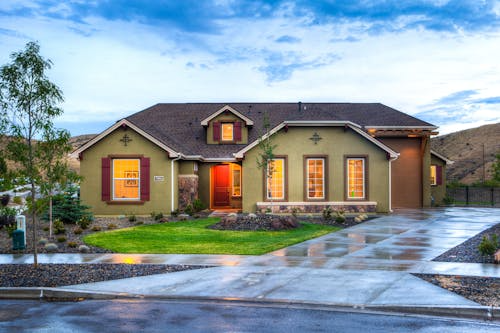
Understanding the Growing Demand for Custom Duplex Homes in Melbourne
Custom duplex homes have become increasingly popular because they provide a practical solution to rising land prices and growing housing demand. As Melbourne continues to expand, property owners are looking for development options that maximise land use while maintaining comfortable living environments.
Unlike standard housing developments, custom duplex homes allow property owners to tailor layouts, architectural styles, and features to suit specific needs. This flexibility enables developers to create homes that appeal to both current occupants and future buyers or tenants.
The increasing popularity of duplex projects highlights the importance of understanding the different design and ownership options available before beginning construction.
What Makes a Duplex Different From Other Residential Developments?
A duplex is a residential building that contains two separate dwellings within a single development. The residences may share a common wall while maintaining independent entrances, living areas, kitchens, and private outdoor spaces.
This arrangement differs from apartment buildings because each dwelling typically functions more like a standalone home. Occupants enjoy a greater sense of independence while still benefiting from efficient land use.
The versatility of duplex developments makes them suitable for a wide range of property owners, from families and investors to developers seeking higher-density housing solutions.
Why Melbourne Property Owners Are Choosing Duplex Developments
Many Melbourne property owners see duplex developments as an effective way to unlock the potential of their land. By constructing two residences rather than one, developers can often increase rental income, improve resale opportunities, and create additional housing options.
Duplex homes also provide flexibility for changing family needs. Some homeowners choose to occupy one dwelling while renting the other, while others use both residences to accommodate multiple generations of family members.
This combination of financial and lifestyle benefits continues to drive strong interest in custom duplex home projects throughout Melbourne.
Understanding Full-Duplex and Half-Duplex Concepts
Before determining which option is better, it is important to understand what full-duplex and half-duplex arrangements represent. Although these terms originate from communication systems, they provide a useful framework for discussing the functionality and efficiency of different duplex-style arrangements.
The key distinction involves how interaction, independence, and access are managed between two connected entities. Applying these principles to residential development helps illustrate the benefits and limitations associated with different duplex configurations.
Understanding these concepts provides a foundation for evaluating which arrangement may be more suitable for particular goals and circumstances.
What Is a Full-Duplex Arrangement?
A full-duplex arrangement refers to a setup in which both parties can operate independently and simultaneously without restricting each other’s activities. In residential terms, this concept aligns closely with duplex developments that provide a high degree of autonomy for each dwelling.
Each residence functions as a fully independent home with separate access, utilities, and living facilities. Occupants can enjoy privacy and flexibility without relying heavily on shared resources.
This level of independence is often highly desirable for both owner-occupiers and tenants because it creates a living experience that closely resembles a detached home.
What Is a Half Duplex Arrangement?
A half-duplex arrangement involves a greater level of shared access or interaction between the two connected components. In residential settings, this may resemble situations where certain spaces, facilities, or infrastructure elements are shared between occupants.
While this arrangement can improve land efficiency and reduce certain costs, it may also introduce limitations relating to privacy, convenience, and operational flexibility.
Understanding these trade-offs is important when evaluating different duplex development options.
Which is better, full-duplex or half-duplex?
The answer to this question depends largely on the priorities of the property owner, investor, or occupant. Both approaches offer advantages and disadvantages, and the most suitable option will vary according to individual objectives.
For many custom duplex home developments in Melbourne, a full-duplex style arrangement is often preferred because it maximises independence and market appeal. However, there are circumstances where a more shared approach may offer benefits.
Evaluating the strengths and limitations of each option helps clarify which arrangement is best suited to a particular project.
Why Full-Duplex Arrangements Are Often Preferred
Full-duplex living generally provides greater privacy and autonomy. Each dwelling can operate independently, allowing occupants to enjoy their own entrances, services, and living environments without significant interaction with neighbouring residents.
This independence often enhances property appeal among buyers and tenants. People typically value privacy and convenience, making fully self-contained duplex residences attractive in the marketplace.
For investors, a stronger market appeal can contribute to improved rental demand and resale opportunities.
Situations Where Half Duplex Arrangements May Work Well
Although full-duplex arrangements are often preferred, half-duplex concepts can still be suitable in certain circumstances. For example, family-oriented developments may intentionally incorporate shared facilities or communal spaces to encourage interaction and cooperation.
Some property owners also prioritise cost efficiency and may be willing to accept a greater level of shared infrastructure if it helps reduce development expenses.
The suitability of this approach depends on the intended use of the property and the expectations of future occupants.
Privacy Considerations in Duplex Developments
Privacy is one of the most important factors influencing the desirability of any residential property. The level of privacy provided by a duplex development can significantly affect occupant satisfaction and long-term market appeal.
Custom duplex homes in Melbourne are often designed to maximise privacy through thoughtful layouts, strategic positioning, and architectural features. These considerations become particularly important when two households occupy the same property.
Understanding privacy implications can help property owners make better design decisions during the planning process.
The Benefits of Independent Living Spaces
Independent living spaces allow occupants to enjoy their homes without unnecessary interference from neighbours. Separate entrances, dedicated outdoor areas, and effective sound insulation all contribute to a stronger sense of privacy.
These features are commonly associated with full-duplex arrangements and are often viewed as significant advantages by buyers and tenants.
A greater sense of independence can enhance overall comfort and improve long-term property appeal.
Design Strategies That Improve Privacy
Modern duplex designs incorporate a range of techniques to enhance privacy between residences. Builders may position bedrooms away from shared walls, install acoustic insulation, and create private outdoor spaces that minimise visual intrusion.
These design strategies help create a more comfortable living environment while preserving the benefits of higher-density housing. Effective planning can significantly improve occupant satisfaction.
Thoughtful design often determines whether a duplex feels spacious and private or crowded and restrictive.
Financial Considerations When Choosing a Duplex Design
Financial objectives play a major role in determining which duplex arrangement is most appropriate. Property owners must consider both initial construction costs and long-term financial performance when evaluating different options.
Understanding how design decisions affect profitability helps support better investment outcomes. Financial planning should therefore be an integral part of the development process.
Both short-term costs and long-term returns deserve careful consideration.
Construction Cost Implications
The level of independence provided within a duplex can influence construction costs. Fully self-contained residences may require additional infrastructure, utility connections, and building materials compared to arrangements involving shared facilities.
While these additional expenses can increase upfront costs, they may also enhance property value and marketability. Property owners should evaluate whether the benefits justify the investment.
Balancing cost considerations with long-term objectives is essential for successful development planning.
Long-Term Investment Potential
Properties that offer greater independence often attract stronger buyer and tenant demand. This increased appeal can contribute to higher rental yields and stronger resale performance over time.
Investors frequently view full-duplex style developments as more versatile because they appeal to a broader segment of the market. Greater flexibility can improve long-term financial outcomes.
Understanding market preferences helps developers make more informed investment decisions.
The Role of Custom Duplex Home Builders in Melbourne
Choosing the right builder is one of the most important decisions in any duplex development. Experienced custom duplex home builders bring valuable expertise to every stage of the project, from planning and design to construction and completion.
Their knowledge helps property owners navigate regulatory requirements, optimise site utilisation, and create homes that meet both functional and market expectations.
Professional guidance often contributes significantly to the overall success of a duplex project.
Creating Tailored Duplex Solutions
Custom duplex home builders specialise in developing designs that reflect the unique characteristics of each site and the goals of the property owner. Rather than relying on standard templates, they create solutions tailored to specific requirements.
This personalised approach allows developers to maximise value while addressing practical considerations such as privacy, functionality, and aesthetics.
Tailored designs often result in more successful and appealing developments.
Managing Complex Development Requirements
Duplex projects involve numerous technical and regulatory requirements that must be managed carefully. Builders coordinate consultants, trades, approvals, and construction activities to ensure projects proceed smoothly.
Their expertise helps minimise delays, control costs, and maintain quality throughout the development process. Effective project management is particularly important in custom duplex construction.
Working with experienced professionals provides greater confidence and reduces development risks.
Common Mistakes When Planning a Duplex Development
Even well-intentioned projects can encounter difficulties if important considerations are overlooked. Understanding common mistakes helps property owners avoid costly setbacks and improve project outcomes.
Many of these issues can be prevented through careful planning and professional advice. Awareness is often the first step toward better decision-making.
Avoiding common pitfalls contributes to a more efficient and successful development process.
Focusing Only on Initial Costs
Some developers prioritise short-term savings without considering long-term performance. While reducing upfront expenses may seem attractive, it can sometimes compromise property quality and market appeal.
Investing appropriately in design, construction quality, and privacy features often delivers stronger returns over time. Long-term value should remain a key consideration throughout the planning process.
Balancing immediate costs with future benefits leads to more sustainable investment decisions.
Ignoring Future Occupant Needs
Successful duplex developments should consider how future occupants will use the property. Factors such as storage, privacy, accessibility, and outdoor space can significantly influence market appeal.
Ignoring these needs may reduce the attractiveness of the completed development and limit future opportunities. Understanding occupant expectations helps create homes that remain desirable for years to come.
Designing with future residents in mind supports stronger long-term outcomes.
Frequently Asked Questions
Which is better, full-duplex or half-duplex?
For most residential developments, a full-duplex arrangement is generally considered better because it provides greater privacy, independence, and market appeal. However, the best choice depends on individual goals and property requirements.
Are custom duplex homes a good investment in Melbourne?
Custom duplex homes can be a strong investment because they maximise land use, create additional income opportunities, and offer flexibility for changing housing needs.
Can duplex homes provide the same privacy as detached houses?
While duplex homes share certain structural elements, thoughtful design and quality construction can significantly improve privacy. Features such as acoustic insulation, separate entrances, and private outdoor spaces help create a comfortable living environment.
Conclusion
When comparing full-duplex and half-duplex arrangements, the most suitable choice depends on individual priorities, investment goals, and development objectives.
For many custom duplex homes in Melbourne, a full-duplex style approach offers greater privacy, independence, and market appeal, making it a preferred option among homeowners and investors alike.
However, every development is unique, and successful outcomes depend on careful planning, thoughtful design, and professional guidance. Working with experienced custom duplex home builders allows property owners to create tailored solutions that maximise both functionality and value.
By understanding the differences between duplex arrangements and considering the needs of future occupants, developers can make informed decisions that contribute to long-term success.










Leave a Reply