
Hedge trimming and tree pruning are essential tasks for any garden enthusiast. Whether you’re a seasoned gardener or a beginner, maintaining the health and appearance of your plants requires regular care.
A well-trimmed hedge and properly pruned tree can not only enhance the beauty of your garden but also promote healthier growth and improve overall plant vitality.
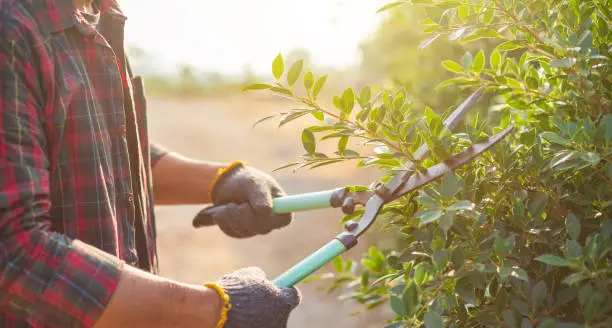
In this comprehensive guide, we’ll take you through the basics of hedge trimming and tree pruning, covering everything you need to know to keep your garden thriving. If you’re after more tips, be sure to check out a fantastic read on garden care.
1. Understanding the Importance of Hedge Trimming and Tree Pruning
The Role of Hedge Trimming in Garden Maintenance
Hedge trimming is an essential part of maintaining a neat and organised garden. Regular trimming helps shape your hedges and prevents them from becoming overgrown, which can affect their appearance and health.
- Enhances Aesthetic Appeal: A well-maintained hedge adds a neat and tidy look to your garden, improving overall curb appeal.
- Improves Health: Regular trimming removes dead or damaged growth, allowing healthy branches to flourish.
- Promotes Density: Frequent trimming encourages lateral growth, making your hedge denser and more robust.
The Importance of Tree Pruning for Tree Health
Tree pruning goes hand in hand with hedge trimming but requires a slightly different approach. Proper pruning removes damaged, diseased, or dead wood and encourages healthy new growth. The main benefits include:
- Prevents Disease: Pruning helps remove infected or damaged branches, preventing the spread of disease.
- Encourages Healthy Growth: Removing dead or unnecessary branches allows the tree to focus energy on healthy limbs.
- Improves Structure: Pruning helps develop a strong, balanced structure, reducing the risk of the tree becoming top-heavy or poorly shaped.
2. Tools You Need for Hedge Trimming and Tree Pruning
Essential Tools for Hedge Trimming
To achieve the best results with hedge trimming, you’ll need the right set of tools. Here’s a list of essential tools for trimming hedges:
- Hedge Shears: These are ideal for cutting smaller hedges and give you more control over the cut.
- Electric Hedge Trimmers: Perfect for larger hedges, electric trimmers make the job quicker and less physically demanding.
- Pruning Saws: For cutting through thicker branches or overgrown parts of the hedge, a pruning saw is a must-have.
- Loppers: These long-handled tools help you reach higher or thicker branches that are out of reach of regular shears.
Essential Tools for Tree Pruning
When it comes to pruning trees, the tools you use depend on the size and condition of the tree. Here are some tools you’ll need:
- Bypass Pruners: Ideal for removing small branches, these pruners create clean cuts without damaging the tree.
- Pruning Saws: A saw is perfect for cutting through larger branches that are too thick for shears or pruners.
- Pole Pruners: If you have tall trees or branches that are hard to reach, pole pruners with an extendable arm can make pruning safer and easier.
- Chainsaws: For large trees or thick branches, a chainsaw is a powerful tool that can quickly handle the task.
3. Best Time to Trim Hedges and Prune Trees
When to Trim Hedges
Hedge trimming should be done regularly, but the best times for trimming depend on the type of hedge you have:
- Spring: For deciduous hedges, trimming in late spring encourages healthy new growth.
- Summer: Evergreen hedges can be trimmed during summer to maintain their shape and fullness.
- Autumn: Avoid trimming in autumn, as it can stimulate new growth that will not have time to harden off before winter.
When to Prune Trees
Tree pruning is best done during specific seasons for optimal results:
- Late Winter or Early Spring: This is the best time to prune most deciduous trees before new growth begins. The tree is in dormancy, which reduces the risk of disease.
- Summer Pruning: Pruning during the summer months can help you manage new growth and remove water sprouts or unwanted branches.
- Autumn: While autumn pruning is typically avoided, it may be suitable for some fruit trees after harvest.
4. How to Trim Hedges Like a Pro
Step-by-Step Guide to Hedge Trimming
Trimming hedges correctly is important for the health of the plant. Here’s a simple step-by-step guide to ensure your hedges are well-maintained:
- Choose the Right Tools: Select hedge shears or electric trimmers based on the size of your hedge.
- Prepare the Area: Clear any debris or obstacles around the hedge that could get in the way of trimming.
- Start at the Top: Begin trimming from the top of the hedge and work your way down. This ensures the trimmings fall down to the ground and don’t damage the plant.
- Trim Sides Evenly: Work from one end of the hedge to the other, trimming the sides evenly. Ensure both sides are symmetrical to maintain the hedge’s shape.
- Cut in Stages: If the hedge is very tall, trim it in stages to avoid cutting too much at once.
Tips for Maintaining Hedge Health
- Trim Regularly: Trimming every few months encourages healthy growth and prevents overgrowth.
- Avoid Cutting Too Much: Only trim 1/3 of the hedge at a time to prevent shock to the plant.
- Clean Your Tools: Make sure your trimming tools are sharp and clean to make precise cuts and avoid transferring disease.
5. How to Prune Trees Effectively
Step-by-Step Guide to Tree Pruning
Pruning trees is a more involved process than trimming hedges, but it’s just as important for the health of your trees. Follow these steps to prune your trees properly:
- Assess the Tree: Look for dead, diseased, or damaged branches that need removal.
- Start with Deadwood: Begin by removing any dead or damaged branches that could potentially harm the tree.
- Remove Crossing Branches: Branches that rub against each other should be removed to prevent damage and disease.
- Shape the Tree: Prune to create a balanced structure, ensuring the tree has a central leader and evenly spaced branches.
- Make Clean Cuts: Always make clean, angled cuts to prevent injury to the tree.
Pruning Tips for Different Types of Trees
- Fruit Trees: Prune fruit trees in late winter or early spring to remove deadwood and encourage better fruit production.
- Shade Trees: For shade trees, focus on removing weak or crossing branches to improve airflow and structure.
- Flowering Trees: Prune flowering trees after they bloom to avoid cutting off new buds.
6. Common Mistakes to Avoid in Hedge Trimming and Tree Pruning
Mistakes in Hedge Trimming
- Cutting Too Much: Avoid cutting too much at once, as this can stress the plant and impact its growth.
- Trimming at the Wrong Time: Trimming hedges during the wrong season can damage the plant, especially if it’s done before it has a chance to harden off for winter.
- Uneven Cuts: Always ensure that your hedge trimming is symmetrical. Uneven cuts can make your hedge look untidy.
Mistakes in Tree Pruning
- Cutting Too Close to the Trunk: When pruning large branches, always leave a small collar of bark to help the tree heal properly.
- Over-Pruning: Pruning too much can weaken the tree and leave it vulnerable to pests and diseases.
- Pruning in the Wrong Season: Pruning during the wrong time of year, such as late autumn or winter for non-dormant trees, can damage the tree or inhibit growth.
Conclusion
Hedge trimming and tree pruning are vital tasks for maintaining a beautiful, healthy garden. By following the right techniques, using the proper tools, and avoiding common mistakes, you can ensure your hedges and trees remain in excellent condition year-round.
With this guide, you’re now equipped to take on these tasks and keep your garden looking its best. Happy gardening!
Frequently Asked Questions
How often should I trim my hedge?
It depends on the type of hedge, but generally, you should trim your hedge at least two to three times per year to keep it looking neat and healthy.
Can I prune trees myself, or should I hire a professional?
If you’re pruning small trees, you can do it yourself with the proper tools and technique. However, for large trees or those with complex shapes, it’s advisable to hire a professional arborist.
Is it necessary to prune trees in the winter?
Pruning trees in winter is beneficial for deciduous trees as it is the dormant season. This reduces stress on the tree and allows it to recover faster in the spring.









Leave a Reply