
Retail has transformed significantly in recent years, with customer expectations evolving toward convenience, speed, and flexibility. One of the most important elements driving this transformation is retail delivery. Whether customers shop online or in-store, the ability to receive products quickly and reliably has become a defining factor in the overall shopping experience.
Delivery services for retail are no longer limited to simply transporting goods from a store to a customer’s home. They now involve sophisticated systems that integrate logistics, technology, customer communication, and operational efficiency. Retailers must carefully design their delivery strategies to meet demand while maintaining cost-effectiveness and service quality.
This guide explores Delivery Services For Retail in depth and answers a key question that many businesses and consumers ask: What is retail delivery? By understanding how retail delivery works and its importance in today’s market, retailers can build systems that support growth and customer satisfaction.
Understanding Retail Delivery

Retail delivery refers to the process of transporting purchased goods from a retailer to the customer’s chosen destination. This process can involve multiple stages, including order processing, packaging, dispatch, and final delivery.
What Is Retail Delivery
Retail delivery is the system through which products purchased by customers are delivered from retail stores, warehouses, or distribution centres to their final destination. It includes all activities involved in fulfilling customer orders, from preparation to transportation and delivery.
In modern retail, delivery is a critical component of the customer experience. It connects the purchase process with the final receipt of goods, ensuring that customers receive their orders accurately and on time.
The Role of Delivery Services in Retail
Delivery services play a central role in retail operations by enabling businesses to meet customer expectations for convenience and speed.
Retailers rely on delivery systems to fulfil online orders, support omnichannel strategies, and expand their market reach. Efficient delivery services help maintain customer satisfaction and build brand loyalty.
The Evolution of Retail Delivery
Retail delivery has evolved from traditional in-store pickup to advanced systems that include same-day delivery, next-day shipping, and real-time tracking.
The growth of e-commerce has accelerated this evolution, increasing the demand for faster and more flexible delivery options. Retailers must continuously adapt to keep up with changing consumer expectations.
Types of Retail Delivery Services
Retail delivery services come in various forms, each designed to meet different customer needs and business requirements.
Standard Delivery
Standard delivery is the most common type of retail delivery. It typically involves shipping products within a few days and is often the most cost-effective option.
This method is suitable for non-urgent purchases and provides a balance between cost and speed.
Express Delivery
Express delivery offers faster shipping times, often within one to two days.
Retailers use this service to meet customer demand for quicker delivery, especially for time-sensitive purchases.
Same-Day Delivery
Same-day delivery allows customers to receive their orders on the same day of purchase.
This service requires efficient logistics and coordination but provides a high level of convenience and customer satisfaction.
Click and Collect
Click and collect allows customers to order products online and pick them up from a store or designated location.
This method combines the convenience of online shopping with the speed of in-store pickup.
Last-Mile Delivery
Last-mile delivery refers to the final stage of the delivery process, where goods are transported from a distribution centre to the customer’s location.
This stage is often the most complex and costly part of the delivery process.
Key Components of Retail Delivery
Retail delivery involves several interconnected components that ensure efficient and reliable service.
Order Processing
Order processing includes receiving customer orders, verifying details, and preparing items for shipment.
Efficient order processing ensures accuracy and reduces delays.
Packaging
Proper packaging protects products during transit and enhances the customer experience.
Retailers must choose packaging materials that balance protection, cost, and sustainability.
Transportation
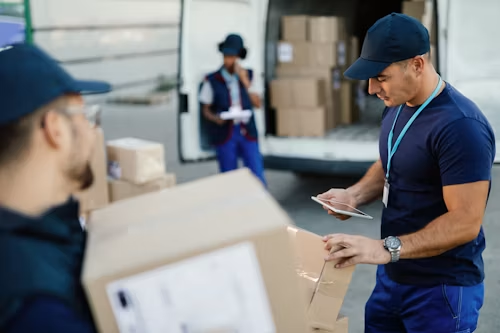
Transportation involves moving goods from warehouses or stores to customers using various delivery methods.
Choosing the right transport mode is essential for efficiency and cost management.
Tracking and Communication
Modern delivery systems provide real-time tracking and updates, allowing customers to monitor their orders.
Effective communication improves transparency and customer satisfaction.
Benefits of Retail Delivery Services
Retail delivery services offer numerous advantages for businesses and customers.
Convenience for Customers
Delivery services allow customers to receive products without visiting a store.
Expanded Market Reach
Retailers can reach customers beyond their physical locations, increasing sales opportunities.
Improved Customer Satisfaction
Reliable and timely delivery enhances the overall shopping experience.
Competitive Advantage
Businesses with efficient delivery systems can stand out in a competitive market.
Challenges in Retail Delivery
Retail delivery also presents several challenges that businesses must address.
High Delivery Costs
Transportation, labour, and operational expenses can impact profitability.
Delivery Delays
Traffic, weather, and logistical issues can cause delays.
Managing Customer Expectations
Customers expect fast and reliable delivery, which can be challenging to maintain consistently.
Complexity of Logistics
Coordinating multiple deliveries and routes requires careful planning and management.
Strategies for Optimising Retail Delivery
Retailers can implement strategies to improve delivery efficiency and performance.
Route Optimization
Using advanced tools to plan efficient delivery routes reduces time and costs.
Technology Integration
Digital systems enhance tracking, communication, and operational efficiency.
Partnering with Delivery Providers
Collaborating with experienced logistics providers ensures reliable service.
Data Analysis
Analysing data helps identify inefficiencies and improve delivery performance.
The Role of Technology in Retail Delivery
Technology plays a crucial role in modern delivery systems.
Real-Time Tracking
Tracking systems provide visibility into delivery status, improving transparency.
Automation
Automation reduces manual tasks and increases efficiency in order processing and logistics.
Artificial Intelligence
AI enhances route planning, demand forecasting, and operational decision-making.
Mobile Applications
Mobile apps allow customers to track orders, receive updates, and communicate with delivery providers.
The Future of Retail Delivery
Retail delivery continues to evolve as new technologies and trends emerge.
Faster Delivery Expectations
Customers increasingly expect same-day or even instant delivery options.
Sustainable Delivery Solutions
Retailers are adopting eco-friendly practices to reduce environmental impact.
Increased Use of Automation
Automation technologies are transforming delivery operations.
Integration of Advanced Technologies
Innovations such as drones and autonomous vehicles may shape the future of delivery services.
Frequently Asked Questions
What is retail delivery?
Retail delivery is the process of transporting purchased goods from a retailer to the customer’s chosen location, including all steps from order processing to final delivery.
What types of delivery services are used in retail?
Retail delivery includes standard, express, same-day, click and collect, and last-mile delivery services.
Why is retail delivery important?
It ensures that customers receive their purchases conveniently and on time, directly impacting satisfaction and business success.
Conclusion
Retail delivery services are a vital component of modern retail operations, connecting businesses with customers through efficient and reliable systems. Understanding what retail delivery is and how it works allows retailers to develop strategies that enhance performance and customer satisfaction.
From standard shipping to same-day delivery, each service plays a unique role in meeting customer needs. By integrating efficient processes, leveraging technology, and adapting to changing demands, retailers can build delivery systems that support growth and competitiveness.
As the retail landscape continues to evolve, delivery services will remain a key factor in shaping customer experiences and driving business success.







Leave a Reply