
Privacy is a growing concern for many homeowners, particularly those with properties that are closely situated to neighbours or busy streets. Creating a private oasis in your own backyard can offer relaxation and a sense of security.
One of the most effective and natural ways to achieve privacy in your outdoor space is by using trees to create privacy screens. Trees can provide a beautiful, sustainable, and functional solution to block unwanted views and noise.

In this article, we will explore how to use trees to create effective privacy screens and the steps involved in selecting and planting the right tree species for your needs.
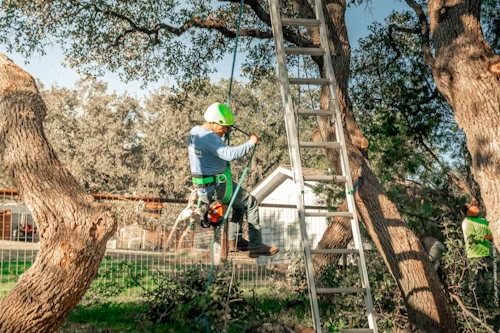
If you are dealing with overcrowded or problematic trees in your backyard, you might consider tree removal Belgrave to make space for your new privacy screens.
Why Trees Are Ideal for Privacy Screens
Trees are an excellent choice for creating privacy screens due to their natural height, dense foliage, and ability to block out visual and noise disturbances.
Unlike fences or walls, trees add beauty, texture, and seasonal interest to your backyard, making them a much more attractive solution for privacy.
With the right selection, trees can provide year-round coverage, shielding you from the outside world while enhancing your garden’s aesthetic appeal.
1. Natural Aesthetic Appeal
One of the main advantages of using trees for privacy is the visual appeal. Trees add layers of greenery, structure, and seasonal colour to your landscape.
As the seasons change, trees provide different textures and hues, ensuring that your privacy screen is not only functional but also attractive throughout the year.
2. Environmental Benefits
In addition to providing privacy, trees offer several environmental advantages. They help improve air quality, reduce heat, and provide habitats for birds and insects.
Planting trees for privacy can make your backyard more environmentally friendly and contribute to the overall health of your landscape.
How to Use Trees for Effective Privacy Screens
Creating a successful privacy screen with trees requires careful planning. You need to consider the types of trees that will work best for your space, the level of privacy you want, and how long it will take for the trees to grow.
By following the right steps, you can create an effective privacy barrier that lasts for years.
1. Choose the Right Trees for Your Space
The first step in creating a privacy screen is selecting the right trees. Not all trees are suitable for every environment, and it’s essential to pick species that are well-suited to your climate, soil, and space. Trees with dense foliage and a fast growth rate are ideal for privacy screens.
Factors to Consider When Choosing Trees:
Height and Width
Choose trees that will grow tall enough to block views but also wide enough to provide full coverage.
Growth Rate
Some trees grow faster than others, and if you need immediate privacy, look for fast-growing species.
Climate Suitability
Choose trees that are well-suited to your local climate. Native species often perform best because they are adapted to local conditions.
Maintenance Needs
Consider the maintenance level of the tree, including pruning requirements and pest susceptibility.
2. Tree Types for Privacy Screens
There are several tree species that are commonly used for privacy screens due to their dense foliage and fast growth. Here are some excellent options to consider when creating your privacy screen:
Best Trees for Privacy Screens:
Leyland Cypress
A fast-growing evergreen with dense foliage, making it a popular choice for privacy screens.
Green Giant Arborvitae
Known for its quick growth and tall, narrow form, this tree is perfect for tight spaces and providing year-round privacy.
Australian Brush Cherry
An evergreen tree that grows quickly and offers dense, glossy foliage, ideal for privacy.
Olive Trees
In warmer climates, olive trees can be an attractive option, offering both privacy and a Mediterranean aesthetic.
3. Planting and Spacing for Optimal Coverage
The placement and spacing of trees are critical for creating an effective privacy screen. Proper spacing ensures that your trees have enough room to grow to their full potential, while still providing the necessary coverage.
Planting and Spacing Tips:
Spacing Between Trees
Ensure that trees are spaced adequately to allow for growth. For most privacy trees, spacing should be between 1.5 to 3 metres apart, depending on the species.
Rows for Denser Coverage
For a denser screen, consider planting trees in staggered rows. This ensures that the lower part of the screen remains filled in as the trees grow.
Consider Sunlight and Wind
Plant trees in a location where they receive adequate sunlight, but also consider how they will fare in strong winds, especially if they are near a fence or boundary.
4. Maintenance for Long-Term Privacy
While trees generally require less maintenance than fences, it’s essential to maintain your privacy screen to ensure it remains effective over time. Regular care will help your trees grow healthy and dense, providing the best coverage.
Maintenance Tips for Privacy Screens:
Pruning
Regular pruning helps maintain the shape of your trees and encourages dense growth. Prune dead or damaged branches and shape the trees to maintain their privacy function.
Watering and Fertilisation
Newly planted trees need consistent watering to establish their roots. Once established, water during dry periods and fertilise annually to promote healthy growth.
Pest Control
Keep an eye out for pests that might damage your trees, such as aphids, scale insects, or tree borers. If necessary, use organic pesticides or consult a professional for pest management.
Additional Considerations for Tree Privacy Screens
In addition to the trees themselves, several factors can influence the overall effectiveness of your privacy screen. Consider adding complementary elements to enhance the coverage and aesthetics of your space.
1. Combining Trees with Other Privacy Elements
While trees are an excellent choice for privacy, you can also incorporate other elements into your design to further enhance the effect. Combining trees with shrubs, hedges, or trellises can create a more complete and attractive privacy solution.
2. Seasonal Changes
Keep in mind that trees, especially deciduous species, change with the seasons. While they may provide excellent coverage during the warmer months, they may shed their leaves in the fall, reducing their effectiveness as a privacy screen.
To maintain year-round privacy, consider including evergreen trees in your design or using a combination of both deciduous and evergreen species for a layered effect.
3. Long-Term Planning
When planting trees for privacy, it’s important to plan for their long-term growth. Trees can take several years to reach maturity, so be patient. Consider starting with smaller trees and allowing them to grow naturally, or look for species with faster growth rates to achieve quicker results.
Conclusion
Using trees to create privacy screens in your backyard is an effective and aesthetically pleasing way to enhance your outdoor space.
Whether you’re looking for a natural barrier from neighbours, street noise, or simply want to create a secluded retreat, trees can provide both privacy and beauty.
By carefully selecting the right species, properly spacing and planting the trees, and incorporating complementary elements, you can create a privacy screen that thrives year-round.
Frequently Asked Questions
How long does it take for trees to create a full privacy screen?
The time it takes for trees to create a full privacy screen depends on the species and growth rate. Fast-growing trees like Leyland Cypress can provide substantial coverage in just a few years, while slower-growing species may take 5-10 years to reach full maturity.
Can I use trees for privacy if I have a small backyard?
Yes, many trees are suitable for small backyards. Look for narrow, upright species like Green Giant Arborvitae or columnar trees that won’t take up too much space while still providing privacy.
Are there trees that don’t require much maintenance for privacy?
Yes, many evergreen trees are low-maintenance, requiring minimal pruning and care. Trees like Australian Brush Cherry, Olive trees, and certain types of cypress are hardy and require less ongoing maintenance.





Leave a Reply