
Australia’s vast landscape means that businesses need reliable and efficient transportation networks to move goods from one state to another. Whether you are transporting bulk goods, perishable items, or time-sensitive deliveries, understanding the available interstate transport services is essential.
The freight people play a key role in ensuring that businesses can connect with suitable transport solutions to meet their specific needs across the country.
This complete guide will provide you with everything you need to know about interstate transport services across Australia, from the different types of services available to how to choose the best transport option for your business.
What is Interstate Transport?
Interstate transport refers to the movement of goods between two or more states within Australia. This is a critical component of Australia’s logistics industry, as it connects businesses across the nation and ensures that goods are delivered efficiently to all corners of the country.
Interstate transport services involve various modes of transport, including road, rail, air, and sea freight, each with its own set of advantages depending on the shipment type, distance, and urgency. Selecting the right mode of transport is key to ensuring that your goods are delivered on time and at a cost-effective price.
Types of Interstate Transport Services
Australia offers a wide range of interstate transport services. The most common modes of transport are road, rail, air, and sea, each of which has distinct benefits depending on your business’s needs.
Road Freight: The Backbone of Interstate Transport
When it comes to interstate transport, road freight is often the most widely used mode of transport. Australia’s well-developed road network makes it a versatile option for transporting goods over long distances between states.
Advantages of Road Freight
- Flexibility: Road transport can be tailored to a wide range of cargo, from small packages to large freight loads. It also allows for door-to-door delivery, making it an excellent choice for businesses that require specific delivery locations.
- Cost-Effective: Road transport is often the most affordable option for transporting goods across states, especially for small to medium-sized shipments.
- Speed: While road transport can take longer over longer distances, it is often quicker than rail or sea freight when moving goods within the same region.
How to Choose Road Freight
When choosing a road transport service, it is important to consider the type of goods being transported. For time-sensitive or delicate shipments, choosing a road freight company that offers express services or refrigerated transport may be necessary. Additionally, selecting a reputable provider like the freight people ensures that the goods are handled professionally and delivered within the expected timeframe.
Rail Freight: Efficient and Reliable for Bulk Shipments
Rail freight is another key mode of interstate transport in Australia. While not as flexible as road freight, it is highly efficient for bulk shipments and is particularly well-suited for long-distance transport between major cities and ports.
Advantages of Rail Freight
- Cost-Efficiency for Large Volumes: Rail freight is typically more cost-effective for large and bulk shipments compared to road transport. This makes it an ideal choice for industries such as mining, manufacturing, and agriculture that need to move heavy goods.
- Environmental Benefits: Rail transport produces fewer emissions per tonne of freight compared to road transport, making it a more sustainable option for businesses concerned about reducing their carbon footprint.
- Reliability: Rail services are less affected by road congestion and weather conditions, making them a reliable choice for long-distance shipments.
How to Choose Rail Freight
Rail freight is ideal for bulk items such as machinery, raw materials, or large-scale retail shipments. However, rail is often not a door-to-door solution, so businesses will need to account for transportation to and from the nearest rail terminal. If your business requires cost-effective, large-volume transport across the country, rail freight may be the best option.
Air Freight: Fast and Efficient for Urgent Shipments
For businesses that need to move goods quickly across the country, air freight offers the fastest option for interstate transport. Air transport is commonly used for high-value, time-sensitive, or perishable goods.
Advantages of Air Freight
- Speed: Air freight is the fastest mode of transport, with shipments arriving within hours, making it ideal for time-sensitive deliveries.
- Security: Goods transported by air are subject to rigorous security measures, making it a secure option for high-value or sensitive items.
- Global Reach: While air freight is commonly used for international shipping, it is also an excellent choice for moving goods between Australia’s major cities in a short time.
How to Choose Air Freight
Air freight is most suitable for businesses that need to ship perishable goods, medical supplies, or high-value products that require quick delivery. While it is more expensive than other modes of transport, it is often the best choice when speed and security are paramount.
Sea Freight: Ideal for Large Shipments and Bulk Cargo
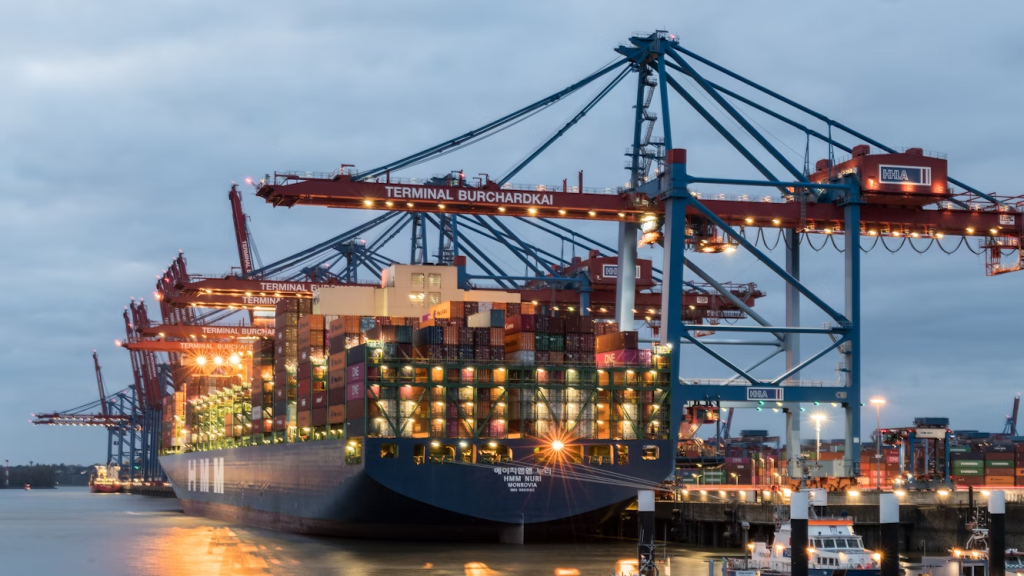
For businesses that need to move large volumes of goods between Australia’s coastal cities, sea freight is an efficient option. Though sea freight is typically associated with international shipping, it is also widely used for interstate transport between ports.
Advantages of Sea Freight
- Cost-Effective for Large Shipments: Sea freight is often the most cost-effective solution for large, bulk shipments, especially for goods that are not time-sensitive.
- Suitable for Oversized Goods: Sea freight can accommodate large and heavy cargo that might be difficult or expensive to ship by road or air.
- Less Risk of Damage: Cargo transported by sea is generally less susceptible to damage from accidents or rough roads, though the long transit times can introduce delays.
How to Choose Sea Freight
Sea freight is best for bulk shipments of goods that are not urgent and can be transported by sea from one port to another. While it can be slower than other options, it remains a reliable and affordable solution for large-scale shipments.
How to Choose the Right Interstate Transport Service
When choosing the best interstate transport service for your business, there are several factors you should consider to ensure that the service aligns with your shipping needs.
Consider the Type of Goods Being Transported
The nature of the goods being transported is a major factor in selecting the right mode of transport. Perishable goods or high-value items may be better suited to air freight, while large volumes of non-perishable products might be more economical via rail or road freight.
Speed vs Cost
If time is a critical factor for your shipments, you may need to choose a faster mode of transport such as air freight or express road transport. However, if cost is a priority, rail or sea freight could be more suitable, especially for bulk shipments.
Evaluate Delivery Location and Flexibility
Interstate transport services vary in terms of flexibility and delivery options. Road freight offers door-to-door service, while rail and sea freight may require additional handling and transfer between different transportation modes. Be sure to evaluate your delivery requirements and choose a service that meets your needs.
Reliability of the Transport Provider
Choosing a reputable transport provider is essential to ensuring that your goods arrive on time and in good condition. Providers like the freight people offer robust and reliable services across Australia, helping businesses streamline their logistics operations. Check reviews, get recommendations, and assess the provider’s reputation before making a decision.
Frequently Asked Questions
What are the main modes of interstate transport in Australia?
The main modes of interstate transport in Australia are road freight, rail freight, air freight, and sea freight. Each has its own advantages depending on the size, weight, urgency, and cost considerations of the shipment.
How do I choose the right interstate transport provider for my business?
To choose the right interstate transport provider, consider factors like the type of goods being shipped, delivery timelines, costs, and the reputation of the provider. Evaluate all available options and select the service that best meets your business needs.
Can freight management software help with managing interstate transport?
Yes, freight management software can help businesses optimise their interstate transport operations. The software allows you to automate tasks such as booking shipments, tracking deliveries, and calculating costs, streamlining your logistics processes and ensuring smoother operations.
Conclusion
Understanding the variety of interstate transport services across Australia is essential for businesses that need to move goods efficiently and cost-effectively. Whether you need road, rail, air, or sea freight, each mode has its own benefits depending on your specific needs.
By carefully considering factors such as the type of goods being transported, speed requirements, cost, and the reputation of the transport provider, businesses can make more informed decisions. With the help of services like the freight people and advanced tools like freight management software, businesses can streamline their shipping processes and ensure the timely and reliable delivery of goods across Australia.









Leave a Reply