
A yard covered in fallen leaves can look charming for a short time, especially during seasonal changes, but it does not take long before that natural layer turns into a demanding cleanup task. Leaves gather on grass, stick to pathways, block drains, hide garden edges, and create slippery surfaces after rain.
If they are left too long, they can smother lawns, encourage mold, attract pests, and make the entire property appear neglected. Because of this, many homeowners ask the same practical question: What is the easiest way to clean up yard leaves?
The easiest method is not always the hardest-working one. Many people assume yard cleanup must involve long hours of raking and heavy lifting, but modern tools and smarter techniques can make the job faster and less tiring.
The right approach depends on yard size, number of trees, leaf volume, surface type, weather conditions, and whether you plan to dispose of leaves or reuse them as mulch or compost.
A small yard may only need a lightweight rake and collection bags, while a larger property may benefit from a blower, mulching mower, or tarp system. Timing also matters. Cleaning leaves while they are dry and before they become packed down can save major effort later.
This guide explains the easiest ways to do Yard Leaf Cleaning, the best tools for different situations, step-by-step cleanup methods, mistakes to avoid, and how to keep your yard tidy with less stress throughout the season.
Why Yard Leaves Should Be Cleaned Regularly
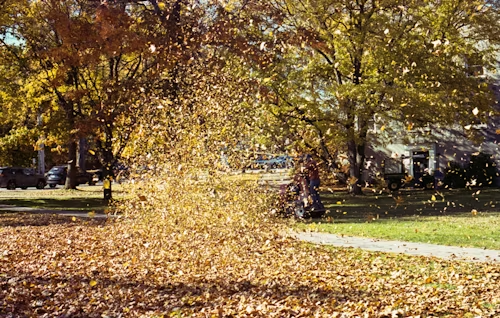
Leaves are natural, but large amounts of fallen leaves can create problems when they remain in the yard for too long. A thin layer may seem harmless, yet repeated accumulation changes how the lawn and outdoor surfaces function.
Grass needs sunlight and airflow to stay healthy. When leaves form a dense mat over the lawn, moisture becomes trapped underneath. This can weaken grass, encourage fungal growth, and create yellow or bare patches. During rainy periods, wet leaf piles become heavy and difficult to remove.
Leaves on walkways and driveways can also become slippery, especially when damp. This creates a safety risk for family members, visitors, and pets. In addition, leaves may block drains or gutters if blown into the wrong areas.
Another reason to clean regularly is appearance. Even a well-maintained property can look untidy when leaves cover edges, corners, and entryways. Regular cleanup protects both curb appeal and yard health.
What Is the Easiest Way to Clean Up Yard Leaves
The easiest way to clean up yard leaves is to remove them in smaller sessions using the right tool for the yard size, then gather them into one collection point for bagging, mulching, or composting.
For small yards, a lightweight rake combined with a tarp or leaf bags is often easiest. For medium to large yards, a leaf blower or mulching mower can reduce physical effort and speed up the job. Instead of waiting until leaves are deep and wet, it is easier to clean weekly or as leaves fall.
The most efficient process is simple. First, clear leaves from edges and corners. Next, move leaves into central piles. Then load or mulch the piles immediately. This prevents double work and repeated movement.
The easiest method is always the one that matches your property and keeps the task manageable.
Understanding Different Yard Sizes and Cleanup Needs
Not every yard needs the same solution. The easiest cleanup method depends greatly on the size and layout of the property.
Small Yards
Small front lawns, narrow side yards, patios, and compact spaces usually do not need powered equipment. A rake, broom, or small blower may be enough. Cleanup can often be completed quickly if done regularly.
Medium Yards
Suburban properties with several trees often benefit from a leaf blower or mulching mower. These tools save time and reduce bending and lifting.
Large Yards
Properties with mature trees or open landscapes may produce heavy leaf volume. In these cases, backpack blowers, riding mowers with baggers, or professional cleanup services may be the easiest option.
Complex Landscapes
Yards with fences, flower beds, slopes, gravel paths, and multiple corners may require a combination of tools rather than one solution.
Best Tools for Easy Yard Leaf Cleaning
Choosing the correct tool can turn a difficult task into a simple one.
Leaf Rake
A rake remains one of the most practical tools for many homeowners. Modern ergonomic rakes are lighter and wider than older designs. They work well for gathering leaves on grass and around delicate plants.
Leaf Blower
Blowers reduce physical effort by moving leaves with air instead of manual pulling. They are especially useful on driveways, patios, decks, and larger lawns.
Mulching Mower
A mower with mulching blades chops leaves into fine pieces. These can decompose into the lawn or be collected in a bag attachment. This is one of the easiest methods for moderate dry leaf coverage.
Lawn Vacuum
Leaf vacuums collect and shred leaves directly into bags. They can be effective for users who prefer suction over blowing.
Tarp
A simple tarp can save major effort. Instead of carrying many armloads of leaves, pile leaves onto the tarp and drag them to disposal or compost areas.
Bags or Bins
Strong yard waste bags or reusable bins make transport easier and keep cleanup organised.
Why Timing Makes Cleanup Easier
Many people make yard cleanup harder by waiting too long.
Dry leaves are lighter, easier to move, and faster to collect. Wet leaves stick to grass, clump together, and become much heavier. A weekly cleanup during the heavy fall season often takes far less time than one large monthly cleanup.
Cleaning after calm weather is usually easier than after storms, where leaves may be mixed with branches and mud.
Morning dew may make leaves slightly heavier, while midday dry conditions often improve blower and rake efficiency. Choose a timing that suits your climate and schedule.
The Easiest Method for Small Yards
For smaller spaces, the easiest approach is usually a rake-and-tarp system.
Begin by raking leaves from borders, fences, and corners toward the centre of the yard. Use long light strokes rather than digging into the grass. Once a pile forms, place a tarp beside it and rake leaves onto the tarp.
Drag the tarp to your compost pile, curbside pickup point, or bagging area. Repeat until complete.
This method works well because it avoids carrying heavy bags back and forth and requires minimal equipment.
The Easiest Method for Medium Yards
For medium yards, combine a blower with a rake.
Use the blower to move leaves from open lawn areas into several piles. Then use the rake for detailed cleanup around trees, shrubs, and beds. Transfer the piles to bags or a tarp.
This method saves time because the blower handles the bulk volume while the rake handles precision areas.
Battery blowers are often ideal for medium residential properties because they are easier to start and quieter than gas models.
The Easiest Method for Large Yards
Large yards with heavy leaf fall often require power equipment.
A riding mower with a bagger attachment can collect massive amounts efficiently. Alternatively, a backpack blower can move leaves quickly across open spaces.
Divide the yard into zones rather than trying to clean the whole property randomly. Finish one zone before moving to the next.
If leaf volume is extreme, hiring seasonal yard cleanup services may be the easiest and most cost-effective choice.
How to Use a Leaf Blower Efficiently
Leaf blowers are easiest when used correctly.
Start at the farthest point from your collection zone. Work with the wind if possible. Use controlled sweeping motions instead of maximum power in every direction.
Guide leaves into rows or piles gradually. Avoid scattering leaves into flower beds, neighbouring yards, or streets.
Reduce power near mulch and delicate plants.
Blowers save time most when paired with a clear plan.
How to Use a Mulching Mower for Leaves
Mulching is one of the smartest, easy-cleanup options when leaves are not too deep.
Run the mower over dry leaves using a mulching setting. Chopped leaf pieces break down faster and may feed the soil. If coverage is heavy, mow twice in different directions.
Bag attachments can collect chopped material if you prefer removal.
Mulching works best when leaf layers are moderate rather than extremely thick.
Composting Leaves Instead of Throwing Them Away
Leaves are valuable organic material. Instead of disposing of everything, composting can turn waste into soil improvement.
Place leaves in a compost bin or pile. Mix them with grass clippings, kitchen vegetable scraps, or green garden waste. Turn the pile occasionally for airflow.
Over time, leaves break down into dark compost useful for flower beds and gardens.
Composting reduces bag use, lowers waste volume, and benefits the yard naturally.
Using Leaves as Mulch
Shredded leaves can serve as mulch around trees and garden beds.
Spread a moderate layer around plants, keeping space around stems and trunks. Mulch helps conserve moisture, reduce weeds, and improve soil gradually.
Whole thick leaves may mat together, so shredded leaves are usually better.
This turns cleanup material into a practical landscaping resource.
Step-by-Step Easy Yard Leaf Cleanup Routine
The easiest cleanup often follows a repeatable system.
First, walk the yard and remove branches, toys, hoses, or obstacles.
Second, choose a final collection area before starting.
Third, clear hard surfaces such as driveways and patios first. These areas clean quickly and immediately improve appearance.
Fourth, move to lawn areas and gather leaves into piles.
Fifth, clean edges, corners, and garden beds.
Sixth, bag, mulch, or compost the piles right away.
Seventh, do a quick final pass for missed spots.
This routine prevents wasted movement and unfinished piles.
Common Mistakes That Make Leaf Cleanup Harder
One mistake is waiting until leaves become wet and packed down. This creates heavy, stubborn piles.
Another mistake is using the wrong tool. A tiny rake on a large property wastes time, while a powerful blower in a tiny courtyard may be excessive.
Many people also start without deciding where the leaves will go. This often leads to pushing piles around repeatedly.
Overfilling bags creates lifting problems and torn bags.
Trying to finish the entire season’s leaf fall in one session also increases fatigue.
Smaller regular sessions are easier than occasional marathon cleanups.
Protecting the Lawn During Leaf Removal
Aggressive raking can damage grass. Use light strokes that lift leaves rather than digging into the soil.
Do not leave wet piles sitting for days after gathering them. These can smother grass underneath.
If mulching leaves into the lawn, ensure chopped pieces are fine enough that the grass still receives light and air.
Healthy lawn care and leaf cleanup should work together.
Cleaning Leaves from Driveways and Paths
Hard surfaces are usually the easiest areas to clean.
Use a blower, broom, or wide push broom to move leaves into piles. Sweep toward lawn edges or collection zones rather than toward drains.
Remove leaves promptly after rain to reduce slipping hazards.
Keeping hard surfaces clear improves safety and curb appeal immediately.
Cleaning Leaves Around Garden Beds
Flower beds require gentler methods.
Use a rake carefully or a low blower power. Avoid disturbing mulch or exposing roots.
Hand-pick leaves trapped in dense shrubs or delicate flowers when necessary.
Garden beds often take longer because precision matters more than speed.
How Weather Changes Cleanup Strategy
Windy weather may undo progress quickly. Calm days are easier for raking and blowing.
Rain makes leaves heavier and harder to move. If possible, clean before storms or after leaves dry.
Cold weather may make cleanup less comfortable, so shorter sessions with proper clothing help maintain consistency.
Adapt the method to the conditions rather than forcing the same routine every time.
Yard Leaf Cleaning for Seniors or Low-Strength Users
The easiest method may be minimising lifting and strain.
Use lightweight tools, battery blowers, smaller bags, and tarp dragging systems. Work in short sessions rather than long, tiring efforts.
A rolling yard cart can replace carrying loads.
Hiring periodic help for peak leaf season is also practical and often worth the cost.
Kid and Family-Friendly Cleanup Ideas
Leaf cleanup can become easier when shared.
Assign age-appropriate tasks such as gathering small piles, holding bags, or sweeping patios. Turn cleanup into short-term challenges or weekend routines.
Families often maintain yards more consistently when the task is shared instead of delayed.
Professional Yard Leaf Cleaning Services
For some households, the easiest answer is hiring professionals.
Services usually bring blowers, vacuums, trailers, and labour teams that can finish large properties quickly. They are useful for busy schedules, heavy leaf seasons, rental properties, or physical limitations.
Professional cleanup may also include gutter clearing, trimming, and debris hauling.
Comparing the time saved with the cost often makes the decision easier.
Creating a Weekly Leaf Routine
Consistency keeps cleanup simple.
Choose one regular day each week during leaf season. Spend 20 to 40 minutes rather than several exhausting hours.
Clear entrances, drains, walkways, and lawn areas.
Routine maintenance prevents overwhelming buildup and keeps the yard attractive continuously.
Eco-Friendly Ways to Handle Leaves
Avoid burning leaves where restricted or unsafe. Burning creates smoke and air pollution.
Use composting, municipal green waste pickup, or mulching instead.
Electric or battery blowers may also reduce emissions compared with gas units.
Cleaner methods support both the property and the environment.
Storage and Maintenance of Leaf Cleanup Tools
Good tools make future cleanups easier.
Clean rakes after use and store them dry. Charge battery blowers properly. Empty vacuum bags. Sharpen mower blades when needed.
Replace torn bags and worn gloves before the next session.
Prepared tools reduce frustration when leaf season returns.
Frequently Asked Questions
Is raking or blowing leaves easier?
For small yards, raking is often easiest. For medium and large yards, blowing usually saves time and effort.
Should I remove every leaf from the lawn?
Heavy layers should be removed. Light mulched leaf material can sometimes remain if finely chopped.
How often should I clean yard leaves?
During the heavy fall season, weekly cleanup is usually easiest and most effective.
Conclusion
If you are asking what the easiest way to clean up yard leaves is, the best answer is to combine regular timing, the right tool, and a simple collection system. Clean smaller amounts often, work in zones, and gather leaves directly into bags, tarps, mulch systems, or compost piles.
There is no single method for every yard. Small spaces may need only a rake and tarp, while larger properties benefit from blowers or mowers. What matters most is choosing the approach that reduces effort and prevents buildup.
A clean yard does more than look attractive. It protects the lawn, improves safety, and makes outdoor spaces more enjoyable. With the right routine, leaf season becomes manageable instead of overwhelming.







Leave a Reply