
Commercial construction is one of the industries that continually shapes the skylines, workplaces, retail centres, educational facilities, and healthcare buildings that communities rely on every day. While architects and engineers often receive much of the attention, skilled tradespeople are the professionals who transform plans into reality.
Among these essential trades, commercial plastering plays a major role in creating the finished walls, ceilings, partitions, and architectural features that define modern commercial spaces.
In Melbourne, licensed commercial plasterers contribute to a wide range of projects, from office fit-outs and shopping centres to hospitals, schools, hotels, and large-scale developments. Their work requires technical expertise, attention to detail, and a strong understanding of modern construction methods.
Commercial plasterers help ensure buildings not only look professional but also meet strict requirements for safety, durability, acoustics, and fire performance.
For individuals considering a career in the building industry, plastering offers a practical and rewarding pathway. It combines hands-on work with opportunities for career advancement, business ownership, and long-term employment. One of the most common questions asked by people interested in the trade is: How do you become a plasterer in Australia?
The journey generally involves gaining formal training, completing practical experience through apprenticeships or supervised work, learning industry standards, developing technical skills, and meeting licensing or registration requirements where applicable.
Unlike many careers that require years of university study, plastering provides a pathway where individuals can learn while earning. Over time, experienced plasterers can specialise in commercial projects, manage teams, supervise construction sites, or establish their own successful businesses.
This guide explores Licensed Commercial Plastering Melbourne, explains how people can enter the profession in Australia, and highlights the skills, qualifications, responsibilities, and opportunities associated with this respected trade.
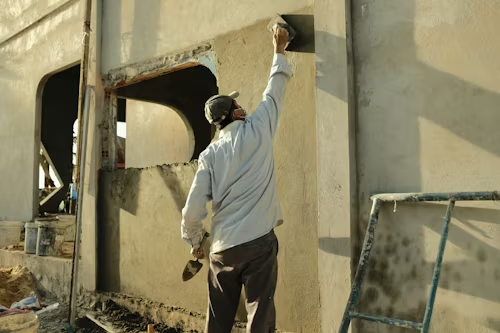
Why Commercial Plastering Remains Essential in Modern Construction
Every commercial building relies on quality interior finishes to create a functional and professional environment.
Walls and ceilings influence how occupants experience a space. Smooth finishes contribute to visual appeal, while properly installed systems support safety, comfort, and performance requirements.
Commercial plastering also plays a critical role in meeting building regulations. Many projects require fire-rated systems, acoustic treatments, moisture-resistant materials, and specialised installations that only trained professionals can provide.
As Melbourne continues expanding through commercial development and urban growth, the demand for skilled plasterers remains strong. Their expertise contributes directly to the success of construction projects across multiple industries.
What Is a Licensed Commercial Plasterer
A licensed commercial plasterer is a trained tradesperson who specialises in plastering work within commercial environments.
Understanding Commercial Projects
Commercial plasterers work on buildings designed for business, public services, education, healthcare, retail, hospitality, and industrial use.
These projects often involve larger scales, more complex requirements, and stricter compliance standards than residential construction.
Working With Advanced Systems
Commercial projects frequently include specialised wall and ceiling systems.
Plasterers may install fire-rated partitions, suspended ceilings, acoustic panels, bulkheads, and architectural features that support both function and design.
Meeting Industry Standards
Professional plasterers must understand construction regulations and project specifications.
Their work contributes to building safety, performance, and long-term durability.
Supporting Construction Teams
Commercial plasterers collaborate with builders, electricians, plumbers, designers, and project managers throughout construction projects.
Strong teamwork is essential for successful outcomes.
Why People Choose a Career in Plastering
Plastering continues attracting individuals seeking practical and rewarding work.
Hands-On Career Opportunities
Many people enjoy careers that involve physical activity and visible achievements.
Plasterers can see the results of their work every day as projects progress from bare structures to finished spaces.
Strong Industry Demand
Construction activity creates ongoing demand for skilled tradespeople.
Plasterers remain important contributors to both new developments and renovation projects.
Career Growth Potential
The trade offers opportunities to move into supervisory roles, estimating positions, project management, and business ownership.
Experience often leads to greater responsibility and higher earning potential.
Variety in Daily Work
No two projects are exactly alike.
Plasterers encounter different building types, materials, challenges, and environments throughout their careers.
How to Become a Plasterer in Australia
Entering the plastering trade involves several important steps.
Learn About the Industry
The first step is understanding what plasterers actually do.
Researching the profession helps individuals determine whether the work matches their interests, strengths, and career goals.
Learning about construction environments, physical requirements, and industry expectations provides valuable insight.
Complete Relevant Training
Formal training provides foundational knowledge and practical skills.
Students learn about plasterboard systems, surface preparation, finishing techniques, workplace safety, construction materials, and installation methods.
Training programs help prepare future plasterers for real-world construction environments.
Gain Practical Experience
Hands-on experience is one of the most important parts of becoming a plasterer.
Working alongside experienced professionals allows new entrants to develop confidence and technical ability.
Practical experience also exposes individuals to different project types and construction scenarios.
Develop Trade Skills
Plastering requires more than technical knowledge alone.
Workers must learn precision, problem-solving, time management, communication, and attention to detail.
These skills improve both workmanship and career progression opportunities.
The Importance of Apprenticeships
Apprenticeships remain one of the most common pathways into the trade.
Learning While Earning
Apprenticeships allow individuals to gain practical experience while receiving income.
This approach combines education with real-world application.
Exposure to Commercial Projects
Apprentices often work on various project types throughout their training.
Exposure to commercial construction helps broaden their understanding of the industry.
Mentorship Opportunities
Experienced tradespeople provide guidance and instruction.
Learning directly from professionals accelerates skill development.
Building Industry Connections
Apprenticeships help individuals establish professional relationships within the construction sector.
These connections can support future career opportunities.
Skills Every Successful Commercial Plasterer Needs
Success in plastering depends on a combination of technical and personal abilities.
Attention to Detail
Commercial finishes must meet high standards.
Small imperfections can become noticeable in completed spaces.
Physical Fitness
Plastering involves lifting materials, working overhead, and performing repetitive movements.
Physical endurance supports productivity and safety.
Problem-Solving Ability
Construction projects often present unexpected challenges.
Effective problem-solving helps maintain progress and quality.
Communication Skills
Plasterers regularly interact with clients, supervisors, and other trades.
Clear communication improves project coordination.
Understanding Commercial Plastering Systems
Commercial plasterers work with a variety of systems.
Plasterboard Partitions
Partition walls divide commercial spaces efficiently.
These systems are widely used in offices, schools, and retail environments.
Suspended Ceilings
Suspended ceilings conceal services while improving acoustics and aesthetics.
They are common throughout modern commercial buildings.
Fire-Rated Installations
Certain walls and ceilings must meet fire safety requirements.
Professional installation ensures compliance.
Acoustic Solutions
Noise control is important in workplaces, educational facilities, and healthcare environments.
Acoustic systems contribute to occupant comfort.
Why Licensing and Compliance Matter
Commercial construction operates under strict regulations.
Protecting Building Occupants
Compliance requirements help ensure buildings remain safe and functional.
Plasterers play a role in meeting these standards.
Maintaining Professional Standards
Licensing and certification processes promote industry quality.
Qualified tradespeople demonstrate competence and accountability.
Supporting Project Approval
Properly completed plastering work helps projects satisfy inspection requirements.
Compliance contributes to successful project completion.
Building Client Confidence
Clients often prefer working with trained and qualified professionals.
Credentials help establish trust and credibility.
Typical Responsibilities of Commercial Plasterers
Commercial plasterers perform a wide range of tasks.
Installing Wall Systems
Partition walls form the foundation of many commercial interiors.
Accurate installation supports functionality and appearance.
Constructing Ceiling Systems
Ceilings contribute significantly to building performance and design.
Commercial plasterers install a variety of ceiling solutions.
Finishing Surfaces
Smooth finishes prepare walls and ceilings for painting and decoration.
High-quality workmanship enhances visual appeal.
Repair and Maintenance Work
Many plasterers also perform repairs, refurbishments, and upgrades in existing buildings.
Working on Commercial Construction Sites
Commercial environments differ from residential projects.
Larger Project Scale
Commercial developments often involve extensive floor areas and multiple levels.
Plasterers must coordinate work efficiently across large spaces.
Team-Based Work
Commercial construction relies heavily on collaboration.
Tradespeople work alongside numerous professionals throughout the project.
Strict Deadlines
Project schedules are often tightly managed.
Meeting deadlines requires effective planning and execution.
Safety Requirements
Commercial sites maintain comprehensive safety procedures.
Workers must follow established protocols at all times.
Career Opportunities Beyond Basic Plastering
Experienced plasterers can pursue several career pathways.
Site Supervisor Roles
Supervisors oversee teams and help coordinate project activities.
Leadership skills become increasingly important.
Estimating and Quoting
Estimators evaluate project requirements and prepare cost assessments.
Practical trade experience supports accurate estimates.
Project Management
Construction experience can lead to broader management opportunities.
Project managers coordinate resources, schedules, and stakeholder communication.
Business Ownership
Many experienced plasterers establish their own companies.
Business ownership offers independence and growth potential.
Challenges and Rewards of the Profession
Like any career, plastering includes both opportunities and challenges.
Physical Demands
The work can be physically intensive.
Maintaining fitness and following safe work practices are important.
Continuous Learning
Construction methods and materials continue evolving.
Ongoing education helps professionals remain competitive.
Sense of Achievement
Plasterers contribute directly to visible project outcomes.
Seeing completed buildings provides a strong sense of accomplishment.
Long-Term Career Stability
Demand for skilled trades remains relatively consistent.
This supports long-term employment opportunities.
The Future of Commercial Plastering in Melbourne
The industry continues evolving alongside construction trends.
Growth in Commercial Development
Melbourne’s expanding economy supports ongoing building activity.
New developments create future demand.
Sustainable Construction Practices
Environmental considerations influence material selection and construction methods.
Plasterers increasingly work with sustainable products.
Advanced Building Technologies
Modern buildings incorporate sophisticated systems and design features.
Tradespeople continue adapting to these innovations.
Continued Need for Skilled Workers
Qualified plasterers remain valuable contributors to construction projects.
Industry demand is expected to continue.
Tips for Building a Successful Plastering Career
Focus on Quality Workmanship
Strong reputations are built through consistent quality.
Attention to detail helps professionals stand out.
Develop Strong Work Habits
Reliability, punctuality, and professionalism contribute to career success.
Employers and clients value dependable tradespeople.
Learn From Experienced Professionals
Mentorship provides valuable insights that cannot always be gained from textbooks.
Practical knowledge accelerates development.
Stay Updated on Industry Changes
Ongoing learning supports long-term career growth.
New materials and methods create opportunities for advancement.
Frequently Asked Questions
How do you become a plasterer in Australia?
Most people enter the trade through formal training and practical experience, often involving apprenticeships or supervised work. Developing technical skills and gaining industry knowledge are essential steps.
Do commercial plasterers need qualifications?
Training and qualifications help prepare individuals for professional work and may be required depending on project requirements and local regulations.
Is plastering a good career choice?
Yes. Plastering offers practical work, strong demand, career progression opportunities, and the potential for business ownership.
Conclusion
Licensed commercial plastering is an important trade that helps shape Melbourne’s offices, retail centres, schools, hospitals, hotels, and commercial developments.
The work requires technical expertise, practical skills, attention to detail, and a commitment to quality. From installing complex wall systems to creating polished finishes, commercial plasterers contribute significantly to the success of modern construction projects.
For individuals wondering how to become a plasterer in Australia, the pathway typically involves training, practical experience, skill development, and ongoing learning. The profession offers opportunities to earn while learning, build valuable expertise, and progress into leadership or business ownership roles over time.
As Melbourne continues growing and commercial construction remains active, licensed plasterers will continue playing a vital role in shaping the city’s built environment. For those seeking a rewarding trade with long-term opportunities, commercial plastering remains a career worth considering.







Leave a Reply