
Creating a beautiful garden that reflects your personal style and meets your outdoor needs requires more than just planting a few flowers and shrubs. Professional garden planning and design services offer a comprehensive approach to turning your garden ideas into reality.
From conceptualising the layout to selecting the right plants, these services ensure that every aspect of your outdoor space is carefully considered and executed. Whether you have a small urban garden or a large backyard, professional garden designers can optimise the use of space, enhance aesthetic appeal, and create a functional garden that suits your lifestyle.
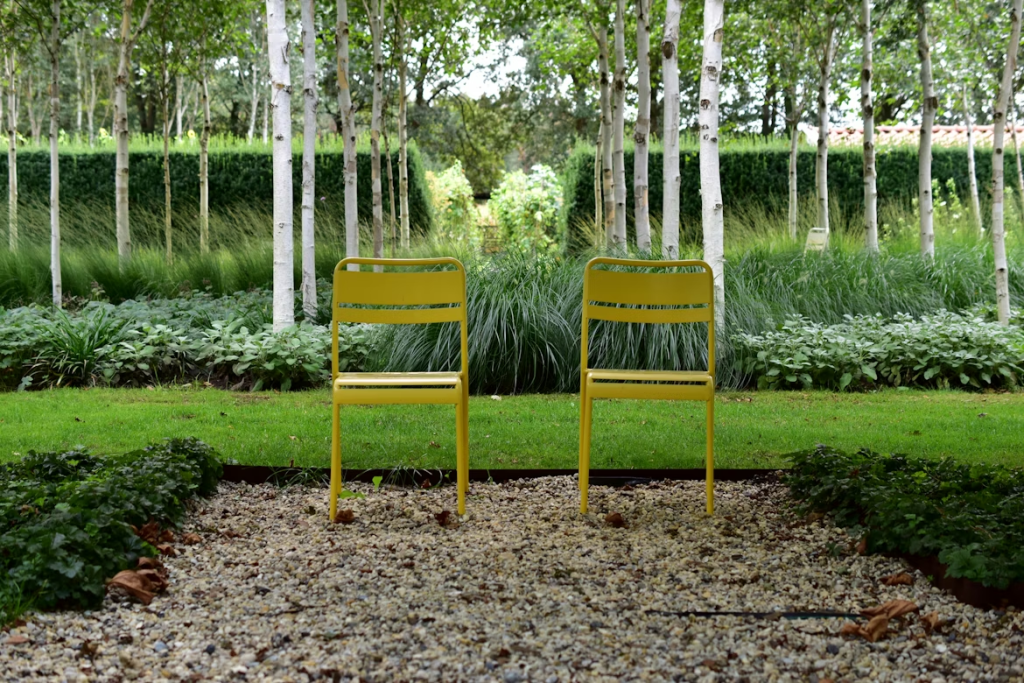
Before embarking on any garden project, it’s essential to understand how long-term care, including mowing and maintenance, will fit into your plans. Many people often ask, how long do lawn mowers last? Understanding this can help you plan your garden’s upkeep. Professional garden planning includes advice on long-term maintenance to keep your garden in top condition for years.
The Benefits of Professional Garden Planning and Design Services
Garden planning and design are not just about making your outdoor space look good; it’s also about making sure it functions well and suits your lifestyle. Professional garden designers take the time to understand your needs and create a customised plan that takes into account your preferences, the land’s characteristics, and your budget.
Tailored Garden Design to Suit Your Needs
Professional garden designers begin by discussing your preferences, your lifestyle, and how you intend to use your garden. Whether you’re looking for a place to relax, entertain guests, or grow vegetables, a garden designer can create a plan that suits your needs.
Customised designs can include elements such as seating areas, pathways, water features, and garden lighting, ensuring that the space is both functional and aesthetically pleasing.
Maximising Space and Enhancing Functionality
One of the key advantages of hiring a professional garden designer is their ability to maximise the use of space. If you have a small yard or an awkwardly shaped area, an experienced designer knows how to make the most of the available space. This may involve clever planting arrangements, using multi-functional furniture, or incorporating vertical gardens or raised beds to optimise your garden’s layout.
Long-Term Planning for Sustainability
A professional garden designer doesn’t just focus on immediate beauty; they also plan for the long-term health and sustainability of your garden.
This includes selecting plants that are appropriate for your climate, using eco-friendly materials, and recommending low-maintenance features that will keep your garden thriving with minimal effort. Long-term sustainability is essential for ensuring your garden continues to flourish for years.
Key Elements of Professional Garden Design
Professional garden design is a detailed process that involves multiple stages. From concept creation to installation, each element plays an important role in achieving a garden that looks beautiful and serves its purpose.
Conceptualisation and Planning
The first step in any garden design process is the conceptualisation stage, where the designer gets a clear understanding of your vision. This involves discussing your preferences, lifestyle, and how you envision using your garden space.
Designers will then create a concept plan, which includes a layout of the garden with key features such as plant types, seating areas, paths, and water elements. This stage also takes into account practical factors like sun exposure, wind patterns, and drainage, ensuring that the garden is not only attractive but functional.
Plant Selection and Placement
One of the most important aspects of garden design is selecting the right plants. Professional designers understand which plants will thrive in specific conditions and how to arrange them for maximum visual impact. They will consider factors such as colour, texture, and seasonal variation to ensure the plants complement each other.
Additionally, they will ensure that plants are placed according to their growth habits and requirements, allowing for optimal health and growth.
Hard Landscaping Elements
In addition to soft landscaping (plants, grass, and trees), hard landscaping involves the installation of physical structures such as paths, patios, decks, fences, and water features. Professional garden designers integrate these elements to create a harmonious outdoor space that meets your functional and aesthetic needs.
Whether it’s a stone pathway leading to a seating area or a custom-designed deck for outdoor dining, hard landscaping adds structure and definition to the garden.
Garden Lighting and Accessories
The right lighting can transform your garden, highlighting its beauty at night and creating an inviting atmosphere. Professional garden designers can recommend outdoor lighting solutions that enhance key features like trees, sculptures, or garden paths. In addition to lighting, accessories such as outdoor furniture, planters, and sculptures can add personality and style to your space.
The Garden Design Process: From Concept to Completion
Professional garden planning and design services involve a series of steps that take your ideas from concept to reality. Let’s break down the process in more detail.
Initial Consultation and Site Survey
The garden design process begins with an initial consultation. During this meeting, the designer will discuss your preferences, budget, and goals for the garden.
They will also assess the site, taking measurements and noting important details such as soil quality, drainage, and sunlight exposure. The designer will also consider existing features, such as trees or structures, and work these into the new design.
Creating the Garden Design Plan
After the initial consultation and site survey, the designer will create a detailed garden design plan. This plan will include a layout of the garden, plant selections, hard landscaping elements, and any other features such as water features, lighting, and seating areas. Once the design is completed, the designer will present it to you for feedback and make any necessary adjustments before moving forward.
Planting and Installation
Once the design is finalised, the next step is the installation phase. The designer will oversee the planting of trees, shrubs, flowers, and grass, as well as the installation of hard landscaping features. This is when your garden starts to take shape, and the elements come together. Depending on the complexity of the design, the installation phase may take several days to complete.
Ongoing Maintenance and Support
After the garden is installed, many garden designers offer ongoing maintenance services to ensure that your garden continues to thrive. This can include tasks such as pruning, watering, and fertilising, as well as general garden upkeep. Ongoing support ensures that your garden remains healthy and looks its best throughout the year.
How Professional Garden Design Helps with Garden Maintenance
One of the often-overlooked aspects of garden design is how it affects long-term maintenance. A well-designed garden not only looks great but is easier to maintain. By choosing the right plants, implementing efficient irrigation systems, and using low-maintenance materials, garden designers help reduce the time and effort required to keep the garden in top shape.
Low-Maintenance Planting
Professional garden designers select plants that are well-suited to your climate and require minimal upkeep. This might involve choosing native plants that are adapted to local conditions, drought-resistant species, or low-maintenance ground covers that reduce the need for frequent weeding.
Efficient Irrigation Systems
A professional designer can also recommend or install an efficient irrigation system to ensure that your plants receive the right amount of water. This not only helps your plants thrive but also saves you time and water. Drip irrigation systems and automated sprinklers ensure that your garden receives consistent watering without the need for manual intervention.
Why Hire a Professional Garden Designer?
There are many benefits to hiring a professional garden designer to create and plan your garden. These experts bring knowledge, experience, and creativity to the table, ensuring that your garden is both beautiful and functional.
Expertise and Experience
A professional garden designer has extensive knowledge of plants, landscaping materials, and design principles. They are able to take into account factors that you may not have considered, such as soil quality, sun exposure, and wind patterns. Their expertise ensures that your garden is not only aesthetically pleasing but also practical and sustainable.
Saving Time and Effort
Designing and installing a garden can be time-consuming, especially if you are unfamiliar with the process. Hiring a professional garden designer saves you the time and effort of figuring out the best design, sourcing plants, and overseeing the installation. This allows you to focus on enjoying your garden instead of worrying about the details.
Maximising Your Investment
A professionally designed garden adds value to your property. Whether you’re planning to sell your home or simply want to improve the outdoor living space, a well-designed garden enhances the appeal of your property. Designers know how to create a garden that maximises your space and makes the most of your budget.
Frequently Asked Questions
How long does it take to design and install a garden?
The timeline for garden design and installation varies depending on the size and complexity of the project. A basic design may take a few weeks to complete, while larger, more detailed projects could take several months.
Can a garden designer help me with garden maintenance?
Yes, many garden designers offer ongoing maintenance services to ensure that your garden continues to thrive. They can provide regular visits for tasks such as pruning, watering, and general upkeep.
How much does professional garden design cost?
The cost of professional garden design depends on several factors, including the size of the garden, the complexity of the design, and the materials used. It’s best to consult with a designer for a tailored quote based on your specific needs.
Conclusion
Professional garden planning and design services are invaluable for anyone looking to transform their outdoor space into a functional, beautiful garden. With expert advice, tailored designs, and long-term maintenance solutions, these services ensure that your garden meets both your aesthetic and practical needs.
Whether you’re starting from scratch or updating an existing space, a professional garden designer can help you create the garden of your dreams, adding both value and enjoyment to your home.





Leave a Reply