
In today’s fast-paced world, creating a peaceful, serene space at home is essential for well-being. One way to bring that tranquillity into your living space is by bringing tranquility to your home with sacred sculptures.
Sacred sculptures, whether depicting deities from various spiritual traditions or abstract symbols of peace, carry profound meanings and can evoke a sense of calm, mindfulness, and spiritual connection.
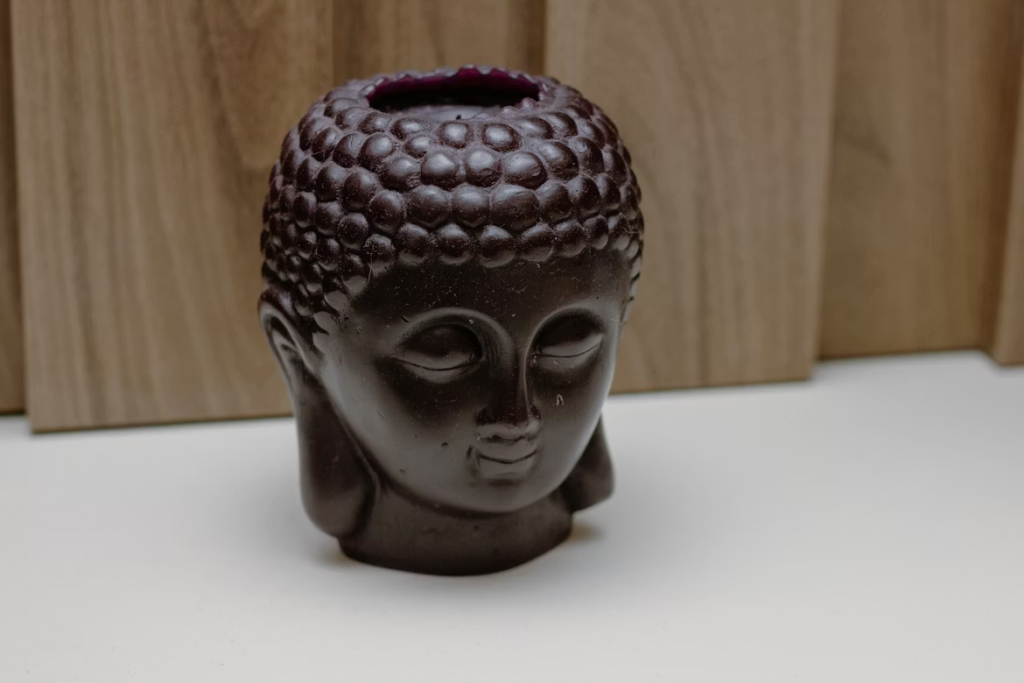
When considering sacred sculptures, understanding their deep-rooted symbolism can enrich the experience. For example, the beliefs of Buddhism are deeply connected to sculptures of Buddha, which embody values such as compassion, wisdom, and inner peace.
In this article, we will explore how sacred sculptures can transform your home into a sanctuary of tranquillity, the different types of sacred sculptures to consider, and how to incorporate them into your space.
The Power of Sacred Sculptures in Creating Peaceful Spaces
Infusing Your Home with Positive Energy
Sacred sculptures carry more than just aesthetic appeal. They have the power to transform the energy of a room, infusing it with a sense of calm, serenity, and spiritual awareness. These pieces are often imbued with the energy of the deity, symbol, or concept they represent, creating a positive atmosphere in any home.
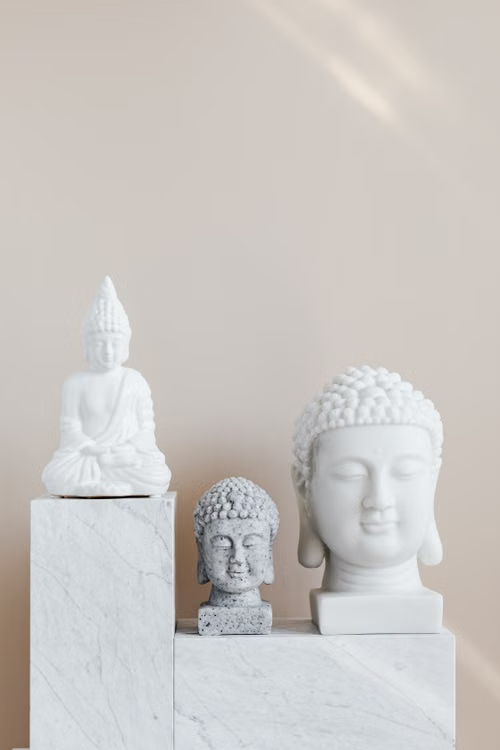
For example, a Buddha sculpture is known for promoting peace and mindfulness. The serene expression on the Buddha’s face, along with the symbolic mudras (hand gestures), represents stillness and reflection. Placing such a sculpture in your living room or meditation area can encourage inner calm, focus, and emotional balance. The same effect applies to other sacred sculptures from various spiritual traditions.
These sculptures act as reminders of your spiritual values, offering not only a sense of peace but also an opportunity to connect to something greater than yourself. Incorporating these sacred pieces in your home will invite harmonious energy and foster a space conducive to mental and emotional well-being.
Creating a Sacred Space for Reflection and Meditation
When you bring tranquility to your home with sacred sculptures, you are also setting the stage for creating a dedicated space for meditation, prayer, or reflection.
A meditation corner, furnished with spiritual art, provides a physical space that invites inner stillness. Sacred sculptures like Buddha statues, Hindu deities, or spiritual symbols act as focal points in these spaces, guiding you into deeper states of contemplation.
Whether you set up a dedicated meditation room or carve out a quiet corner in your home, placing sacred sculptures in these spaces provides the visual and energetic support needed to deepen your spiritual practice. These sculptures are not just beautiful objects—they are tools that help you focus your mind and spirit, allowing you to cultivate a more peaceful state of being.
Types of Sacred Sculptures to Enhance Your Space
Buddha Sculptures: Representing Peace and Enlightenment
One of the most common and impactful forms of sacred sculptures is the Buddha statue. Buddha sculptures are available in various poses, each with specific symbolism.
Seated Buddha
The seated Buddha is often depicted in meditation, with his hands resting in a specific mudra (hand gesture). The Dhyana Mudra, for instance, symbolises meditation, concentration, and the path to inner peace. The seated Buddha is perfect for creating a calm environment in meditation spaces or any room where you seek peace and balance.
This iconic image of Buddha encourages stillness and reflection, making it a perfect addition to spaces designed for relaxation or spiritual practice.
Standing Buddha
The standing Buddha typically features one hand raised in a gesture of protection or blessing, with the other offering teachings or holding a symbolic object. This pose signifies Buddha’s role as a protector, guiding people toward compassion, peace, and enlightenment.
A standing Buddha sculpture is ideal for spaces like entryways or living rooms, where it can act as a powerful symbol of protection and positive energy, welcoming good fortune and dispelling negativity.
Hindu Deity Sculptures: Symbols of Power, Protection, and Wisdom
Hindu deity sculptures are another powerful way to bring tranquillity to your home. Hinduism features a vast pantheon of gods and goddesses, each representing different aspects of life. Sculptures of deities such as Lord Ganesha, Lord Shiva, and Goddess Lakshmi can help evoke specific energies in your home.
Lord Ganesha Sculptures
Lord Ganesha, the elephant-headed god, is known as the remover of obstacles and the bringer of good fortune. A Lord Ganesha sculpture is commonly placed in entryways, offices, or homes to promote success, remove barriers, and encourage prosperity. Ganesha’s joyful expression and elephant form make him a popular and beloved figure in spiritual art.
A Ganesha sculpture can be particularly useful for welcoming new beginnings, both spiritually and materially, into your home.
Lord Shiva Sculptures
Lord Shiva, the god of destruction and transformation, is depicted in various poses, including the iconic Nataraja dance, which represents the cosmic cycle of creation, preservation, and destruction. A Shiva sculpture can serve as a reminder of the cyclical nature of life, helping you embrace change and spiritual growth.
Shiva sculptures are ideal for spaces where you wish to invite transformation and inner strength. The energy of Lord Shiva is associated with overcoming negative forces and embracing renewal, making his statues powerful additions to spaces dedicated to personal growth.
Goddess Lakshmi Sculptures
Goddess Lakshmi, the goddess of wealth, prosperity, and abundance, is often depicted with multiple arms, holding lotus flowers or gold coins. A Lakshmi sculpture is commonly placed in homes or businesses to attract financial success and spiritual well-being.
The goddess’s grace and symbolism of abundance make her a popular choice for those looking to invite good fortune and material blessings into their lives.
Mandala Sculptures: Sacred Geometry and Spiritual Harmony
Mandalas are geometric designs that represent the universe, interconnectedness, and unity. Mandala sculptures often feature intricate patterns, symmetries, and shapes, symbolising the cyclical nature of life and the divine order of the universe.
These sculptures are often used in meditation and prayer, as the circular form helps to focus the mind and evoke a sense of harmony. A mandala sculpture in your home serves as both a spiritual and aesthetic piece, adding calm and structure to your surroundings.
Mandalas are particularly effective in spaces meant for reflection, such as meditation rooms, yoga studios, or quiet corners where you seek a deeper connection to your inner self.
How to Incorporate Sacred Sculptures Into Your Home
Creating a Focal Point in Your Living Room or Entryway
One of the most effective ways to bring tranquility to your home with sacred sculptures is by placing them in prominent areas such as the living room or entryway. For example, a Buddha statue in the entryway can serve as a welcoming figure, inviting peace and positive energy into your home.
Placing sacred sculptures in these spaces can also act as conversation starters, as visitors may be drawn to the symbolism and significance of the pieces. Ensure that the sculpture is placed in an area where it can be easily admired, such as a mantelpiece, shelf, or altar.
Setting Up a Meditation or Spiritual Corner
If you have a designated meditation space, a sacred sculpture can be the centrepiece that grounds the area. Choose a Buddha sculpture or Hindu deity statue that resonates with your spiritual practice. Surround it with candles, incense, or soft lighting to create a peaceful and inviting atmosphere. This space should be free from distractions, encouraging focus and reflection.
If you don’t have a dedicated room for meditation, you can easily carve out a small corner of your living space for your sacred sculpture. A comfortable chair, soft lighting, and your sculpture can create a peaceful nook for spiritual practice.
Pairing Sacred Sculptures with Other Spiritual Decor
Sacred sculptures work beautifully with other spiritual décor elements. Consider pairing your sculpture with elements such as crystals, prayer flags, or spiritual books to enhance the energy of the space. The combination of a Buddha sculpture and a set of prayer candles, for example, can create a serene environment for relaxation or mindfulness.
Incorporate colours and materials that complement the energy of the sculpture. Soft, natural colours like earth tones, blues, and whites can help enhance the peaceful ambiance in the room, while metallic sculptures of gods like Lord Ganesha or Lord Shiva add a touch of elegance and refinement.
The Benefits of Sacred Sculptures in Your Home
Promoting Inner Peace and Balance
By bringing tranquility to your home with sacred sculptures, you create a peaceful space where inner balance and calm can flourish. These pieces are not just ornamental—they act as catalysts for spiritual growth, mindfulness, and emotional balance. The presence of a Buddha statue or Hindu deity can encourage self-reflection and promote a sense of peace in your home.
Connecting with Spiritual Traditions
Sacred sculptures allow you to connect with the spiritual traditions that have shaped human history. Whether it’s the Buddhist path to enlightenment, the Hindu teachings of prosperity and protection, or the universal themes of love and compassion, these sculptures offer a constant reminder of the values and wisdom that transcend time and place.
Inviting Positive Energy into Your Space
The energy associated with sacred sculptures can help dispel negativity and invite positivity into your home. Sculptures of deities like Lord Ganesha or Goddess Lakshmi are particularly known for their ability to attract good fortune, while Buddha statues promote inner peace and serenity.
By incorporating these sacred pieces, you are not just enhancing the physical space but inviting spiritual blessings and harmony into your daily life.
Frequently Asked Questions
What is the significance of a Buddha statue in the home?
A Buddha statue represents the qualities of peace, mindfulness, and compassion. It serves as a reminder of the path to enlightenment, helping to bring calm, wisdom, and focus into the home. Buddha statues are often placed in meditation spaces or living rooms to create a peaceful, reflective environment.
Where is the best place to put a Hindu sculpture in the home?
Hindu sculptures, such as those of Lord Ganesha or Goddess Lakshmi, are often placed in areas where you want to invite prosperity, protection, and good fortune. They can be placed near the entrance, in living rooms, or offices. For example, Lord Ganesha is commonly placed at entryways to remove obstacles and bring good luck.
How do I take care of sacred sculptures?
Taking care of sacred sculptures depends on the material. Wooden sculptures should be dusted regularly and polished occasionally, while stone or marble sculptures may need gentle cleaning with a soft cloth. Avoid using harsh chemicals and keep the sculpture out of direct sunlight to preserve its finish.
Conclusion
By bringing tranquility to your home with sacred sculptures, you invite positive energy, peace, and spiritual depth into your living space. Whether through the calm presence of a Buddha statue or the protective energy of a Hindu deity, these pieces offer both aesthetic beauty and profound meaning.
Incorporating them into your home allows you to create a sanctuary where mindfulness, reflection, and spiritual connection can thrive. Choose the sacred sculpture that resonates most with your spiritual journey, and enjoy the tranquillity it brings to your space.





Leave a Reply