
Weeds can create serious challenges across commercial properties, from office complexes and industrial sites to retail centres, warehouses, strata developments, and large managed landscapes. Left untreated, weeds can affect property presentation, pose safety risks, damage surfaces, disrupt operations, and increase long-term maintenance costs.
This often leads property owners and facility managers to ask a common question: What is the strongest commercial weedkiller?
The answer may seem simple, but effective commercial weed control is rarely about using the strongest chemical available. In practice, the most effective weed control often comes from choosing the right treatment for the weed species, applying it correctly, using preventive strategies, and integrating broader site management practices.
In many cases, the best commercial weed control solution is based on precision, strategy, and long-term prevention rather than chemical strength alone.
This guide explores Commercial Weed Control in depth, answers the question of which commercial weedkillers are most effective, and explains how professional weed management delivers safer, cleaner, and more sustainable results across commercial environments.
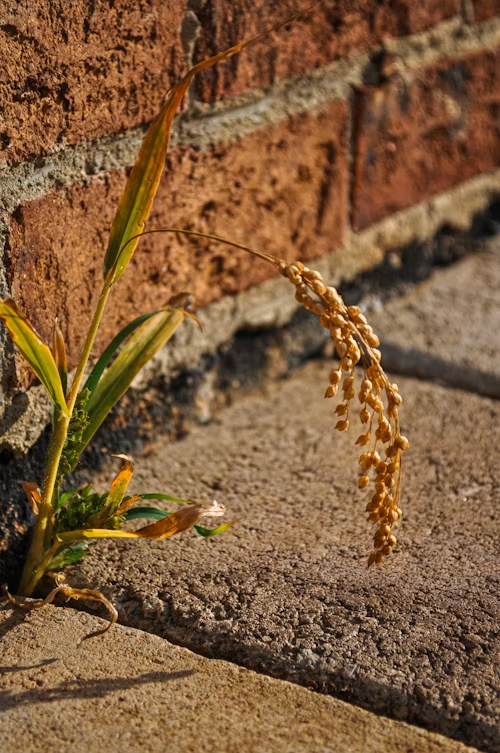
Understanding Commercial Weed Control
Commercial weed control refers to the management of unwanted vegetation across business, industrial, municipal, and large-scale managed properties.
Where Commercial Weed Problems Commonly Occur
Weeds often appear in car parks, loading zones, footpaths, perimeter fencing, industrial yards, open land, drainage corridors, commercial gardens, and hardscape surfaces.
Different areas often require different control methods.
Why Commercial Weed Problems Can Be More Complex
Commercial properties often involve larger treatment areas, varied surfaces, public safety considerations, and compliance requirements.
These factors can make weed control more complex than residential treatment.
Why Effective Weed Control Requires a Strategy
Commercial weed control often depends on integrated management rather than relying on a single product.
Long-term success usually comes from a broader strategy.
What Is the Strongest Commercial Weedkiller
The strongest commercial weedkiller is not always the best weed control solution. Effectiveness often depends more on proper treatment selection and application than raw product strength.
Strength Does Not Always Mean Better Control
Using a stronger product does not automatically guarantee better results.
Incorrect treatment or poor application can still lead to failure.
The Best Commercial Weedkiller Depends on the Weed Problem
Different weeds respond to different treatments.
Persistent perennials, broadleaf weeds, grassy weeds, and invasive species may require different solutions.
Precision Often Matters More Than Product Strength
Correct identification, timing, and application technique often have a greater impact than simply choosing the strongest formulation.
Types of Commercial Weedkillers
Commercial weed control may involve several categories of treatment.
Selective Commercial Weedkillers
Selective treatments target certain weeds while preserving surrounding desirable vegetation.
These are often used in managed landscapes.
Non-Selective Commercial Weedkillers
Non-selective treatments affect most vegetation and may be used in hardscape areas or severe infestations.
Careful application is critical.
Systemic Commercial Weedkillers
Systemic treatments move through the plant and may help target root systems.
These can be useful for persistent weeds.
Contact Commercial Weedkillers
Contact treatments affect the plant tissue they touch.
They may have specific uses, but they may not always provide long-term root control.
Why the Strongest Chemical Is Not Always the Best Solution
Commercial weed control often prioritises performance, safety, and long-term outcomes.
Overreliance on Strength Can Create Problems
Stronger chemical use without a strategy may increase risks without improving results.
Treatment Matching Is More Effective Than Product Escalation
Choosing the right product for the weed often matters more than choosing the strongest available.
Integrated Management Often Outperforms Chemical-Only Approaches
Combining multiple control methods often delivers stronger outcomes.
Pre-Emergent Commercial Weed Control Solutions
Prevention is often part of professional commercial weed management.
What Pre-Emergent Treatments Do
These treatments help prevent weed seeds from germinating.
They reduce future infestations.
Why Preventive Programs Matter for Commercial Sites
Preventing weeds can reduce maintenance costs and disruption.
Common Commercial Uses for Pre-Emergent Control
These treatments may be used in landscape zones, open areas, and managed grounds.
Post-Emergent Commercial Weed Control Solutions
Established weeds often require direct treatment.
What Post-Emergent Treatments Do
These solutions target actively growing weeds.
Why Timing Matters
Treating weeds at the right growth stage often improves results.
Why Follow-Up Treatments May Be Needed
Persistent weeds may require repeated applications.
Integrated Commercial Weed Management
The most effective commercial weed control often uses multiple strategies.
Chemical and Non-Chemical Solutions
Integrated management may combine herbicide treatments with physical and preventive methods.
Site Maintenance Supports Weed Control
Property upkeep can reduce conditions that encourage weed growth.
Long-Term Planning Improves Results
Ongoing programs often outperform reactive treatments.
Common Commercial Areas Requiring Weed Control
Different commercial spaces often require different approaches.
Car Parks and Hard Surfaces
Weeds in paved areas often require targeted treatment.
Industrial Sites
Operational environments may require specialised weed management.
Commercial Landscapes
Managed gardens and grounds often need selective treatment solutions.
Vacant and Open Land
Larger areas may require broader management strategies.
Common Mistakes in Commercial Weed Control
Some practices reduce effectiveness.
Using the Wrong Treatment
Incorrect product selection often leads to poor results.
Treating Without Weed Identification
Different weeds often require different solutions.
Ignoring Prevention
Reactive treatment without prevention often leads to recurring infestations.
Inconsistent Maintenance Programs
Irregular management can reduce long-term success.
Factors That Affect Commercial Weedkiller Performance
Several factors influence treatment results.
Weed Species
Different weeds respond differently to treatment.
Growth Stage
Young and mature weeds may respond differently.
Environmental Conditions
Weather can affect treatment performance.
Application Quality
How treatment is applied often influences outcomes.
Safety and Compliance in Commercial Weed Control
Commercial weed management often involves additional considerations.
Public Safety Matters
Treatment practices should account for people accessing the property.
Protecting Surrounding Vegetation
Precision helps reduce unintended damage.
Environmental Responsibility Matters
Responsible application supports broader site stewardship.
Compliance Requirements May Apply
Commercial properties may have operational or regulatory considerations.
Professional Commercial Weed Control Services
Many businesses rely on professional support.
Property Assessment
Professionals evaluate weeds, risks, and treatment needs.
Customized Treatment Programs
Solutions are often tailored to the property.
Precision Application
Professional treatment often improves accuracy.
Ongoing Monitoring
Monitoring helps identify follow-up needs.
Benefits of Professional Commercial Weed Control
Professional services offer several advantages.
Better Weed Identification
Correct diagnosis improves treatment selection.
Improved Application Accuracy
Professional methods often improve precision.
Integrated Long-Term Management
Professionals often combine multiple control strategies.
Reduced Operational Disruption
Planned programs can help reduce unexpected weed-related problems.
Are Stronger Commercial Weedkillers Ever Necessary
Some situations may require specialised solutions.
Severe Invasive Infestations
Persistent or invasive weeds may require advanced treatment.
Difficult Industrial Environments
Some sites may require more specialised approaches.
Why Specialised Treatment Should Still Be Strategic
Even advanced treatment should be guided by proper planning.
Choosing the Right Commercial Weed Control Approach
The best solution depends on several factors.
Consider the Weed Problem
Treatment should match the weed species and infestation severity.
Consider the Property Type
Different commercial environments may require different strategies.
Consider Long-Term Goals
Short-term removal and long-term prevention may require different approaches.
Consider Professional Support
Complex weed problems often benefit from expert guidance.
Future Trends in Commercial Weed Control
Weed management continues evolving.
Precision Application Technologies
Targeted treatment systems are improving efficiency.
Sustainable Commercial Weed Management
Environmentally conscious solutions continue expanding.
Smart Monitoring Systems
Technology is improving detection and treatment timing.
Integrated Property Health Programs
Weed control is increasingly linked to broader site management.
Frequently Asked Questions
What is the strongest commercial weedkiller?
The strongest commercial weedkiller is not necessarily the most effective solution. The best results often come from using the right treatment for the weed problem and applying it correctly.
Is a stronger weedkiller better for commercial properties?
Not always. Precision, proper selection, and integrated management often matter more than product strength alone.
Should commercial properties use professional weed control services?
Professional services often improve treatment accuracy, long-term results, and property management efficiency.
Conclusion
The strongest commercial weedkiller is not always the best answer to commercial weed problems. Effective commercial weed control usually comes from selecting the right treatment for the weed, applying it properly, integrating preventive strategies, and supporting treatment with long-term property management.
Whether managing weeds in industrial sites, car parks, commercial landscapes, or open land, stronger results often come from smarter solutions rather than simply stronger chemicals. Integrated commercial weed control focuses on performance, precision, safety, and sustainability.
For businesses seeking cleaner, safer, and more reliable property maintenance, effective commercial weed control begins with strategic planning, not simply asking which weedkiller is strongest.







Leave a Reply