
Urban living continues to expand, and with it comes an often-overlooked by-product: organic waste from gardens, parks, and landscaping activities. From fallen branches to lawn clippings, green waste accumulates quickly, especially in regions where outdoor spaces are integral to daily life.
While it may appear harmless, improper handling of this waste can contribute to environmental strain, increased landfill pressure, and missed opportunities for resource recovery.
In many communities, there is growing awareness around sustainable practices, yet green waste is still frequently disposed of in inefficient ways. Homeowners, businesses, and local councils are now rethinking how organic materials are managed, aiming to reduce environmental impact while improving efficiency.
This shift reflects a broader movement towards circular economy principles, where waste is not simply discarded but repurposed into valuable resources.
Green waste removal plays a critical role in this transformation, offering structured and environmentally responsible methods to collect, process, and recycle organic materials. By integrating proper disposal systems with composting and recycling initiatives, communities can significantly reduce landfill dependency and promote healthier ecosystems.
The importance of addressing green waste effectively extends beyond environmental benefits. It also influences urban aesthetics, public health, and long-term sustainability goals. As more individuals recognise the value of responsible waste management, understanding the systems and strategies behind green waste removal becomes increasingly essential.
The Growing Challenge of Green Waste in Modern Environments
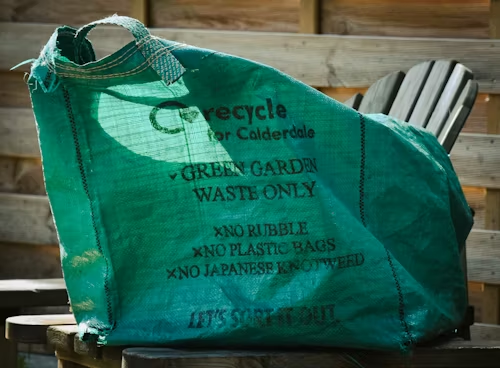
Green waste is often underestimated because it is biodegradable, leading many to assume it poses little threat. However, when disposed of incorrectly, it can contribute to methane emissions in landfills, a potent greenhouse gas. This issue is particularly relevant in urban areas where large volumes of organic waste are generated regularly.
The Scale of Organic Waste Production
Households alone contribute significant amounts of green waste through gardening activities. Seasonal changes further amplify this, with autumn leaves and spring pruning adding to the volume. Commercial landscaping operations and public parks increase the scale even further, making efficient management systems essential.
Environmental Impacts of Improper Disposal
When green waste ends up in landfill sites, it decomposes anaerobically, producing methane rather than carbon dioxide. This accelerates climate change and undermines sustainability efforts. Additionally, landfill overflow can lead to soil and water contamination, affecting nearby ecosystems.
Missed Opportunities for Resource Recovery
Organic materials are valuable when processed correctly. Composting green waste can enrich soil, reduce the need for chemical fertilisers, and support agricultural productivity. Failing to recycle these materials represents a loss of potential environmental and economic benefits.
Urban Expansion and Waste Pressure
As cities grow, green spaces are often maintained through landscaping, increasing the volume of organic waste. Without effective removal and recycling systems, urban infrastructure can struggle to keep up with demand, leading to inefficiencies and environmental concerns.
Efficient Systems Behind Green Waste Removal
A well-organised approach to green waste removal ensures that organic materials are handled responsibly from collection to processing. These systems are designed to minimise environmental impact while maximising resource recovery.
Collection and Segregation Methods
Proper segregation at the source is essential. Households and businesses are encouraged to separate green waste from general rubbish, allowing for more efficient processing. Dedicated bins and scheduled collection services streamline this process.
Transportation and Logistics
Transporting green waste requires careful planning to reduce carbon emissions and operational costs. Efficient routing and the use of specialised vehicles ensure that waste is collected and delivered to processing facilities without unnecessary delays.
Processing Techniques
Once collected, green waste is processed through methods such as composting and mulching. Composting breaks down organic material into nutrient-rich soil additives, while mulching converts waste into protective ground cover for gardens and landscapes.
Integration with Recycling Initiatives
Modern waste management systems integrate green waste removal with broader recycling programmes. This holistic approach ensures that all types of waste are managed sustainably, reducing landfill reliance and promoting environmental responsibility.
Benefits of Sustainable Green Waste Practices
Adopting sustainable methods for handling green waste offers numerous advantages that extend beyond environmental protection.
Soil Health Improvement
Compost derived from green waste enhances soil structure, improves water retention, and supports plant growth. This reduces the need for synthetic fertilisers and promotes healthier ecosystems.
Reduction of Greenhouse Gas Emissions
Diverting organic waste from landfills significantly lowers methane emissions. This contributes to climate change mitigation efforts and aligns with global sustainability goals.
Economic Advantages
Recycling green waste can create cost savings for councils and businesses. It also generates opportunities for industries focused on compost production, landscaping materials, and environmental services.
Enhanced Community Awareness
Sustainable waste management initiatives encourage community participation and education. As awareness grows, individuals are more likely to adopt environmentally friendly practices in their daily lives.
Practical Approaches for Households and Businesses
Effective green waste management begins at the individual and organisational level. Simple changes can make a significant difference in reducing environmental impact.
Home Composting Solutions
Households can manage a portion of their green waste through composting. This reduces the volume of waste requiring collection and provides a valuable resource for gardening.
Professional Removal Services
For larger volumes of waste, professional green waste removal services offer convenient and efficient solutions. These services ensure that materials are processed responsibly and in compliance with environmental standards.
Seasonal Waste Management Planning
Planning for seasonal changes helps manage fluctuations in green waste production. Preparing for peak periods such as autumn or spring can prevent overflow and inefficiencies.
Business and Commercial Strategies
Businesses, particularly those in landscaping and property management, benefit from structured waste management plans. Partnering with reliable removal services ensures consistent and sustainable disposal practices.
Innovations Shaping the Future of Green Waste Management
Technological advancements and innovative approaches are transforming how green waste is managed, making processes more efficient and environmentally friendly.
Advanced Composting Technologies
Modern composting systems use controlled environments to accelerate decomposition, producing high-quality compost in shorter timeframes. These technologies improve efficiency and scalability.
Waste-to-Energy Solutions
Some green waste can be converted into energy through processes such as anaerobic digestion. This not only reduces waste but also contributes to renewable energy production.
Digital Tracking and Management Systems
Technology is being used to monitor waste collection and processing. Digital systems improve efficiency, reduce costs, and provide valuable data for decision-making.
Community-Based Initiatives
Local programmes encourage residents to participate in green waste recycling efforts. Community composting projects and educational campaigns foster collective responsibility and engagement.
Frequently Asked Questions
What qualifies as green waste?
Green waste includes organic materials such as grass clippings, leaves, branches, and garden trimmings. It does not typically include food waste unless specified by local guidelines.
Why is proper green waste removal important?
Proper removal prevents harmful emissions, reduces landfill use, and allows organic materials to be recycled into useful products like compost and mulch.
Can all green waste be composted?
Most green waste can be composted, but certain materials like treated wood or invasive plant species may require special handling. Local regulations often provide guidance on acceptable materials.
Conclusion
Managing organic waste effectively is no longer optional but essential in a world facing environmental challenges and resource limitations. Green waste removal serves as a cornerstone of sustainable waste management, offering practical solutions that benefit both the environment and society.
By embracing responsible practices and supporting innovative systems, individuals and communities can transform what was once considered waste into a valuable resource, contributing to a more sustainable and resilient future.






Leave a Reply