
A clean yard does more than improve the appearance of a property. It reflects care, supports plant health, and creates a safe and enjoyable outdoor environment. Yet, maintaining a debris-free yard is not always easy.
Leaves, branches, grass clippings, fallen fruit, weeds, and general organic waste can accumulate quickly, especially after storms, seasonal changes, or ongoing landscaping work. Without proper management, this buildup can lead to pest problems, poor drainage, and even long-term damage to lawns and garden beds.
This is where yard debris cleaning becomes essential. Whether you are a homeowner managing your own outdoor space or a professional offering maintenance services, understanding how to clean debris from a yard efficiently and thoroughly is key to achieving lasting results.
Cleaning yard debris is not simply about removing visible clutter. It involves a structured process that includes assessment, collection, sorting, disposal, and sometimes reuse of organic materials. Each step requires the right approach, tools, and awareness of environmental considerations.
In this comprehensive guide, we will explore how Yard Debris Cleaning can be done using practical, effective, and sustainable methods. From understanding different types of debris to choosing the right tools and techniques, this article provides detailed insights to help you maintain a clean and healthy outdoor space.
Understanding Yard Debris and Its Impact
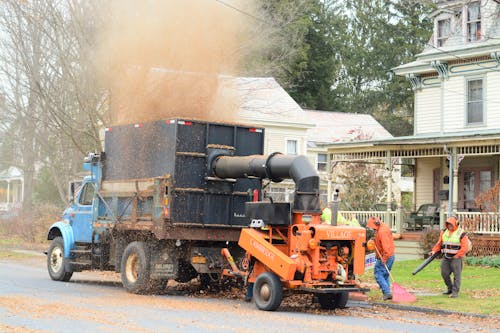
Before diving into cleaning methods, it is important to understand what yard debris consists of and how it affects your outdoor environment.
Types of Yard Debris
Yard debris includes a wide range of organic and non-organic materials. Common examples are fallen leaves, twigs, branches, grass clippings, weeds, and plant trimmings. In some cases, debris may also include soil displacement, mulch remnants, or even small amounts of litter.
Each type of debris requires a slightly different approach to removal. For example, lightweight leaves can be blown or raked easily, while heavier branches may need to be cut or lifted manually.
Why Debris Accumulates
Debris accumulation is influenced by several factors, including seasonal changes, weather conditions, and the type of vegetation in the yard. Storms and strong winds can scatter branches and leaves across large areas, while regular lawn maintenance can produce ongoing waste such as clippings and trimmings.
Understanding the source of debris helps in planning effective cleaning strategies.
Effects of Unmanaged Debris
Leaving debris unattended can lead to multiple problems. Organic waste can trap moisture, creating an environment for mould and fungal growth. It can also attract pests such as insects and rodents. In addition, debris can block sunlight and air circulation, negatively affecting plant health.
Regular cleaning prevents these issues and supports a healthier landscape.
How to Clean Debris from a Yard
Cleaning yard debris effectively involves a step-by-step process that ensures thorough removal and proper handling.
Initial Assessment of the Yard
The first step is to assess the condition of the yard. Identify areas with heavy debris buildup, note any obstacles, and determine the types of materials present. This helps in selecting the right tools and planning the cleaning process.
Clearing Large Debris First
Start by removing large items such as branches, sticks, and bulky waste. These can obstruct movement and make it harder to clean smaller debris later. Collect and stack them in a designated area for disposal or recycling.
Raking and Gathering Smaller Debris
Once large items are cleared, use a rake to gather leaves, grass clippings, and smaller debris into piles. Work systematically across the yard to ensure even coverage.
Using Blowers for Efficiency
Leaf blowers can speed up the process by moving debris into centralised piles. This is especially useful for larger yards or areas with light debris.
Collecting and Bagging
After gathering debris into piles, collect it using bags, bins, or containers. Ensure that bags are strong enough to handle the weight and volume of the material.
Final Cleanup and Inspection
Inspect the yard for any remaining debris and perform a final cleanup. This step ensures a neat and thorough result.
Tools and Equipment for Yard Debris Cleaning
Having the right tools can make the cleaning process more efficient and less physically demanding.
Basic Hand Tools
Rakes are essential for gathering leaves and small debris. Shovels can be used for heavier materials such as soil or mulch. Pruning shears are useful for cutting branches into manageable sizes.
Powered Equipment
Leaf blowers are ideal for clearing large areas quickly. Garden vacuums can collect and store debris, reducing the need for manual handling. Mulchers can break down organic material into smaller pieces for reuse.
Containers and Disposal Tools
Durable bags, bins, and wheelbarrows help transport debris efficiently. Using the right containers prevents spills and makes disposal easier.
Safety Gear
Gloves, protective eyewear, and sturdy footwear are important for safety. They protect against sharp objects, dust, and potential hazards.
Sorting and Managing Debris
Proper sorting of debris improves disposal efficiency and supports environmental practices.
Organic Versus Non-Organic Materials
Separate organic materials, such as leaves and branches, from non-organic waste like plastic or metal. This allows for appropriate disposal methods.
Reusable Materials
Some debris can be reused in the garden. Leaves and grass clippings can be composted, while branches can be chipped into mulch.
Hazardous Waste
Certain materials may require special handling. Avoid mixing them with regular yard waste.
Disposal Methods for Yard Debris
Choosing the right disposal method is an important part of the cleaning process.
Green Waste Collection Services
Many areas offer green waste collection, allowing residents to dispose of organic debris responsibly.
Composting
Composting converts organic waste into nutrient-rich material that can be used to improve soil quality.
Mulching
Mulching reduces waste volume and provides benefits for soil health and moisture retention.
Landfill Disposal
As a last resort, debris can be sent to a landfill, but this option is less environmentally friendly.
Seasonal Yard Debris Cleaning Strategies
Different seasons require different cleaning approaches.
Autumn Cleanup
Focus on removing fallen leaves regularly to prevent buildup.
Winter Maintenance
Clear debris that may block drainage or accumulate in sheltered areas.
Spring Preparation
Remove leftover debris to prepare for new plant growth.
Summer Maintenance
Manage ongoing waste from lawn mowing and pruning.
Common Challenges in Yard Debris Cleaning
Cleaning yard debris can present several challenges.
Heavy or Wet Debris
Wet leaves and soil are heavier and more difficult to handle.
Large Properties
Bigger yards require more time and effort.
Limited Equipment
Lack of proper tools can slow down the process.
Disposal Constraints
Limited access to disposal facilities can complicate cleanup.
Benefits of Regular Yard Debris Cleaning
Maintaining a clean yard offers numerous advantages.
Improved Plant Health
Removing debris allows plants to receive sunlight and nutrients.
Enhanced Safety
Clearing clutter reduces the risk of slips and injuries.
Better Aesthetics
A clean yard improves the overall appearance of the property.
Pest Prevention
Eliminating debris reduces hiding places for pests.
Hiring Professional Yard Debris Cleaning Services
For those who prefer convenience, professional services offer an effective solution.
Efficiency and Expertise
Professionals have the experience and equipment to handle various types of debris.
Time Savings
Hiring a service allows property owners to focus on other tasks.
Comprehensive Cleanup
Professional services often include additional maintenance tasks.
Cost Considerations for Yard Debris Cleaning
Understanding costs helps in planning and budgeting.
DIY Costs
Includes tools, equipment, and disposal fees.
Professional Service Costs
Varies based on property size, debris volume, and service scope.
Long Term Savings
Regular cleaning can prevent costly repairs and maintenance.
Tips for Maintaining a Debris-Free Yard
Consistency is key to keeping a yard clean.
Regular Inspections
Check the yard frequently for debris buildup.
Routine Maintenance
Perform small cleanups regularly to prevent large tasks.
Proper Landscaping
Choose plants and designs that minimise debris accumulation.
Frequently Asked Questions
What is the best way to clean debris from a yard?
The best way is to follow a step-by-step process that includes removing large debris first, raking or blowing smaller materials into piles, collecting them efficiently, and disposing of or reusing them properly.
How often should yard debris be cleaned?
Yard debris should be cleaned regularly, especially during seasons with heavy leaf fall or after storms, to prevent buildup and maintain a healthy landscape.
Can yard debris be reused instead of thrown away?
Yes, organic debris such as leaves and grass clippings can be composted or used as mulch to improve soil quality and reduce waste.
Conclusion
Yard debris cleaning is an essential aspect of maintaining a clean, safe, and healthy outdoor environment. By understanding the types of debris, using the right tools, and following a structured cleaning process, it is possible to manage even the most challenging cleanup tasks effectively.
Whether handled independently or with professional assistance, regular debris removal ensures that outdoor spaces remain functional and visually appealing throughout the year. With proper planning and consistent effort, maintaining a debris-free yard becomes a manageable and rewarding part of property care.







Leave a Reply