
A bathroom is one of the most frequently used spaces in any home. It is a room that must balance functionality, durability, safety, and visual appeal while being exposed to constant moisture and daily wear. Because of these demands, every design decision plays an important role in determining the long-term performance and appearance of the space.
Among all the elements involved in a bathroom renovation, flooring is one of the most important considerations because it serves as the foundation for the entire design.
In Melbourne, homeowners are increasingly investing in custom bathroom design to create spaces that reflect their personal style while meeting practical household needs.
Custom Bathroom Designs Melbourne allow for greater flexibility in selecting layouts, fixtures, storage solutions, and finishes that complement the overall character of the home. Flooring is a critical part of this process because it influences safety, maintenance requirements, durability, and aesthetics.
One of the most common questions homeowners ask when planning a bathroom renovation is, “What is the best flooring for a bathroom?” The answer depends on several factors, including budget, design preferences, durability requirements, maintenance expectations, and lifestyle needs.
While there is no single flooring option that suits every bathroom, understanding the advantages and limitations of different materials can help homeowners make informed decisions and achieve long-lasting results.
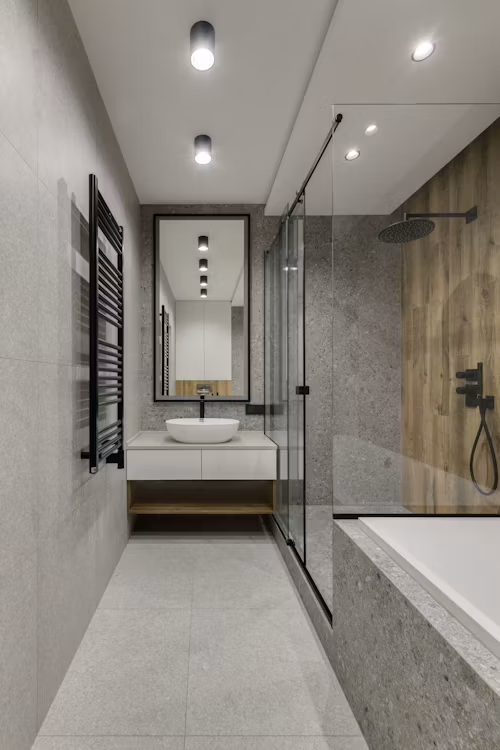
Understanding the Importance of Bathroom Flooring
Bathroom flooring performs a much more demanding role than flooring in many other areas of the home. It must withstand constant exposure to water, humidity, cleaning products, and regular foot traffic while maintaining its appearance and structural integrity.
Because bathrooms are naturally wet environments, flooring materials must be chosen carefully to prevent issues such as water damage, mould growth, slipping hazards, and premature deterioration. Selecting the right flooring helps create a bathroom that remains attractive, functional, and safe for many years.
Understanding the role of bathroom flooring is the first step toward making a successful design decision.
Why Bathroom Floors Face Unique Challenges
Unlike living rooms, bedrooms, and dining areas, bathrooms experience regular exposure to moisture. Water from showers, bathtubs, sinks, and cleaning activities can create challenging conditions for flooring materials.
The constant presence of moisture means that flooring must resist water penetration and maintain stability over time. Materials that perform well in dry environments may not be suitable for bathroom use.
This makes careful material selection particularly important during the design process.
How Flooring Influences the Overall Bathroom Design
Flooring is one of the largest visible surfaces within a bathroom. Its colour, texture, pattern, and finish have a major influence on the overall appearance of the space.
The right flooring can make a bathroom feel larger, brighter, warmer, or more luxurious, depending on the chosen design approach. Flooring also serves as a visual foundation that connects all other design elements.
A well-chosen floor enhances both functionality and aesthetics.
What Is the Best Flooring for a Bathroom?
There is no single flooring material that can be considered universally superior for every bathroom. The best option depends on the homeowner’s priorities, budget, design preferences, and practical requirements.
However, some materials consistently perform better than others because they offer excellent water resistance, durability, safety, and visual appeal. Understanding the strengths of these materials helps homeowners make more informed decisions.
The most suitable flooring is one that balances performance with personal style.
Why Water Resistance Is Essential
Water resistance is arguably the most important characteristic of bathroom flooring. Materials that absorb moisture can become damaged, warped, or stained over time.
Flooring that resists water helps protect the underlying structure while reducing maintenance requirements. This durability contributes significantly to long-term value and performance.
A moisture-resistant floor provides peace of mind and lasting reliability.
Balancing Practicality and Design
While performance is critical, aesthetics should not be overlooked. The best bathroom flooring combines practical benefits with visual appeal that complements the overall design of the room.
Homeowners should consider both functional requirements and personal preferences when evaluating flooring options. A successful design achieves a balance between these priorities.
Good flooring supports both beauty and practicality.
Why Porcelain Tiles Are One of the Most Popular Choices
Porcelain tiles are widely regarded as one of the best flooring options for bathrooms. Their durability, water resistance, and versatility make them highly suitable for wet environments.
Many custom bathroom designs incorporate porcelain tiles because they offer a combination of practical benefits and extensive design flexibility. Their popularity continues to grow across Melbourne homes.
Porcelain tiles provide a strong balance between performance and aesthetics.
Exceptional Water Resistance
Porcelain tiles are manufactured at high temperatures, creating a dense and durable material with very low water absorption rates. This characteristic makes them highly resistant to moisture-related damage.
Because water penetration is minimal, porcelain tiles perform exceptionally well in bathrooms. Their durability helps ensure long-term reliability.
Water resistance is one of the primary reasons for their popularity.
Wide Range of Design Options
Modern porcelain tiles are available in a vast range of colours, patterns, sizes, and finishes. Some products replicate the appearance of natural stone, timber, or concrete while offering superior moisture resistance.
This versatility allows homeowners to achieve almost any design style without compromising functionality. Design flexibility is a major advantage of porcelain flooring.
The variety of available options supports highly customised bathroom designs.
The Benefits of Ceramic Tile Flooring
Ceramic tiles are another popular bathroom flooring option. While they share many similarities with porcelain tiles, they are often more affordable and widely available.
For homeowners seeking cost-effective solutions, ceramic tiles can provide an attractive balance between performance and budget considerations.
Their long-standing popularity reflects their practicality and versatility.
Affordable and Attractive
One of the main advantages of ceramic tiles is their affordability. They provide a durable and visually appealing flooring solution without the higher costs associated with some premium materials.
This affordability makes ceramic tiles attractive to homeowners working within specific renovation budgets. They can still achieve excellent design outcomes while managing expenses effectively.
Value for money is one of their strongest selling points.
Easy Maintenance Requirements
Ceramic tiles are relatively easy to clean and maintain. Their smooth surfaces resist staining and can generally be cleaned using standard household products.
Low maintenance requirements contribute to long-term convenience. This practicality makes ceramic tiles suitable for busy households.
Ease of care is an important consideration in bathroom design.
Natural Stone Flooring and Luxury Bathroom Design
Natural stone flooring is often associated with luxury bathroom designs because it provides a distinctive and sophisticated appearance. Materials such as marble, travertine, granite, and slate offer unique textures and patterns that cannot be replicated exactly.
Homeowners seeking premium aesthetics often consider natural stone for its visual impact and timeless appeal.
Its elegance makes it a popular choice in high-end bathroom renovations.
Unique Beauty and Character
Every piece of natural stone is unique, giving bathrooms a distinctive appearance. Variations in colour, veining, and texture create visual interest that enhances the overall design.
This individuality contributes to the sense of luxury often associated with stone flooring. Many homeowners appreciate the natural beauty it brings to the space.
Its uniqueness is one of its greatest strengths.
Maintenance Considerations
While natural stone offers exceptional aesthetics, it generally requires more maintenance than porcelain or ceramic tiles. Some stone surfaces need regular sealing to protect against moisture and staining.
Homeowners should understand these maintenance requirements before making a decision. Proper care helps preserve the appearance and durability of the material.
Maintenance expectations are an important factor when evaluating stone flooring.
The Growing Popularity of Vinyl Flooring
Modern vinyl flooring has evolved significantly and is now considered a viable option for many bathroom renovations. Advances in manufacturing technology have improved both its appearance and performance.
Vinyl flooring offers several practical benefits that appeal to homeowners seeking affordable and water-resistant solutions.
Its popularity continues to increase across residential renovations.
Excellent Water Resistance
Vinyl flooring is highly resistant to moisture, making it well-suited to bathroom environments. Its protective surface helps prevent water damage and simplifies cleaning.
This durability contributes to long-term performance and reliability. Moisture resistance is one of vinyl’s key advantages.
It performs well in wet areas when installed correctly.
Comfort Underfoot
Unlike some harder flooring materials, vinyl provides a softer and warmer feel underfoot. This comfort can enhance the overall user experience, particularly during colder months.
The added comfort makes vinyl appealing to families and homeowners prioritising practicality. Its performance continues to improve as product technology advances.
Comfort contributes to its growing popularity.
Why Slip Resistance Matters in Bathroom Flooring
Safety should always be a priority when selecting bathroom flooring. Wet surfaces can increase the risk of slips and falls, particularly in households with children, elderly family members, or individuals with mobility challenges.
Slip-resistant flooring helps create safer bathroom environments while maintaining visual appeal.
Safety and design should work together rather than compete.
Understanding Floor Surface Textures
The texture of a flooring surface influences its slip resistance. Highly polished materials may appear attractive but can become slippery when wet.
Many tile manufacturers offer textured finishes specifically designed to improve grip in wet environments. These products provide additional safety without sacrificing aesthetics.
Texture plays an important role in flooring performance.
Creating Safer Family Bathrooms
Family bathrooms often experience heavy use and frequent exposure to water. Slip-resistant flooring can help reduce accident risks while supporting everyday functionality.
Selecting safer materials contributes to greater peace of mind for homeowners. Safety considerations should be incorporated into every bathroom design.
Practical choices often deliver long-term benefits.
How Custom Bathroom Design Melbourne Influences Flooring Choices
Custom bathroom design provides homeowners with the opportunity to select flooring that aligns with their specific goals and preferences. Rather than relying on standard solutions, custom design allows for greater flexibility and personalisation.
The flooring chosen should support both the functional requirements and visual style of the bathroom.
Customisation helps create more meaningful and effective spaces.
Matching Flooring to Design Style
Different flooring materials complement different design styles. Large-format porcelain tiles may suit contemporary bathrooms, while natural stone can enhance traditional or luxury spaces.
Selecting flooring that aligns with the overall design vision helps create cohesive and visually appealing environments. Consistency contributes to stronger design outcomes.
The right flooring strengthens the overall aesthetic.
Considering Long-Term Lifestyle Needs
Flooring should also reflect how the bathroom will be used over time. Families, retirees, and busy professionals may all have different priorities regarding maintenance, safety, and durability.
Custom bathroom design takes these factors into account when recommending suitable materials. This personalised approach improves long-term satisfaction.
Lifestyle considerations are essential when making flooring decisions.
Common Flooring Mistakes to Avoid
Even high-quality materials can produce disappointing results if common mistakes are made during selection or installation. Understanding these risks helps homeowners make better decisions.
Avoiding mistakes contributes to better performance and value.
Proper planning remains essential.
Choosing Flooring Based Only on Appearance
A beautiful floor may not be suitable if it lacks durability or water resistance. Focusing exclusively on aesthetics can lead to maintenance issues and premature wear.
Practical performance should always be considered alongside visual appeal. The best flooring balances both priorities.
Functionality should never be overlooked.
Ignoring Professional Installation
Bathroom flooring requires precise installation techniques to ensure proper waterproofing and durability. Poor installation can compromise even the highest-quality materials.
Professional installation helps maximise performance and longevity. Investing in skilled workmanship protects the overall renovation investment.
Quality installation is essential for lasting results.
Frequently Asked Questions
What is the best flooring for a bathroom?
Porcelain tile is often considered one of the best bathroom flooring options because it offers excellent water resistance, durability, design flexibility, and low maintenance requirements.
Is vinyl flooring suitable for bathrooms?
Yes. Modern vinyl flooring is highly water-resistant, comfortable underfoot, affordable, and available in a wide variety of styles suitable for bathroom environments.
Are natural stone floors a good choice for bathrooms?
Natural stone can be an excellent choice for luxury bathrooms because of its unique beauty and premium appearance. However, it generally requires more maintenance than tile alternatives.
Conclusion
Choosing the best flooring for a bathroom involves balancing durability, water resistance, safety, maintenance requirements, and visual appeal. While porcelain tiles remain one of the most popular and practical options, ceramic tiles, natural stone, and modern vinyl flooring each offer unique advantages depending on the homeowner’s goals and budget.
For those considering custom bathroom design in Melbourne, flooring should be viewed as a critical design element that influences both functionality and aesthetics. By carefully evaluating available materials and considering long-term lifestyle needs, homeowners can select flooring that enhances comfort, supports daily use, and contributes to a beautiful and lasting bathroom environment.
A thoughtful flooring choice provides the foundation for a successful bathroom design that continues to perform well for many years.







Leave a Reply