
Heritage-inspired interiors continue to capture the imagination of homeowners who appreciate craftsmanship, history, and timeless design. While contemporary living spaces often prioritise open layouts, clean lines, and practicality, heritage styling introduces warmth, character, and a sense of permanence.
The challenge lies in blending traditional elements with modern living requirements in a way that feels balanced rather than dated.
Creating a heritage-inspired home today is not about recreating a period property exactly as it once was. Instead, it involves thoughtfully incorporating architectural details, furnishings, textures, and decorative features that honour the past while supporting modern lifestyles. This approach allows homeowners to enjoy the beauty of heritage design without sacrificing comfort or functionality.
One of the most effective ways to achieve this balance is by drawing inspiration from resources such as The Home of Heritage, where traditional design principles and enduring craftsmanship remain central to creating timeless interiors.
Understanding how heritage elements work within modern environments can help homeowners make informed styling choices that enhance both aesthetics and practicality.
Whether you live in a renovated period residence or a newly built home, heritage styling can introduce depth, elegance, and authenticity. By carefully selecting materials, colours, furnishings, and decorative details, contemporary spaces can embrace the richness of heritage design while remaining fresh and functional for everyday living.
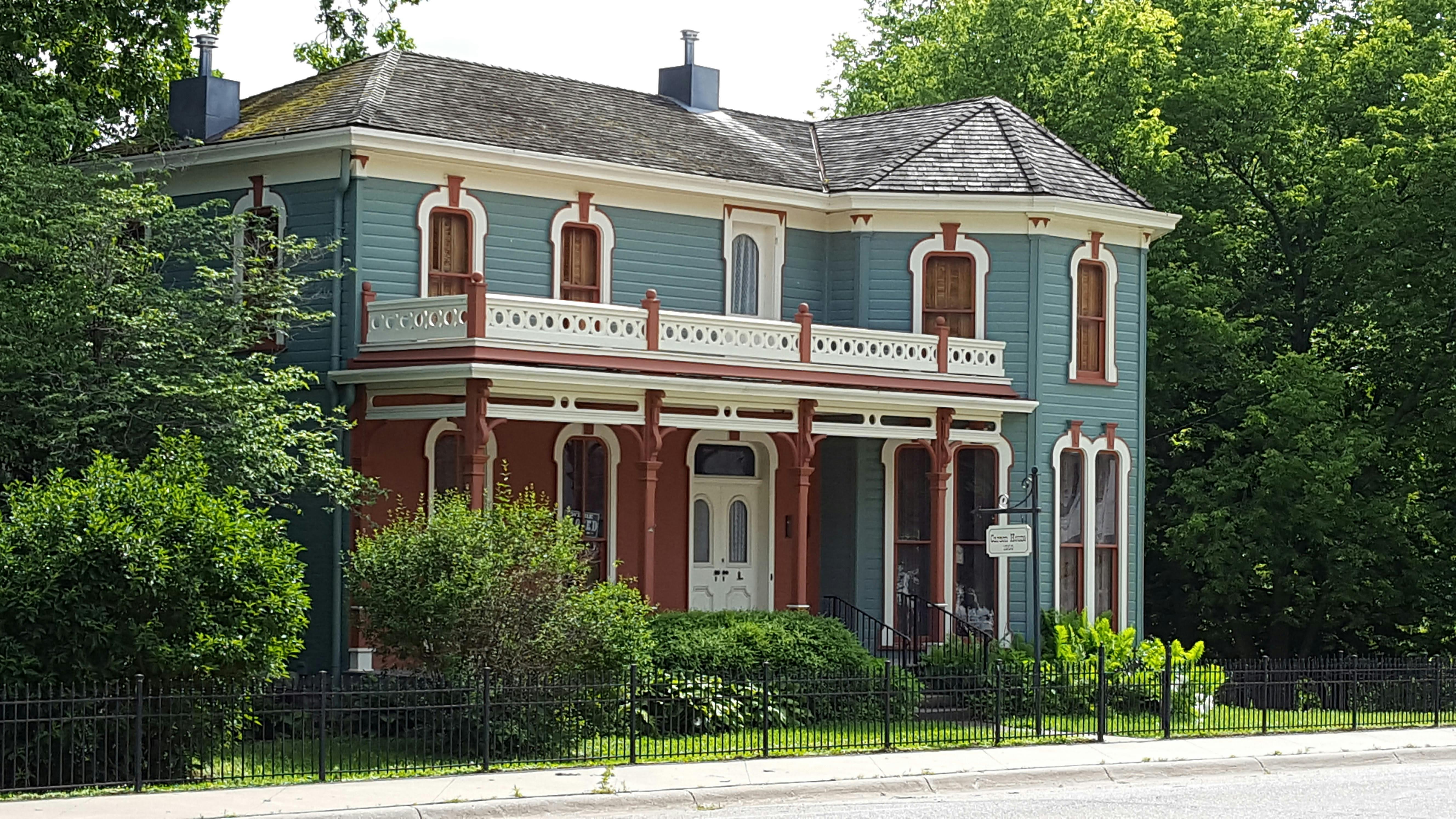
Embracing Architectural Features That Tell a Story
Preserving Original Character While Updating Functionality
Architectural details are often the foundation of heritage-inspired interiors. Features such as decorative cornices, ceiling roses, timber panelling, and traditional mouldings instantly add depth and visual interest to a space. In homes that already possess period features, preserving these elements helps maintain the property’s unique character.
For contemporary renovations, incorporating selected heritage details can create a sense of history even in newer homes. Wall mouldings, wainscoting, and decorative trims offer subtle sophistication without overwhelming modern interiors. The key is to balance ornate details with clean, uncluttered layouts.
Functionality should remain a priority. Heritage features can coexist with modern lighting, energy-efficient windows, and open-plan living arrangements when integrated thoughtfully. This combination allows homeowners to enjoy traditional beauty alongside modern convenience.
Creating Visual Interest Through Traditional Craftsmanship
Heritage styling often celebrates craftsmanship that is rarely found in mass-produced interiors. Timber joinery, handcrafted cabinetry, detailed fireplaces, and decorative staircases become focal points that add personality and authenticity.
Introducing artisan-made pieces can elevate a contemporary room while reinforcing heritage influences. Whether through custom shelving, detailed timberwork, or bespoke furniture, these elements contribute to a layered and meaningful design narrative.
Choosing Heritage-Inspired Colour Palettes
Using Timeless Colours to Build Warmth
Colour plays a significant role in heritage styling. Traditional palettes often draw inspiration from nature, featuring earthy greens, rich blues, warm creams, muted greys, and soft terracotta tones. These colours create inviting interiors that feel both elegant and comfortable.
In contemporary homes, heritage colours can be applied selectively. A statement wall, painted cabinetry, or upholstered furniture in heritage-inspired shades can add depth without dominating the space. Combining traditional hues with modern neutrals helps maintain a balanced appearance.
Layering different tones within the same colour family creates visual cohesion and allows heritage elements to blend seamlessly with contemporary architecture.
Combining Traditional and Modern Finishes
While heritage palettes often feature rich colours, modern interiors benefit from lighter and more open aesthetics. Combining deep heritage tones with crisp whites, natural timber finishes, and subtle metallic accents creates a harmonious contrast.
This approach ensures spaces remain bright and functional while still capturing the warmth and sophistication associated with heritage design.
Selecting Furniture That Balances Old and New
Investing in Timeless Pieces
Furniture is one of the easiest ways to introduce heritage character into contemporary spaces. Rather than filling a room exclusively with antique furnishings, focus on selecting a few well-crafted statement pieces that anchor the design.
A traditional dining table, tufted armchair, vintage sideboard, or classic timber bookcase can add instant heritage appeal. These pieces often become focal points while providing practical functionality.
Quality craftsmanship should take precedence over trends. Furniture designed with longevity in mind aligns naturally with heritage styling principles and contributes to sustainable living.
Mixing Period Designs With Contemporary Comfort
Modern living requires comfort and flexibility. Heritage-inspired furniture can be paired with contemporary seating, streamlined storage solutions, and multifunctional pieces to support everyday needs.
For example, a traditional timber dining table may be surrounded by modern upholstered chairs. Similarly, an antique cabinet can sit comfortably alongside minimalist lighting and contemporary artwork.
This balance prevents interiors from feeling overly formal or museum-like while preserving the character that heritage elements provide.
Enhancing Spaces Through Layered Textures
Introducing Natural Materials
Texture is essential in heritage-inspired interiors. Natural materials such as timber, stone, linen, wool, leather, and brass contribute to the tactile richness associated with traditional design.
These materials age beautifully and develop character over time, reinforcing the sense of permanence that heritage styling seeks to achieve. Incorporating natural textures throughout furniture, flooring, and decorative accessories creates a warm and welcoming environment.
Layering various materials also helps contemporary spaces feel more personal and lived-in.
Using Textiles to Add Depth
Textiles offer an effective way to soften modern interiors while introducing heritage influences. Curtains, rugs, cushions, and upholstered furniture can feature traditional patterns, rich fabrics, and classic detailing.
Floral motifs, checks, stripes, and damask-inspired designs can be incorporated selectively to avoid overwhelming the space. Mixing these elements with contemporary fabrics creates a sophisticated and balanced result.
Well-chosen textiles also contribute to comfort and acoustic performance, enhancing the overall living experience.
Styling Heritage Decor Without Creating Clutter
Curating Meaningful Decorative Pieces
Heritage interiors often feature collections of decorative objects that tell stories and reflect personal history. However, contemporary living spaces benefit from a more curated approach.
Rather than displaying numerous accessories, focus on selecting meaningful pieces that contribute to the room’s overall aesthetic. Antique clocks, vintage ceramics, framed botanical prints, and heirloom objects can all serve as elegant focal points.
Careful curation allows each item to be appreciated while maintaining a sense of order and refinement.
Incorporating Artwork With Historical Influence
Artwork provides another opportunity to introduce heritage character. Traditional landscapes, architectural sketches, botanical illustrations, and portraiture can complement both heritage and contemporary interiors.
Framing choices also matter. Classic timber or ornate frames can add authenticity while helping artwork become an integrated part of the design scheme.
Mixing traditional artwork with contemporary pieces creates visual contrast and prevents interiors from appearing overly themed.
Modernising Heritage Kitchens and Living Areas
Combining Traditional Cabinetry With Contemporary Features
The kitchen often serves as the heart of the home, making it an ideal place to blend heritage styling with modern functionality. Shaker-style cabinetry, detailed joinery, and classic hardware can create a timeless foundation.
Modern appliances, integrated storage solutions, and durable surfaces ensure the space remains practical for daily use. The combination of traditional aesthetics and contemporary performance delivers the best of both worlds.
Natural stone benchtops and timber accents further reinforce the heritage-inspired atmosphere.
Designing Living Spaces for Everyday Comfort
Living rooms should feel welcoming and functional while showcasing heritage influences. Comfortable seating, layered lighting, and carefully selected furnishings help create spaces that support relaxation and social interaction.
Traditional fireplaces, built-in shelving, and decorative mouldings can provide architectural interest, while contemporary layouts maintain openness and flexibility.
The result is a living area that feels both sophisticated and highly usable.
Bringing Heritage Style Into New Homes
Creating Character From the Ground Up
Newly constructed homes often lack the architectural details found in older properties. Fortunately, heritage styling techniques can introduce character from the outset.
Features such as panelled walls, decorative ceilings, timber flooring, and classic door hardware help establish a sense of history and craftsmanship. These additions create visual depth and make new homes feel more established.
Attention to detail is particularly important when building heritage-inspired interiors in contemporary settings.
Avoiding Overly Themed Designs
Successful heritage styling relies on balance. Attempting to replicate a historical period exactly can result in spaces that feel artificial or impractical.
Instead, focus on incorporating selected heritage influences that complement modern living requirements. Combining traditional materials, quality craftsmanship, and timeless design principles creates interiors that feel authentic rather than theatrical.
This measured approach ensures heritage-inspired homes remain relevant and functional for years to come.
Frequently Asked Questions
How can I add heritage style to a modern home without renovating?
You can introduce heritage character through furniture, textiles, lighting, artwork, and decorative accessories. Traditional colours, natural materials, and well-crafted statement pieces can significantly influence the overall aesthetic without requiring structural changes.
What colours work best for heritage-inspired interiors?
Classic heritage palettes often include muted greens, deep blues, warm neutrals, terracotta tones, and soft greys. These colours create warmth and sophistication while pairing effectively with contemporary finishes.
Can heritage styling work in small contemporary spaces?
Yes. Heritage styling can be adapted to spaces of any size. Focus on a few carefully selected features such as mouldings, vintage furniture, or traditional textiles. Avoid overcrowding the room and maintain a balanced layout to ensure the space remains functional.
Conclusion
Heritage home styling offers an opportunity to bring timeless elegance, craftsmanship, and character into contemporary living spaces. By thoughtfully combining traditional architectural details, heritage-inspired colours, quality furnishings, natural materials, and carefully curated décor, homeowners can create interiors that feel rich in history while supporting modern lifestyles.
The most successful heritage-inspired homes embrace the past without becoming confined by it, resulting in spaces that are welcoming, functional, and enduringly beautiful.







Leave a Reply