
The logistics industry has undergone a remarkable transformation over the past decade. Customers no longer want to wait days without knowing where their shipments are or when they will arrive. Businesses also need greater visibility into their operations to manage deliveries, respond to delays, optimise routes, and maintain customer satisfaction.
As supply chains become increasingly connected, having access to accurate shipment information has become a competitive advantage rather than simply a convenience. This is why many organisations are investing in a Real Time Freight Tracking System to improve transparency, efficiency, and operational control across every stage of the freight journey.
Whether transporting goods across Australia or coordinating international shipments, logistics providers manage thousands of freight movements every day. Without live tracking, businesses often rely on phone calls, emails, or manual status updates to determine shipment locations.
These traditional methods consume valuable time and may lead to communication delays or inaccurate information. A real-time freight tracking system eliminates these challenges by providing continuous shipment visibility through integrated digital technology.
One of the most frequently asked questions in modern logistics is, “What is real-time tracking in logistics?” Real-time tracking in logistics is the process of continuously monitoring the location, status, and movement of shipments, vehicles, or freight using technologies such as GPS, mobile networks, Internet of Things (IoT) sensors, and cloud-based logistics software.
Instead of waiting for manual updates, businesses and customers receive live information about freight progress, estimated arrival times, delivery milestones, and unexpected delays. This improves operational visibility, supports faster decision-making, and enhances customer service throughout the supply chain.
Understanding how real-time tracking works demonstrates why it has become one of the most valuable tools in modern freight management.
Why Real-Time Tracking Is Important
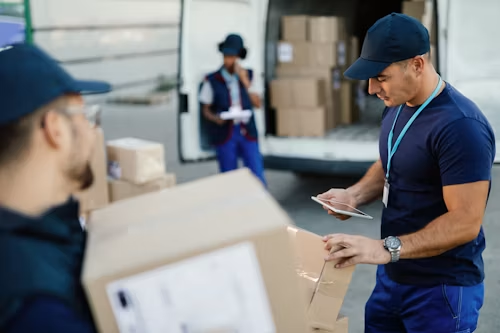
Modern supply chains depend on accurate information.
Businesses coordinate warehouses, transport providers, customers, drivers, suppliers, and inventory simultaneously. Without real-time visibility, even small disruptions can create delivery delays, communication gaps, and increased operating costs.
Live freight tracking provides the information needed to respond quickly while maintaining efficient operations.
What Is Real-Time Tracking in Logistics?
Real-time tracking provides continuous visibility throughout the transportation process.
Live Shipment Visibility
Businesses can monitor freight movements from pickup through final delivery.
Instead of relying on scheduled updates, shipment information is refreshed continuously, allowing logistics teams to know where freight is located at any given time.
Continuous visibility improves operational confidence.
GPS-Based Location Monitoring
Many freight tracking systems utilise Global Positioning System (GPS) technology.
GPS devices installed within vehicles transmit location information to logistics software, allowing dispatchers and customers to monitor freight movements in real time.
Accurate location data improves delivery planning.
Estimated Arrival Times
Tracking systems calculate estimated delivery times using live vehicle locations, traffic conditions, and planned routes.
Customers receive more reliable delivery expectations while businesses can proactively communicate any changes.
Improved delivery accuracy strengthens customer relationships.
Automated Status Updates
Real-time tracking systems automatically notify stakeholders when important shipment milestones occur.
Notifications may include pickup confirmation, departure, arrival at distribution centres, delivery progress, delays, and completed deliveries.
Automation reduces manual communication.
How a Real-Time Freight Tracking System Works
Several technologies work together to provide continuous shipment visibility.
GPS Technology
GPS devices determine vehicle positions using satellite signals.
Location information is transmitted to freight management software, allowing businesses to monitor every shipment in real time.
GPS forms the foundation of modern freight tracking.
Mobile Communication Networks
Mobile data networks transmit tracking information from vehicles to central logistics platforms.
This enables continuous communication regardless of shipment location.
Reliable connectivity supports accurate reporting.
Cloud-Based Logistics Software
Tracking data is stored and displayed through cloud-based freight management systems.
Operations teams, managers, customer service representatives, and customers can securely access shipment information from virtually any location.
Cloud platforms improve accessibility.
Integrated Freight Management
Real-time tracking connects with dispatching, inventory management, invoicing, reporting, customer communication, and warehouse operations.
Integrated information creates complete supply chain visibility.
Benefits of a Real-Time Freight Tracking System
Businesses experience significant operational improvements.
Improved Operational Visibility
Managers gain complete oversight of freight movements.
Live shipment information enables proactive decision-making before minor issues become major disruptions.
Greater visibility supports better logistics planning.
Better Customer Service
Customers appreciate knowing exactly where their shipments are.
Accurate delivery updates reduce uncertainty while improving customer confidence and satisfaction.
Transparent communication strengthens business relationships.
Faster Problem Resolution
Unexpected delays occasionally occur because of traffic, weather, vehicle breakdowns, or operational issues.
Real-time tracking allows businesses to identify problems immediately and implement alternative solutions where necessary.
Rapid responses minimise disruption.
Improved Fleet Efficiency
Dispatch teams monitor vehicle locations while optimising routes and scheduling future deliveries.
Efficient fleet utilisation reduces operating costs.
Enhanced Security
Continuous shipment monitoring improves freight security.
Businesses quickly identify unusual vehicle movements or unauthorised route deviations.
Improved monitoring helps protect valuable cargo.
Industries That Benefit from Real-Time Freight Tracking
Many industries depend on shipment visibility.
Manufacturing
Manufacturers monitor inbound raw materials and outbound finished goods.
Real-time tracking supports uninterrupted production.
Retail
Retail businesses rely on accurate delivery schedules to maintain product availability.
Shipment visibility improves inventory planning.
Wholesale Distribution
Distributors coordinate deliveries between warehouses and customers.
Tracking improves order fulfilment performance.
Healthcare
Medical suppliers transport pharmaceuticals, equipment, and healthcare products requiring timely delivery.
Live tracking supports critical supply chains.
Construction
Construction companies monitor equipment and material deliveries to maintain project schedules.
Reliable transport visibility reduces delays.
Key Features of Modern Freight Tracking Systems
Today’s tracking platforms include numerous advanced capabilities.
Interactive Shipment Maps
Digital maps display live vehicle locations.
Operations teams monitor multiple shipments simultaneously through visual dashboards.
Interactive mapping improves situational awareness.
Delivery Notifications
Customers receive automatic updates as shipments progress.
Notifications improve communication without requiring manual follow-up.
Historical Tracking Data
Previous shipment information remains available for reporting and performance analysis.
Historical records support operational improvement.
Proof of Delivery
Drivers can capture electronic signatures, photographs, or digital confirmations when deliveries are completed.
Electronic records improve documentation accuracy.
Performance Reporting
Businesses evaluate delivery times, transport efficiency, carrier performance, and customer satisfaction through integrated reporting tools.
Data supports continuous improvement.
Challenges Solved by Real-Time Tracking
Modern tracking systems address many logistics challenges.
Communication Delays
Manual status updates often create inconsistent information.
Automated tracking improves communication speed and accuracy.
Limited Visibility
Businesses gain complete shipment transparency.
Managers monitor freight continuously.
Missed Delivery Expectations
Accurate estimated arrival times improve customer communication.
Reliable updates reduce uncertainty.
Operational Inefficiencies
Live information allows dispatchers to optimise routes, allocate resources, and respond quickly to changing conditions.
Efficiency improves across the supply chain.
Future Trends in Freight Tracking
Technology continues advancing logistics visibility.
Artificial Intelligence
AI analyses shipment data to predict delays, optimise delivery schedules, and improve route planning.
Predictive insights strengthen logistics performance.
Internet of Things (IoT)
Connected sensors monitor temperature, humidity, vibration, and cargo conditions alongside location.
IoT improves shipment monitoring for sensitive freight.
Predictive Analytics
Businesses increasingly use historical and live data to anticipate operational challenges before they occur.
Forecasting supports better planning.
Sustainable Logistics
Tracking technology helps reduce unnecessary fuel consumption through route optimisation and improved fleet utilisation.
Efficient transport contributes to environmental sustainability.
Choosing the Right Real-Time Freight Tracking System
Selecting appropriate software requires careful consideration.
Ease of Use
User-friendly interfaces improve staff adoption while reducing training requirements.
Simple systems increase productivity.
Integration Capabilities
Tracking software should integrate with freight management systems, transportation management platforms, warehouse software, ERP solutions, and customer portals.
Connected technology improves operational efficiency.
Scalability
Growing businesses require systems capable of managing increasing shipment volumes.
Flexible platforms support long-term expansion.
Reliable Technical Support
Professional support ensures uninterrupted system performance.
Reliable assistance contributes to operational continuity.
Frequently Asked Questions
What is real-time tracking in logistics?
Real-time tracking in logistics is the continuous monitoring of shipment locations, delivery status, and freight movement using GPS technology, mobile communication networks, IoT devices, and cloud-based logistics software. It provides live visibility that helps businesses improve operational efficiency, customer communication, and delivery performance.
Why is real-time freight tracking important?
Real-time tracking improves shipment visibility, enables faster responses to delays, strengthens customer communication, optimises fleet management, enhances freight security, and supports more informed business decisions.
Which businesses benefit from real-time freight tracking?
Manufacturers, retailers, wholesalers, transport companies, freight forwarders, healthcare providers, construction businesses, and third-party logistics companies all benefit from improved shipment visibility and operational efficiency through real-time freight tracking.
Conclusion
As supply chains become increasingly complex, businesses require accurate, real-time information to maintain efficient operations and meet growing customer expectations. A Real-Time Freight Tracking System provides continuous shipment visibility, enabling organisations to monitor freight movements, improve communication, optimise transportation, and respond quickly to operational challenges.
Understanding what real-time tracking in logistics is highlights its importance as a critical component of modern freight management. By combining GPS technology, cloud-based software, automated notifications, and integrated reporting, businesses gain complete control over their freight operations while delivering a more transparent and reliable customer experience.
Organisations that invest in real-time freight tracking technology position themselves to reduce operational costs, improve delivery performance, strengthen customer relationships, and build more agile, efficient, and future-ready supply chains.







Leave a Reply