
For many Australian households, protecting vehicles from the harsh sun, unpredictable storms, and constant exposure to the elements is a priority. A carport provides an affordable and versatile solution.
Unlike garages, which often require more space and greater investment, carports can be designed to match the style of the home while offering dependable protection.
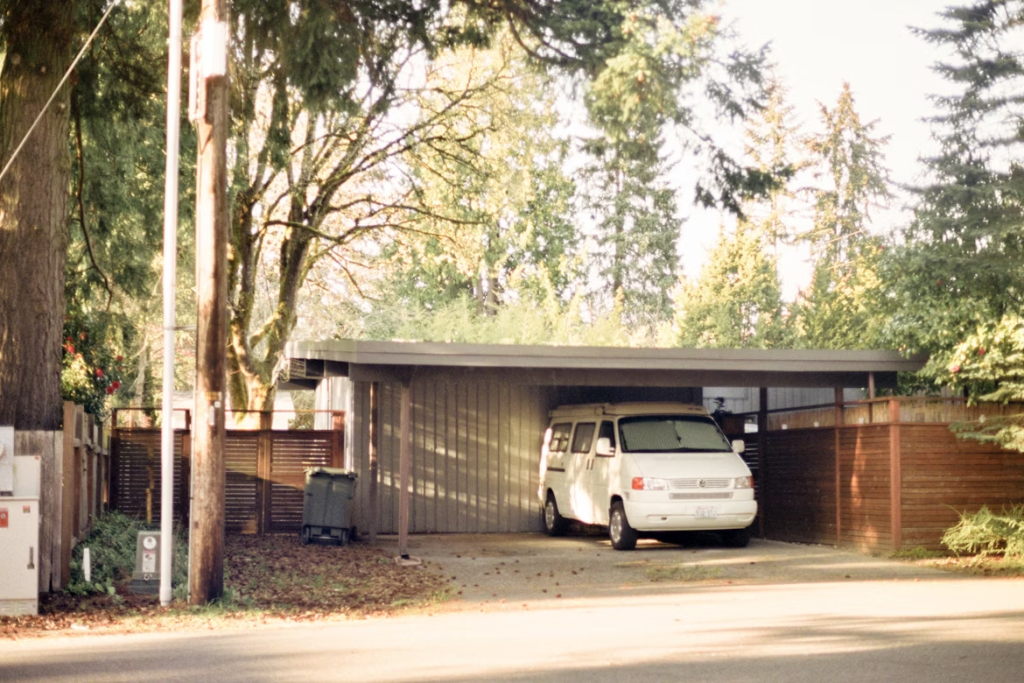
In some cases, homeowners who begin with a carport later undertake a garage conversion to granny flat, highlighting the adaptability of outdoor structures.
This guide explains every aspect of planning, designing, and maintaining a carport that stands the test of time.
Why Choose a Carport Over a Garage?
While garages offer full enclosure, carports have several unique advantages. They are cost-effective, quicker to construct, and often require fewer council approvals. For many households, they provide the balance between functionality and budget.
Carports are also versatile: they can double as covered outdoor areas for entertaining, storage, or even home workshops. The flexibility of use makes them an appealing option for families and homeowners across Australia.
Planning Stage: Setting the Foundations for a Durable Carport
Proper planning is essential to ensure long-term strength and practicality.
Determining Purpose and Placement
Before construction begins, consider how the carport will be used. Is it for one vehicle or two?
Will it double as a shaded entertainment area? Placement also matters. Carports positioned close to the house provide convenience, while freestanding designs may offer better airflow and access.
Understanding Local Regulations
Councils often have specific requirements for carport dimensions, distance from boundaries, and roof heights. It is wise to check these guidelines early to avoid issues later.
Choosing Materials for Strength and Longevity
The choice of materials makes a significant difference to how well the carport withstands weather and time.
Timber Carports
Timber provides a natural aesthetic that blends seamlessly with many home designs. However, timber requires regular sealing and maintenance to protect against termites and rot.
Steel Carports
Steel frames are highly durable, with the ability to resist corrosion when treated properly. They are particularly popular in coastal regions where salt exposure can be damaging.
Roofing Materials
Options include:
- Polycarbonate sheets for lightweight coverage and natural light.
- Colourbond steel roofing for strong, weather-resistant performance.
- Tiled roofing to match the look of the house.
Design Options to Suit Every Home
A durable carport can be styled to match both the home and lifestyle needs.
Attached Carports
These connect directly to the house, creating easy access during rain. They often look like an extension of the original home design.
Freestanding Carports
These stand alone and can be positioned anywhere on the property. They are useful for larger lots or secondary parking areas.
Flat vs. Pitched Roofs
Flat roofs are economical and simple, while pitched roofs improve water runoff and airflow, making them ideal for areas with heavy rainfall.
Construction Methods for a Durable Finish
The building method plays an important role in the longevity of the carport.
DIY Kits
Carport kits are widely available and come with pre-cut materials. They are suited to those with construction experience, though they still require adherence to safety standards.
Professional Builders
Hiring a licensed builder ensures compliance with regulations and provides peace of mind about the durability of the finished structure. Professional installation is recommended for larger or more complex designs.
Anchoring and Stability
A strong foundation ensures the carport remains stable during strong winds or storms.
Concrete Slabs
Concrete provides a reliable base for posts and doubles as a practical floor for parking. It also reduces maintenance by preventing weeds and mud around the carport.
Post Anchoring
Steel stirrups and bolts embedded in concrete help keep posts secure. Proper anchoring is especially important in cyclone-prone regions.
Weatherproofing Your Carport
Australia’s diverse climate demands thoughtful weatherproofing.
Sun Protection
Installing roofing with UV protection shields vehicles from paint damage and interior fading.
Rain and Wind Resistance
Gutters and downpipes should be included to direct water away from the structure. In windy areas, additional bracing may be necessary to prevent movement.
Adding Practical Features
Enhancing functionality makes the carport more than just a parking space.
Storage Solutions
Including lockable storage cupboards or tool racks within the carport provides easy access to essentials without cluttering the home.
Lighting
Installing LED lighting ensures safety and convenience at night. Solar-powered options are cost-effective and environmentally friendly.
Power Outlets
Adding power outlets allows the space to double as a workshop or charging station for electric vehicles.
Carport Maintenance for Long-Term Durability
Even the strongest structures need care to maintain their durability.
Regular Cleaning
Roofs and gutters should be cleared of leaves to prevent blockages. Surfaces should be washed down to remove dirt and salt, particularly in coastal regions.
Inspections
Check bolts, fasteners, and joints annually to ensure everything remains secure. Timber should be inspected for pests and treated when necessary.
Repainting and Resealing
Steel frames may need occasional repainting to protect against rust, while timber requires resealing every few years.
Enhancing Aesthetics
A carport can be both functional and stylish.
Colour Choices
Colourbond steel provides a wide range of finishes to match existing house exteriors. Choosing a complementary colour helps the carport blend seamlessly.
Landscaping
Adding plants, hedges, or climbing vines around the structure softens the appearance and integrates the carport with the garden.
Decorative Features
Timber battens, lattice panels, or modern steel designs can enhance street appeal without compromising durability.
Sustainability and Energy Efficiency
Eco-conscious households can design carports that reduce environmental impact.
Solar Panels
Installing solar panels on the roof transforms the carport into a source of renewable energy, reducing electricity costs.
Recycled Materials
Using recycled steel or reclaimed timber provides sustainable options without sacrificing strength.
Rainwater Harvesting
Carport roofs can be fitted with tanks to capture rainwater for garden use.
Cost Considerations
Budgets for carports vary depending on size, materials, and whether the project is DIY or professionally built.
Factors Affecting Cost
- Size and complexity of design.
- Choice of materials (timber, steel, roofing type).
- Labour costs if hiring professionals.
- Council fees for approvals and permits.
Investing in quality materials and construction ensures the carport remains durable and cost-effective in the long run.
Carports as Multi-Purpose Spaces
A durable carport can be more than just a vehicle shelter. It can double as:
- An outdoor entertaining space.
- A shaded play area for children.
- A home workshop or hobby space.
The versatility of design makes it a valuable addition to many homes.
Conclusion
This article shows how thoughtful planning, strong materials, and proper maintenance create a long-lasting structure. From selecting between timber or steel frames to deciding on flat or pitched roofing, each step impacts both durability and practicality.
With the right approach, a carport becomes more than just vehicle protection—it becomes an asset that supports everyday life while adding value to the property.
Frequently Asked Questions
Do I need council approval for a carport?
In most cases, yes. Councils set specific guidelines regarding height, size, and placement. Always check with your local authority before construction begins.
What is the most durable material for a carport?
Steel is generally the most durable material, especially in coastal or high-wind regions. When treated properly, it resists rust and requires less maintenance than timber.
How long will a well-built carport last?
With quality materials, proper weatherproofing, and regular maintenance, a carport can last 20 years or more, providing reliable protection and value.







Leave a Reply