
The lifecycle of a vehicle does not end when it stops running. Across Australia and globally, millions of cars reach the end of their usable life each year, leaving owners with the challenge of disposal and industries with the responsibility of managing waste sustainably.
Rather than allowing these vehicles to deteriorate in landfills or backyards, innovative systems have emerged to transform scrap cars into valuable resources.
As environmental awareness grows, so too does the demand for sustainable solutions in industries traditionally associated with heavy waste and emissions. The automotive sector, in particular, has undergone a significant shift. What was once seen as junk is now recognised as a source of reusable materials, economic opportunity, and environmental protection.
Car recycling services play a critical role in this transformation, acting as the bridge between disposal and reuse. These services are not only about removing unwanted vehicles but also about ensuring that every possible component is salvaged, reused, or responsibly processed.
This shift reflects a broader movement toward circular economies, where waste is minimised, and value is continuously extracted.
Understanding how these services work and why they are advantageous provides insight into a system that benefits individuals, industries, and the environment alike.
The Evolution of Vehicle Disposal Practices
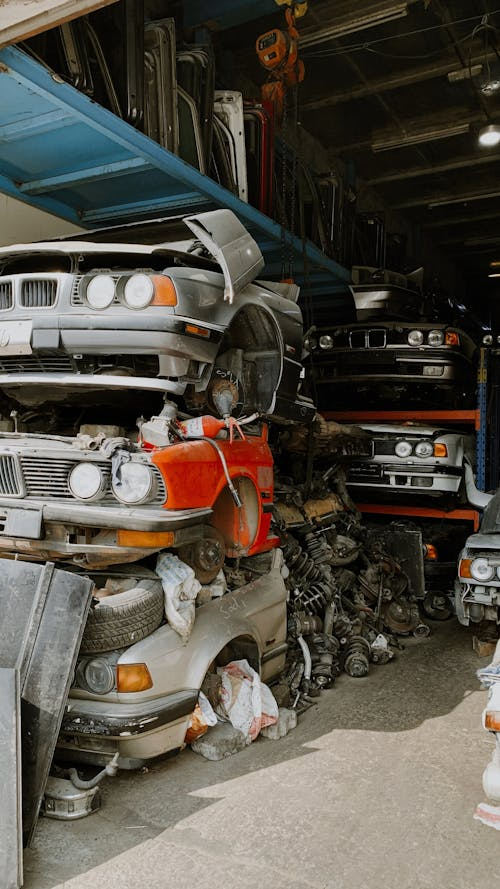
Historically, disposing of an old or damaged vehicle was a straightforward but environmentally harmful process. Cars were often abandoned, left to rust, or dumped in landfills, contributing to soil contamination and visual pollution. Hazardous fluids such as oil, coolant, and brake fluid would leak into the ground, posing serious risks to ecosystems.
Modern practices have dramatically improved this process. Today’s recycling systems are structured, regulated, and designed with sustainability at their core. Vehicles are dismantled in controlled environments where each part is assessed for reuse or recycling. Metals are separated and processed, plastics are repurposed, and hazardous materials are safely disposed of.
Environmental Regulations and Industry Standards
Government regulations in Australia have played a major role in shaping the evolution of vehicle recycling. Strict guidelines ensure that dismantling processes meet environmental standards, particularly in handling toxic substances and waste management. These policies have encouraged businesses to adopt cleaner technologies and more efficient recycling methods.
Technological Advancements in Recycling
Technology has enhanced the efficiency and effectiveness of recycling processes. Automated systems now assist in dismantling vehicles, separating materials, and reducing labour-intensive tasks. Advanced shredding and sorting techniques allow recyclers to recover a higher percentage of materials, minimising waste and maximising resource recovery.
Shift Toward Circular Economy Models
The concept of a circular economy has become central to modern recycling efforts. Instead of a linear “use and dispose” model, materials are continuously reused. Vehicle recycling aligns perfectly with this philosophy, ensuring that components such as steel, aluminium, and rubber are reintroduced into manufacturing cycles.
Growing Consumer Awareness
Consumers are increasingly aware of the environmental impact of their choices. This awareness has led to a higher demand for responsible disposal options. Vehicle owners are now more likely to seek out recycling services that align with their environmental values, further driving industry growth.
Economic Benefits of Vehicle Recycling Systems
Beyond environmental advantages, vehicle recycling contributes significantly to the economy. It creates jobs, supports manufacturing industries, and reduces the cost of raw materials.
Job Creation Across Multiple Sectors
The recycling industry supports a wide range of employment opportunities. From collection and towing services to dismantling and processing facilities, each stage of the recycling chain requires skilled workers. This contributes to local economies and provides stable employment in both urban and regional areas.
Reduction in Raw Material Costs
Recycling metals such as steel and aluminium reduces the need for mining and extraction. This not only conserves natural resources but also lowers production costs for manufacturers. Recycled materials are often cheaper and require less energy to process compared to raw materials.
Support for Automotive Repair Markets
Reusable parts recovered from old vehicles are sold to repair shops and individual consumers at a lower cost than new components. This makes vehicle maintenance more affordable and extends the lifespan of existing cars, benefiting both consumers and businesses.
Revenue Generation from Scrap Materials
Even vehicles that are beyond repair still hold value in their materials. Scrap metal, plastics, and glass can all be sold and repurposed. This creates a revenue stream for recycling companies and provides financial incentives for vehicle owners to dispose of their cars responsibly.
Environmental Advantages of Recycling End-of-Life Vehicles
The environmental impact of recycling vehicles is substantial, particularly in reducing waste and conserving resources.
Reduction of Landfill Waste
Vehicles are large and complex structures that take up significant space in landfills. Recycling ensures that the majority of a car’s components are reused or repurposed, drastically reducing landfill contributions.
Conservation of Natural Resources
Recycling metals reduces the need for mining, which is both energy-intensive and environmentally disruptive. By reusing existing materials, the demand for new resource extraction is minimised.
Lower Greenhouse Gas Emissions
Manufacturing products from recycled materials typically requires less energy than producing them from raw resources. This reduction in energy use translates to lower greenhouse gas emissions, contributing to climate change mitigation.
Safe Disposal of Hazardous Materials
Cars contain various hazardous substances, including batteries, oils, and chemicals. Recycling services ensure that these materials are handled safely, preventing contamination of soil and water sources.
Practical Advantages for Vehicle Owners
Vehicle recycling is not only beneficial on a large scale but also offers direct advantages to individual car owners.
Convenient Removal of Unwanted Vehicles
Recycling services often provide collection and towing, making it easy for owners to dispose of vehicles that are no longer functional. This eliminates the hassle of finding buyers or arranging transport.
Financial Incentives
Many recycling companies offer cash payments for old or damaged vehicles. This provides an immediate financial return, even for cars that are no longer operational.
Space Management and Property Value
Removing unused vehicles frees up space and improves the appearance of properties. This can enhance property value and reduce clutter, particularly in residential areas.
Compliance with Legal Requirements
Abandoned or unregistered vehicles can lead to fines or legal issues. Recycling ensures that vehicles are disposed of in compliance with local regulations, avoiding potential penalties.
Frequently Asked Questions
What happens to a car after it is recycled?
After a vehicle is collected, it undergoes a dismantling process where usable parts are removed. Fluids are drained and disposed of safely, and the remaining structure is crushed and shredded. Materials such as metal, plastic, and glass are then separated and sent for further processing and reuse.
Are all parts of a vehicle recyclable?
While a large percentage of a vehicle can be recycled, not every component is reusable. Metals are highly recyclable, while certain plastics and composite materials may be more challenging. However, ongoing advancements continue to improve recycling rates.
Is it better to recycle a car or sell it privately?
The choice depends on the condition of the vehicle. If the car is still functional, selling it privately may yield a higher return. However, for damaged or non-operational vehicles, recycling is often the most practical and environmentally responsible option.
Conclusion
The transformation of end-of-life vehicles into valuable resources represents a significant advancement in both environmental management and economic efficiency. What was once considered waste is now recognised as an opportunity to conserve resources, reduce emissions, and support sustainable industries.
Vehicle recycling systems demonstrate how innovation and responsibility can work together to address modern challenges. By choosing responsible disposal methods, individuals contribute to a broader effort that benefits communities, economies, and the environment.
As awareness continues to grow and technologies evolve, the role of recycling in the automotive sector will only become more essential. The shift toward sustainability is no longer optional; it is a necessary step toward a more efficient and environmentally conscious future.











Leave a Reply