
A scrap car is often seen as the final chapter in a vehicle’s life, but in reality, it represents the beginning of a different kind of value cycle. These are vehicles that are no longer roadworthy due to age, accident damage, mechanical failure, or simply the cost of repairs exceeding their worth.
While many assume scrap cars are useless, they still contain valuable materials such as metal, parts, and components that can be recycled or reused in various industries.
In Melbourne, where urban development and environmental awareness continue to shape daily life, the concept of scrapping cars has taken on greater significance. With increasing traffic, stricter vehicle regulations, and a growing focus on sustainability, older vehicles are being phased out more rapidly.
This has led to a rise in demand for responsible disposal methods that align with environmental standards and economic practicality.
Scrap car Melbourne services play a vital role in managing this transition. They provide a structured way for vehicle owners to dispose of unwanted cars while ensuring that usable materials are recovered and harmful waste is handled properly. This system not only benefits individual car owners but also contributes to broader environmental and economic goals within the city.
As Melbourne continues to expand and modernise, understanding what a scrap car is and why the industry matters becomes increasingly relevant. This blog explores the concept in depth, focusing on how scrap cars impact the city, the environment, and the automotive ecosystem.
What Defines a Scrap Car?
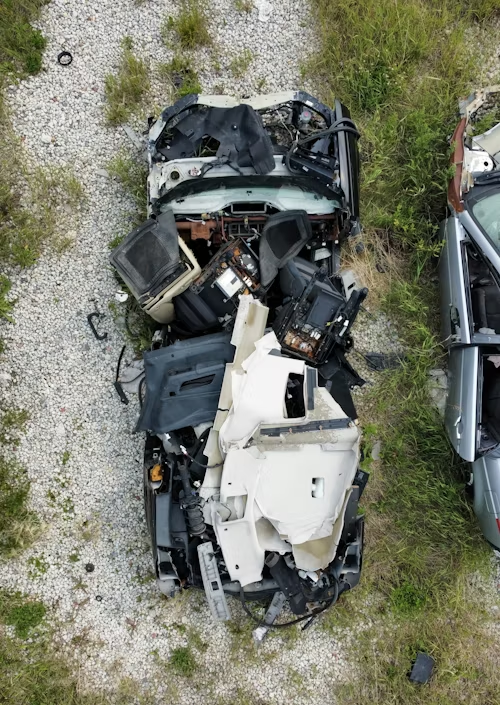
A scrap car is not merely an old vehicle; it has reached a point where it is no longer viable to keep on the road. This could be due to extensive mechanical failure, structural damage, or simply the cost of maintaining it outweighing its usefulness. In many cases, vehicles become scrap after accidents, prolonged neglect, or when they fail to meet safety and emission standards.
When Does a Car Become Scrap?
A vehicle is generally considered scrap when it is uneconomical to repair. For example, if the cost of fixing the engine, transmission, or body damage exceeds the car’s market value, owners often choose to scrap it instead. Insurance write-offs also fall into this category, where repair costs are deemed too high by insurers.
Legal and Regulatory Factors in Australia
In Melbourne and across Victoria, regulations influence when a car becomes scrap. Roadworthiness standards are strict, and vehicles that fail inspections may not be legally driven unless repaired. Environmental laws also play a role, particularly regarding emissions and disposal of hazardous materials such as oil, coolant, and batteries.
Not All Scrap Cars Are Completely Useless
Even when a car is labelled as scrap, many of its parts remain functional. Components like engines, gearboxes, tyres, and electronics can often be salvaged and reused. The metal body itself is highly recyclable, making scrap cars a valuable resource rather than mere waste.
The Scrap Car Industry in Melbourne
Melbourne has developed a well-structured scrap car industry that supports both environmental sustainability and economic activity. With thousands of vehicles reaching the end of their life each year, the industry has become an essential part of the city’s automotive ecosystem.
Growth of the Industry
The increase in vehicle ownership over the years has naturally led to a rise in end-of-life vehicles. As newer models enter the market and older ones become obsolete, scrap car services have expanded to meet the growing demand. This includes towing services, dismantling facilities, and recycling plants.
Role of Car Removal Services
Car removal companies in Melbourne simplify the process for vehicle owners. They often provide free collection services, making it convenient to dispose of unwanted cars. This accessibility encourages responsible disposal rather than illegal dumping or abandonment.
Economic Contribution
The scrap car industry contributes to the local economy by creating jobs in dismantling, recycling, logistics, and the resale of parts. It also supports secondary markets, where refurbished components are sold at lower prices, benefiting consumers and repair businesses.
Environmental Importance of Scraping Cars
One of the most significant reasons scrap cars matter in Melbourne is their environmental impact. Proper disposal and recycling help reduce pollution and conserve natural resources.
Reducing Landfill Waste
Old vehicles can take up significant space in landfills if not properly recycled. By dismantling scrap cars and reusing materials, the volume of waste is significantly reduced. Metals, plastics, and glass can all be processed and repurposed.
Recycling Valuable Materials
Cars are made up of materials that can be recycled multiple times without losing quality. Steel and aluminium are particularly valuable, as they can be melted down and reused in manufacturing new vehicles or other products. This reduces the need for mining raw materials.
Preventing Environmental Hazards
Scrap cars contain hazardous substances such as engine oil, brake fluid, and battery acid. If left unmanaged, these can leak into soil and waterways, causing environmental damage. Professional scrapping ensures these materials are safely removed and disposed of according to regulations.
Why Scrap Cars Are Increasing in Melbourne
Several factors contribute to the growing number of scrap cars in Melbourne, reflecting broader changes in society, technology, and policy.
Ageing Vehicle Population
Many vehicles on Melbourne roads are ageing, and as they reach the end of their lifespan, they are more likely to become scrap. Older cars are also less fuel-efficient and may not meet modern emission standards.
Rising Repair Costs
Modern vehicles are more complex, and repairing them can be expensive. Advanced electronics and specialised parts increase labour and repair costs, making scrapping a more practical option for many owners.
Urban Expansion and Lifestyle Changes
As Melbourne expands, the demand for reliable and efficient transportation grows. People are more inclined to replace older vehicles with newer, safer, and more environmentally friendly models. This naturally increases the number of cars being scrapped.
The Process of Scrapping a Car
Understanding how a car is scrapped helps clarify why the industry is essential and how it operates efficiently.
Collection and Transportation
Once a vehicle is deemed scrap, it is usually collected by a removal service. These companies transport the car to a dismantling facility, ensuring it is handled safely and legally.
Dismantling and Salvage
At the facility, the car is carefully dismantled. Usable parts are removed and tested for resale, while non-functional components are separated for recycling. This step maximises the value extracted from the vehicle.
Recycling and Disposal
The remaining structure, primarily metal, is crushed and sent to recycling plants. Hazardous materials are disposed of according to environmental guidelines, ensuring minimal impact on the ecosystem.
Benefits of Scrap Car Services for Melbourne Residents
Scrap car services offer several advantages to individuals and the community, making them an essential part of urban life.
Convenience for Vehicle Owners
Disposing of a scrap car can be challenging without proper services. Car removal companies simplify the process by offering collection and handling all necessary paperwork.
Financial Incentives
Many scrap car services offer cash payments for vehicles, even if they are no longer operational. This provides an added incentive for owners to dispose of their cars responsibly.
Supporting Sustainability
By choosing to scrap a car through proper channels, residents contribute to environmental conservation. Recycling reduces the demand for raw materials and lowers overall carbon emissions.
Frequently Asked Questions
What is considered a scrap car in Melbourne?
A scrap car in Melbourne is any vehicle that is no longer roadworthy or economically viable to repair. This includes accident-damaged cars, vehicles with major mechanical issues, or those that fail to meet safety and emission standards.
Can I get money for my scrap car?
Yes, many scrap car services in Melbourne offer cash payments based on the vehicle’s condition, weight, and salvageable parts. Even non-running cars can have value due to their recyclable materials.
Is scrapping a car environmentally friendly?
Scrapping a car through licensed services is environmentally friendly because it ensures proper recycling of materials and safe disposal of hazardous substances, reducing pollution and conserving resources.
Conclusion
Scrap cars represent more than just the end of a vehicle’s usability; they are a crucial part of a sustainable and efficient automotive lifecycle. In Melbourne, the growing importance of environmental responsibility, combined with economic and regulatory factors, has made the scrap car industry an essential component of the city’s infrastructure.
By understanding what defines a scrap car and why the process matters, vehicle owners can make informed decisions that benefit both themselves and the wider community. The structured approach to car removal, dismantling, and recycling ensures that valuable materials are reused while minimising environmental harm.
As Melbourne continues to evolve, the role of scrap car services will only become more significant, supporting a cleaner, more sustainable future while maintaining the balance between progress and responsibility.









Leave a Reply