
Pest problems are one of the most common household and commercial challenges worldwide. From ants in kitchens and cockroaches in drains to rodents in storage areas and termites in structural wood, pests can quickly turn a clean and organised space into a stressful environment. Because of this, people often look for quick answers, especially when infestations appear suddenly.
One of the most frequently asked questions in pest management is: Which solution is used in pest control? The answer is not a single product or method. Instead, pest control relies on a wide range of solutions that are chosen based on the type of pest, the severity of the infestation, the environment, and long-term prevention goals.
Modern pest control is not just about killing pests. It is about identifying the root cause, disrupting pest survival conditions, applying targeted treatments, and ensuring they do not return. This means professionals use chemical, biological, physical, and environmental solutions together in a structured approach.
This guide explores the different Pest Control Solutions, how they work, when they are applied, and why combining them leads to better long-term results.
What Is the Main Solution Used in Pest Control
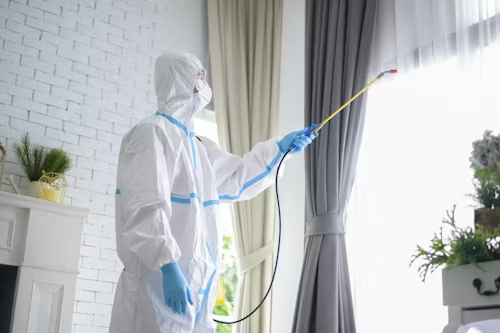
There is no single universal solution used in pest control. Instead, professionals use integrated pest management, which combines multiple methods such as chemical treatments, traps, biological control, and environmental modification.
Each solution plays a specific role. Some are used to eliminate active infestations, while others are used to prevent future pest problems.
The most effective pest control solutions always depend on matching the right method to the right pest and situation.
Why Pest Control Uses Multiple Solutions
Pests are highly adaptable organisms. They live in different environments, behave differently, and respond differently to treatment methods.
Different Pest Behaviours
Ants form colonies, cockroaches hide in dark spaces, rodents travel in search of food, and termites live in underground systems.
Different Environments
Indoor kitchens, outdoor gardens, commercial buildings, and storage facilities all require different control strategies.
Resistance and Survival
Some pests become resistant to certain chemicals or avoid exposed treatments.
Because of these differences, pest control must use a combination of solutions rather than relying on one method.
Chemical Solutions in Pest Control
Chemical treatments are one of the most widely used solutions in pest control.
Insecticides
These are used to kill or control insect pests such as cockroaches, ants, flies, and mosquitoes.
They may be applied as sprays, dusts, or liquid concentrates depending on the situation.
Rodenticides
These are used to control rats and mice. They are usually placed in bait stations to ensure safety and targeted delivery.
Termiticides
These are specialised chemicals used to protect structures from termite damage. They may be applied to soil or wood, depending on the method.
How Chemical Solutions Work
Chemical solutions affect the nervous system or biological functions of pests, leading to the elimination or disruption of their life cycle.
Limitations of Chemical Solutions
While effective, chemicals alone may not solve the root cause of infestations. Pests hidden in nests or colonies may survive and return if other control measures are not used.
Biological Pest Control Solutions
Biological solutions use natural organisms or processes to reduce pest populations.
Natural Predators
Some pests are controlled by introducing their natural enemies, such as beneficial insects that feed on harmful species.
Microbial Agents
Certain bacteria or fungi can be used to target specific pests without harming the environment.
Eco-Friendly Approach
Biological control is often used in agriculture and outdoor environments where reducing chemical use is important.
Limitations
Biological methods work more slowly and may not be suitable for urgent infestations inside homes.
Physical Pest Control Solutions
Physical methods are simple but highly effective in many situations.
Traps
Traps are used for rodents and some insects. They help capture or monitor pest activity.
Barriers
Screens, mesh, and sealed entry points prevent pests from entering buildings.
Manual Removal
In some cases, pests or nests can be physically removed.
Heat and Cold Treatments
Extreme temperatures can be used to kill pests such as bed bugs.
Physical solutions are often used alongside other methods for better results.
Environmental Pest Control Solutions
Environmental control focuses on changing conditions that allow pests to survive.
Removing Food Sources
Proper storage and cleaning reduce attraction.
Reducing Moisture
Fixing leaks and improving ventilation make environments less suitable for pests.
Decluttering Spaces
Removing clutter reduces hiding areas.
Outdoor Maintenance
Trimming vegetation and managing waste reduces pest pressure.
Environmental solutions are one of the most important long-term strategies.
Integrated Pest Management as the Primary Solution
Integrated Pest Management, often called IPM, is the most complete pest control approach.
Step One Inspection
Identify pests and assess infestation levels.
Step Two Prevention
Reduce food, water, and shelter availability.
Step Three Targeted Treatment
Apply chemical or physical methods only where needed.
Step Four Monitoring
Track pest activity over time to prevent recurrence.
IPM combines multiple solutions into one structured system.
Common Solutions Used for Specific Pests
Different pests require different treatment combinations.
Cockroach Control Solutions
Cockroach control often uses baiting systems, targeted sprays, and sanitation improvements.
Ant Control Solutions
Ant control relies on colony targeting, bait stations, and sealing entry points.
Rodent Control Solutions
Rodent control includes traps, exclusion work, and baiting systems.
Termite Control Solutions
Termite control uses soil treatment, bait systems, and long-term monitoring.
Mosquito Control Solutions
Mosquito control focuses on water removal, larvicide application, and outdoor management.
Each pest requires a tailored solution.
Chemical vs Non-Chemical Solutions
Pest control often involves balancing chemical and non-chemical methods.
Chemical Advantages
Fast results and strong effectiveness for active infestations.
Non-Chemical Advantages
Safer, environmentally friendly, and focused on prevention.
Combined Use
The best results often come from combining both approaches.
Why Targeted Solutions Work Better Than General Spraying
One of the most important improvements in modern pest control is the shift from general spraying to targeted solutions.
General Spraying Issues
It may miss hidden nests and can lead to overuse of chemicals.
Targeted Approach Benefits
It focuses on where pests actually live and breed, increasing efficiency and reducing waste.
Role of Monitoring Solutions in Pest Control
Monitoring is a key part of long-term pest management.
Traps for Tracking Activity
Help detect early signs of infestation.
Inspection Devices
Used to identify hidden pest presence.
Regular Follow-Ups
Ensure treatments are still effective.
Monitoring helps prevent re-infestation.
Why Prevention Is a Core Pest Control Solution
Prevention is often the most effective solution of all.
Structural Prevention
Sealing cracks and gaps prevents entry.
Hygiene Prevention
Clean environments reduce pest attraction.
Behavioral Prevention
Proper storage and waste handling reduce risk.
Prevention reduces the need for repeated treatments.
Industrial and Commercial Pest Control Solutions
Commercial environments require more structured solutions.
Food Safety Measures
Strict hygiene and monitoring systems are required.
Regular Service Plans
Scheduled treatments ensure compliance and safety.
Discreet Applications
Non-disruptive solutions maintain business operations.
Commercial pest control often uses layered solutions.
Residential Pest Control Solutions
Homes require balanced solutions that prioritise safety.
Safe Chemical Use
Low-toxicity treatments are often preferred indoors.
Preventive Measures
Home maintenance plays a major role.
Seasonal Adjustments
Solutions may change based on weather conditions.
Residential pest control focuses on comfort and safety.
Why No Single Solution Works for All Pests
Pests differ in biology, behaviour, and environment.
A solution that works for ants may not work for termites or rodents.
This is why pest control relies on multiple combined solutions.
How Professionals Choose the Right Solution
Professionals base their decisions on several factors.
Pest Identification
Correct identification is essential.
Infestation Level
Light infestations may need minimal treatment, while severe ones require stronger intervention.
Environmental Conditions
Indoor and outdoor environments require different strategies.
Safety Requirements
Homes, schools, and food areas require careful solution selection.
Common Mistakes in Pest Control Solutions
Overusing Chemicals
This can create resistance and reduce effectiveness.
Ignoring Prevention
Without prevention, pests often return.
Misidentifying Pests
Wrong identification leads to wrong solutions.
Delayed Treatment
Waiting too long makes infestations harder to control.
Avoiding these mistakes improves results significantly.
Future of Pest Control Solutions
Pest control is evolving toward smarter and more sustainable methods.
Smart Monitoring Systems
Technology helps detect pests early.
Eco-Friendly Solutions
Reduced chemical use is becoming more common.
Data-Based Strategies
Decisions are increasingly based on tracking pest behaviour patterns.
Future solutions will be more precise and efficient.
Frequently Asked Questions
Which solution is most used in pest control?
Integrated pest management combines chemical, physical, and environmental methods.
Are chemical solutions always necessary?
No, many infestations can be controlled using non-chemical methods or combined approaches.
What is the safest pest control solution?
Prevention and environmental control are the safest long-term solutions.
Conclusion
If you are asking which solution is used in pest control, the most accurate answer is that no single solution is used on its own. Instead, pest control relies on a combination of chemical, biological, physical, and environmental methods working together under an integrated system.
Each solution plays an important role, from eliminating active pests to preventing future infestations. The most effective pest control strategies are those that are tailored to the specific pest, environment, and level of infestation.
In the end, successful pest control is not about choosing one solution. It is about using the right combination of solutions to create a safe, clean, and pest-free environment that lasts.






Leave a Reply