
Across expanding urban landscapes and regional roads alike, vehicles eventually reach a point where repair is no longer practical. Whether due to age, damage, or mechanical failure, these cars often find their way to specialised facilities that transform what appears to be waste into valuable resources.
These places are not merely dumping grounds; they are carefully managed environments where efficiency, sustainability, and economic value intersect.
Car wrecking yard operations have evolved far beyond the chaotic image many people still imagine. Today, they function as organised hubs where dismantling, recycling, and resale are conducted with precision. Vehicles are assessed, stripped of usable components, and processed in ways that minimise environmental impact while maximising recovery.
Understanding how these yards operate reveals a surprisingly sophisticated industry. From environmental safeguards to inventory systems and global demand for second-hand parts, the modern wrecking yard plays a crucial role in both the automotive lifecycle and the circular economy.
The Evolution of the Auto Salvage Industry
From Scrap Heaps to Structured Systems
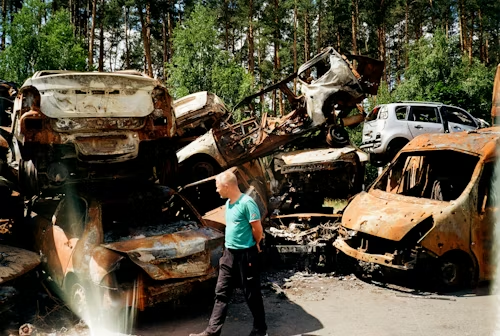
In earlier decades, wrecking yards were often unregulated spaces filled with stacked vehicles and minimal oversight. Cars were left exposed to the elements, fluids leaked into the soil, and parts were removed without systematic tracking. This lack of structure created environmental concerns and limited the potential value of salvaged materials.
Modern facilities have shifted towards regulated, structured environments. Vehicles are now categorised upon arrival, documented digitally, and dismantled using standardised procedures. This transformation has turned wrecking yards into organised industrial operations rather than informal scrapyards.
The Role of Technology in Modern Yards
Technology has reshaped how wrecking yards function. Inventory systems track thousands of parts, allowing businesses to locate components quickly and match them with buyers. Online platforms enable customers to search for specific parts across multiple yards, expanding market reach beyond local regions.
Automation also plays a role in dismantling processes. Hydraulic tools, fluid drainage systems, and compactors improve efficiency while reducing manual labour. These advancements allow yards to process vehicles faster while maintaining safety and environmental compliance.
Regulatory Changes and Environmental Responsibility
Governments have introduced stricter regulations to ensure wrecking yards operate responsibly. These include requirements for proper fluid disposal, hazardous material handling, and recycling targets. Compliance is no longer optional; it is essential for operation.
As a result, modern yards invest in infrastructure such as sealed drainage systems, storage tanks for oils and fuels, and designated zones for hazardous components like batteries and airbags. These measures protect surrounding ecosystems and improve industry standards.
Inside the Daily Operations of a Wrecking Yard
Vehicle Intake and Assessment
Every vehicle entering a wrecking yard undergoes an initial assessment. Staff evaluate its condition, identifying parts that can be reused and materials suitable for recycling. This stage determines how the vehicle will be processed and what value can be extracted.
Documentation is critical at this point. Vehicle identification numbers, ownership records, and condition reports are logged to ensure traceability and compliance with legal requirements.
Dismantling and Parts Recovery
Once assessed, vehicles move to dismantling areas where skilled technicians remove usable components. Engines, transmissions, alternators, and electronic systems are carefully extracted to preserve functionality. Interior elements such as seats and dashboards may also be salvaged.
This process requires expertise, as improper removal can damage parts and reduce their resale value. Technicians must understand vehicle systems and use appropriate tools to maintain component integrity.
Recycling and Material Processing
After usable parts are removed, the remaining structure is processed for recycling. Metals such as steel and aluminium are separated and sent to recycling facilities, where they are melted down and reused in manufacturing.
Non-metal materials, including plastics and glass, are also sorted. While some of these materials are harder to recycle, advancements in recycling technology continue to improve recovery rates.
Economic Value and Market Demand
The Growing Demand for Used Auto Parts
The demand for second-hand car parts has increased significantly. Rising costs of new components and supply chain disruptions have made used parts a practical alternative for many consumers and repair businesses.
Wrecking yards supply a wide range of components at lower prices, making vehicle repairs more affordable. This accessibility extends the lifespan of vehicles and reduces the need for new manufacturing.
Export Opportunities and Global Markets
Many wrecking yards participate in international trade, exporting parts to countries where demand exceeds local supply. Engines, transmissions, and specialised components are shipped worldwide, creating additional revenue streams.
This global market has encouraged yards to maintain higher standards in part quality and documentation. Buyers expect reliable products, and reputation plays a significant role in securing repeat business.
Supporting Local Economies
Wrecking yards contribute to local economies by providing employment opportunities and supporting related industries. Mechanics, transport services, and recycling facilities all benefit from the presence of a well-run yard.
Additionally, affordable parts help small repair shops remain competitive, ensuring that vehicle maintenance remains accessible to a broader population.
Environmental Impact and Sustainability
Reducing Automotive Waste
One of the most significant contributions of wrecking yards is waste reduction. By salvaging usable parts and recycling materials, these facilities prevent large volumes of waste from ending up in landfills.
Each dismantled vehicle represents a substantial recovery of resources. Metals are reused, components are repurposed, and hazardous materials are safely managed.
Safe Handling of Hazardous Materials
Vehicles contain substances that can be harmful if not handled correctly. Oils, coolants, brake fluids, and battery acids require careful extraction and storage. Modern yards follow strict procedures to prevent contamination.
Specialised equipment is used to drain fluids, and storage systems ensure they are disposed of or recycled safely. This approach minimises environmental risks and aligns with regulatory requirements.
Contribution to the Circular Economy
Wrecking yards are a key part of the circular economy, where materials are reused rather than discarded. By extending the lifecycle of automotive components, they reduce the demand for new production and conserve natural resources.
This model supports sustainability goals and highlights the importance of resource efficiency in industrial practices.
Choosing and Working with a Wrecking Yard
What to Look for in a Reliable Yard
Selecting a reputable wrecking yard is essential for both sellers and buyers. Key factors include proper licensing, organised inventory systems, and transparent pricing. A well-managed yard demonstrates professionalism and adherence to regulations.
Customer service also plays a role. Clear communication, accurate part descriptions, and warranty options indicate a commitment to quality and reliability.
Selling Your Vehicle to a Wrecking Yard
For vehicle owners, selling to a wrecking yard can be a straightforward process. The yard assesses the car’s condition and offers a price based on its value in parts and materials. This option is often more practical than attempting costly repairs or private sales for damaged vehicles.
Preparation may involve removing personal belongings and ensuring ownership documentation is in order. Some yards also offer vehicle collection services, adding convenience for sellers.
Buying Parts with Confidence
Purchasing parts from a wrecking yard requires attention to detail. Buyers should verify compatibility, inspect the condition where possible, and confirm warranty terms. Many yards provide testing and quality checks to ensure parts are functional.
Online platforms have simplified the search process, allowing customers to compare options and find specific components quickly. This accessibility has broadened the appeal of used parts across different customer groups.
Frequently Asked Questions
What happens to a car after it enters a wrecking yard?
Once a car arrives, it is assessed, documented, and dismantled. Usable parts are removed and sold, while the remaining materials are recycled. Hazardous substances are safely extracted and disposed of according to regulations.
Are used car parts from wrecking yards reliable?
Yes, many parts are tested and inspected before sale. Reputable yards often provide warranties or guarantees, ensuring that buyers receive functional components suitable for their needs.
Can I sell a completely damaged car to a wrecking yard?
Yes, even severely damaged vehicles have value in terms of parts and recyclable materials. Wrecking yards typically accept cars in various conditions and determine pricing based on recoverable components and scrap value.
Conclusion
The modern wrecking yard represents far more than a final destination for old vehicles. It is a dynamic, structured industry that combines economic opportunity with environmental responsibility. Through advanced processes, technological integration, and adherence to regulations, these facilities transform automotive waste into valuable resources.
As demand for sustainable practices continues to grow, the role of wrecking yards will become increasingly significant. They not only support affordable vehicle maintenance but also contribute to global recycling efforts and resource conservation. Understanding their operations reveals a system that is both practical and essential in today’s automotive landscape.











Leave a Reply