
In early childhood education, the importance of fostering curiosity cannot be overstated. Play-based learning has emerged as a central pillar of modern educational approaches, focusing on the natural instincts of children to explore, question, and engage with the world around them.
Through this method, young minds are not just taught academic concepts, but are also encouraged to develop critical thinking, problem-solving, and social skills in a fun, engaging environment.
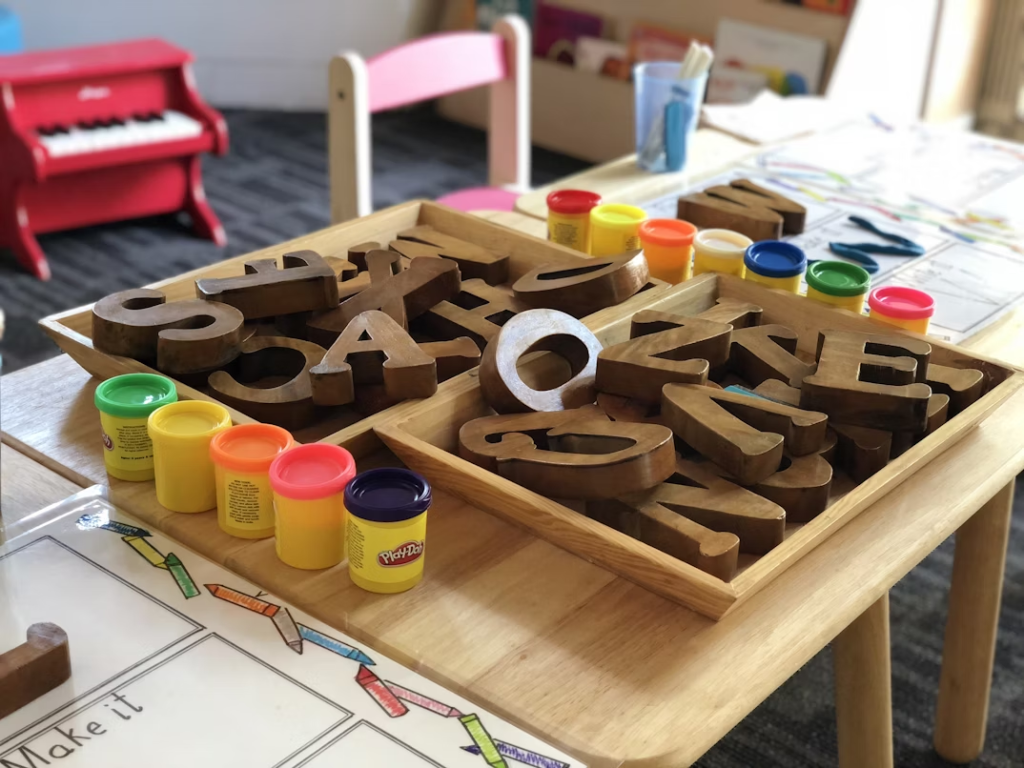
If you are interested in how play-based learning nurtures young minds, why not look here for more information.
The Core of Play-Based Learning
Play-based learning is rooted in the idea that children learn best when they are actively engaged in experiences that they find meaningful.
Unlike traditional teaching methods that often focus on structured lessons and formal assessments, play-based learning encourages children to interact with their environment and peers to discover new concepts.
What is Play-Based Learning?
At its core, play-based learning is a teaching approach where children learn through activities that are enjoyable and stimulating. Instead of following a rigid curriculum, the focus is on exploration and creativity.
This approach builds on the intrinsic motivation that children have to play and make sense of the world around them.
- Active Engagement: Children are encouraged to actively participate in their learning rather than passively absorb information.
- Intrinsic Motivation: Play is a natural part of childhood development, and by using it as a vehicle for learning, children remain engaged and enthusiastic.
- Holistic Development: Play-based learning supports cognitive, emotional, social, and physical development, helping children grow in a well-rounded manner.
Through play, children develop not only academic skills but also emotional resilience, social competence, and a lifelong love of learning.
The Benefits of Play-Based Learning
Play-based learning provides numerous benefits that can positively impact a child’s development. It promotes creativity, critical thinking, and social interaction, laying a strong foundation for future learning experiences.
Cognitive Development Through Play
One of the most significant advantages of play-based learning is its ability to foster cognitive development in young children. As they engage in play, children develop problem-solving abilities, logical thinking, and a deeper understanding of the world around them.
- Enhancing Problem-Solving Skills: Through activities like building with blocks or playing pretend, children face challenges that require creative solutions. This encourages them to think critically and come up with innovative solutions.
- Understanding Cause and Effect: Many play activities, such as playing with water or experimenting with different materials, help children understand how their actions affect the world around them. This is crucial for cognitive development as they start to grasp the concept of cause and effect.
Cognitive skills developed through play provide a solid foundation for academic learning later in life, helping children tackle more complex tasks as they grow.
Emotional Growth and Self-Regulation
In addition to cognitive benefits, play-based learning also plays a significant role in emotional development.
Children who engage in play often experience a range of emotions, from excitement to frustration, and learning how to navigate these emotions helps with self-regulation.
- Building Emotional Intelligence: When children play with others, they learn how to manage their emotions, empathise with others, and handle conflict. These skills are vital for developing emotional intelligence and fostering healthy relationships.
- Self-Regulation: Through activities like turn-taking or following rules in games, children learn self-control and patience, skills that will serve them well in school and life.
Emotional development nurtured through play allows children to develop resilience, manage stress, and engage with others in a positive way.
Social Skills and Collaboration
Play-based learning offers a rich environment for children to practice social skills and learn the value of teamwork. By interacting with peers, children learn to communicate effectively, share, and collaborate.
- Cooperation and Collaboration: Group play encourages children to work together towards a common goal. This fosters cooperation, negotiation, and leadership skills as they take turns, share resources, and collaborate on tasks.
- Conflict Resolution: In play-based environments, children often face disagreements or challenges with others. Through these experiences, they develop the ability to resolve conflicts, communicate their feelings, and understand the perspectives of others.
These social skills form the foundation for building meaningful relationships throughout a child’s life and play a key role in their overall development.
Play-Based Learning and Curiosity
Curiosity is at the heart of play-based learning. When children are allowed to explore and investigate their environment freely, their natural curiosity flourishes. This process not only helps children acquire knowledge but also fosters a love for learning that lasts a lifetime.
Encouraging Exploration and Discovery
In play-based learning, children are given the freedom to explore, experiment, and discover new things in their own time and at their own pace. This fosters an environment of exploration, where children can satisfy their curiosity and learn through trial and error.
- Hands-On Learning: Whether it’s investigating the properties of different materials or exploring a nature-based activity, children are encouraged to physically interact with the world around them. This hands-on approach makes abstract concepts more tangible and easier to understand.
- Self-Directed Learning: When children are given the freedom to choose their activities, they take ownership of their learning. This boosts their confidence and encourages independent thinking, which is key for fostering curiosity.
By allowing children to take the lead in their learning experiences, educators and caregivers help cultivate a deeper curiosity and a passion for discovering new things.
Nurturing Creativity and Imagination
Play-based learning places a strong emphasis on creative expression and imaginative play. Through activities such as dress-up, role-playing, and art projects, children are encouraged to use their imagination and explore different ideas, scenarios, and possibilities.
- Creative Expression: Play fosters creativity by giving children the opportunity to express their thoughts and emotions in creative ways. Whether through drawing, storytelling, or building, children use play as a form of personal expression.
- Imaginative Problem-Solving: In imaginative play, children often act out complex scenarios, which allows them to experiment with different solutions. This enhances their ability to think creatively and problem-solve in novel ways.
Creative play not only stimulates curiosity but also helps children understand the world from different perspectives, broadening their thinking and expanding their horizons.
How Play-Based Learning Shapes Academic Success
While play-based learning is often associated with early childhood education, it also plays an important role in laying the foundation for future academic success. By fostering a love for learning, curiosity, and problem-solving, play-based learning helps children develop essential skills that contribute to their academic achievement.
Building a Strong Foundation for Literacy and Numeracy
Though play may seem unrelated to academic subjects like literacy and numeracy, it actually plays a critical role in preparing children for these areas. Through play-based activities, children begin to develop basic skills that are later built upon in more formal education settings.
- Literacy Development: Pretend play, storytelling, and engaging with books all help children develop early literacy skills, such as listening, vocabulary, and comprehension.
- Numeracy Skills: Activities like building with blocks, sorting objects, and counting during play help children develop an early understanding of numbers, shapes, and patterns.
These foundational skills, learned through play, form the basis for more complex academic learning in later years.
Promoting Cognitive and Critical Thinking Skills
Play-based learning encourages children to think critically, make decisions, and solve problems. These cognitive skills are essential for success in school and beyond.
- Logical Thinking: Through puzzles, games, and other activities, children learn to think logically and make connections between different concepts.
- Decision Making: Play-based learning encourages children to make decisions, whether it’s deciding how to build something or what to do next in a game. This helps them develop reasoning and critical thinking skills.
These cognitive abilities are crucial for academic success, as they support skills like reading comprehension, math problem-solving, and scientific inquiry.
Conclusion
Play-based learning is an effective and holistic approach that shapes young minds by fostering curiosity, creativity, and a love for learning.
Through engaging in play, children develop not only academic skills but also emotional intelligence, social competence, and critical thinking abilities.
By encouraging exploration, experimentation, and imagination, play-based learning sets the stage for lifelong curiosity and academic success.
As more educators and parents recognise its benefits, play-based learning continues to be an essential tool in nurturing the minds of the next generation.
Frequently Asked Questions
What are the key benefits of play-based learning?
Play-based learning helps foster curiosity, creativity, and critical thinking in young children. It supports emotional, social, cognitive, and physical development, creating a well-rounded foundation for lifelong learning.
How does play-based learning support academic success?
Through play, children develop early literacy and numeracy skills, as well as cognitive and problem-solving abilities. These foundational skills are critical for academic success in later years.
Can play-based learning be incorporated into all types of learning environments?
Yes, play-based learning can be adapted to various environments, from formal classrooms to informal home settings. Its flexibility allows it to be integrated into a variety of teaching methods and age groups.







Leave a Reply