
Termite damage can be one of the most frustrating discoveries for any property owner. These silent pests often work unnoticed for long periods, gradually weakening structural timber, flooring, and internal frameworks. By the time the damage becomes visible, repairs may already be necessary.
A common question many homeowners ask is whether termite damage can actually be treated. The short answer is yes, but treatment does not mean simply eliminating termites. It involves a combination of pest elimination, structural repair, and long-term prevention to ensure the problem does not return.
This guide explains how Termite Damage Treatment works, what recovery involves, and why professional intervention is often essential for restoring safety and stability to a property.
Understanding What Termite Damage Really Means
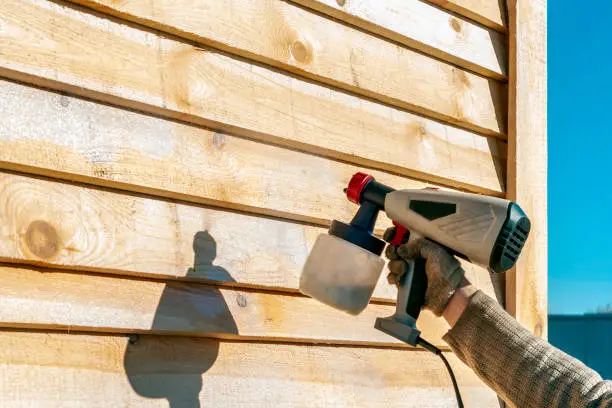
Before discussing treatment, it is important to understand what termite damage actually involves.
Internal Structural Destruction
Termites primarily consume cellulose found in wood. They often eat timber from the inside out, leaving a thin outer shell that appears intact.
This means that significant structural weakening can occur before any visible signs appear.
Progressive Nature of Damage
Unlike sudden breakage, termite damage builds gradually over time. As colonies grow, so does the level of destruction.
This slow progression makes early detection difficult but critical for reducing repair costs.
Hidden Impact Within Buildings
Termite damage is not always visible on the surface. It can affect walls, flooring, roof supports, and even furniture.
Because of this hidden nature, inspections are essential before any repair work begins.
Can You Treat Termite Damage
Yes, termite damage can be treated, but it involves multiple stages rather than a single solution.
Step One: Eliminating Active Termites
The first step in treating termite damage is ensuring that the infestation is completely removed. Without this step, any repairs will be temporary.
Pest control professionals use baiting systems, chemical barriers, or direct treatments to eliminate colonies.
Step Two: Assessing Structural Integrity
Once termites are removed, the next step is evaluating how much structural damage has occurred. This assessment determines whether repair or replacement is needed.
In some cases, only minor reinforcement is required, while in others, full replacement of timber components is necessary.
Step Three: Repairing or Replacing Damaged Materials
After assessment, damaged wood and structural elements are repaired or replaced. This restores stability and ensures the building remains safe for use.
The extent of repair depends on how deeply termites have affected the structure.
Step Four: Preventing Future Infestations
Treatment is not complete without prevention. Measures such as soil barriers, baiting systems, and moisture control are implemented to reduce future risk.
This ensures long-term protection of the property.
Common Types of Termite Damage in Buildings
Understanding the types of damage helps in identifying the appropriate treatment approach.
Structural Timber Damage
This is the most serious form of termite damage. It affects beams, joists, and load-bearing structures.
If left untreated, it can compromise the safety of the entire building.
Flooring and Subfloor Damage
Termites often target flooring systems, especially in areas with moisture or poor ventilation.
This can result in sagging floors or hollow-sounding surfaces.
Wall and Partition Damage
Internal walls may also be affected, particularly in hidden or less accessible areas.
Damage here can be extensive before it becomes visible.
Furniture and Fixtures
In some cases, termites may damage furniture, cabinets, and wooden fixtures.
While not structural, this still represents financial loss.
How Professionals Treat Termite Damage
Professional treatment involves a structured and systematic approach.
Comprehensive Inspection and Mapping
Experts begin by conducting a detailed inspection to map out all affected areas. This may include moisture readings, tapping tests, and thermal imaging.
The goal is to understand the full extent of the damage.
Termite Eradication Methods
Depending on the situation, different eradication methods are used.
- Chemical soil treatments create protective barriers
- Baiting systems eliminate entire colonies
- Direct wood treatments target active infestations
Each method is chosen based on severity and location.
Structural Engineering Assessment
In severe cases, structural engineers may be involved to evaluate safety risks.
This ensures that repairs meet building standards and safety requirements.
Targeted Repair and Reconstruction
Once termites are eliminated, damaged sections are repaired or rebuilt. This may involve replacing beams, reinforcing structures, or restoring surfaces.
The goal is to restore full structural integrity.
Factors That Influence Repair Complexity
Not all termite damage is the same, and several factors affect how it is treated.
Extent of Infestation
The longer termites remain undetected, the more extensive the damage becomes.
Early detection leads to simpler repairs.
Type of Timber Affected
Different types of wood react differently to termite activity. Some may deteriorate faster than others.
This influences repair decisions.
Location of Damage
Damage in hard-to-reach areas such as roof spaces or subfloors may require more complex repair methods.
Accessibility plays a key role in treatment planning.
Moisture Conditions
High moisture levels can worsen termite activity and complicate repairs.
Controlling moisture is essential during treatment.
Preventing Further Termite Damage After Treatment
Once repairs are completed, prevention becomes the priority.
Installing Termite Barriers
Chemical or physical barriers are installed around the property to prevent re-entry.
These barriers act as long-term protection systems.
Regular Inspections
Routine inspections help detect early signs of reinfestation.
This is especially important in high-risk areas.
Moisture Control and Ventilation
Reducing moisture levels makes the environment less attractive to termites.
Proper drainage and ventilation are key preventive measures.
Landscaping Adjustments
Keeping soil, mulch, and wood away from the foundation reduces risk.
Simple landscaping changes can make a big difference.
Cost Considerations for Termite Damage Treatment
Repair costs vary depending on severity and scope.
Minor Damage Repairs
Small-scale damage may only require localised repairs and treatment.
These cases are generally less expensive.
Moderate Structural Repairs
When multiple areas are affected, costs increase due to labour and material requirements.
This may include partial replacements.
Severe Structural Restoration
In extreme cases, major reconstruction may be needed.
This is the most costly scenario and highlights the importance of early detection.
Why Early Detection Is Critical
Early identification of termite activity can significantly reduce repair costs.
Preventing Structural Collapse
Early treatment prevents weakening of load-bearing structures.
This ensures building safety.
Reducing Financial Impact
The longer termites remain active, the more expensive repairs become.
Early action saves money.
Minimizing Disruption
Small repairs are easier and faster to complete than large-scale reconstruction.
This reduces inconvenience for property owners.
Frequently Asked Questions
Can you treat termite damage?
Yes, termite damage can be treated through a combination of termite elimination, structural repairs, and preventive measures.
Can termite damage be fully repaired?
In most cases, yes, but it depends on the severity of the damage and how early it is detected.
Do I need professionals for termite damage repair?
Yes, professional assessment and treatment are strongly recommended to ensure safety and long-term protection.
Conclusion
Termite damage is a serious issue, but it is not without solutions. While termites can cause significant structural harm, proper treatment involves more than just removing the pests. It requires a complete process that includes eradication, detailed assessment, structural repair, and long-term prevention.
By addressing both the infestation and the damage it causes, property owners can restore safety and stability to their buildings. Working with professionals ensures that repairs are done correctly and that future risks are minimised.
Ultimately, the key to successfully treating termite damage is early detection, prompt action, and ongoing protection.







Leave a Reply