
Pests are an unavoidable part of the environment, but when they begin to invade homes, offices, or commercial spaces, they quickly become a serious concern. From spreading diseases to damaging property, unmanaged pest activity can lead to costly and stressful situations.
This is where pest management services come into the picture—not just as a quick fix, but as a structured and long-term approach to keeping environments safe and pest-free.
This article provides a detailed and practical understanding of Pest Management Services, clearly answering the question “What is the meaning of pest management services?” while also exploring how these services work, why they matter, and what makes them different from simple pest removal methods.
By the end, you will have a well-rounded understanding of how pest management contributes to healthier living and working environments.
What Is the Meaning of Pest Management Services
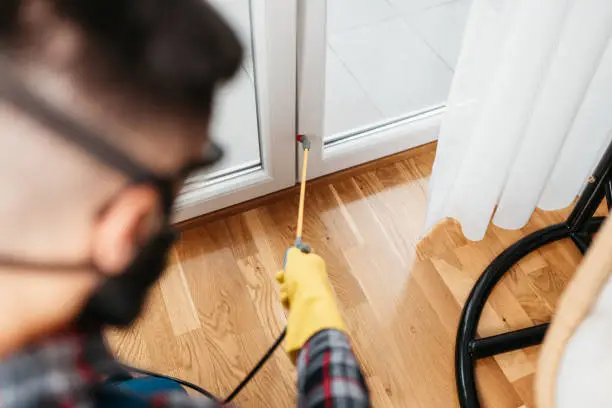
Pest management services refer to a systematic approach to controlling, reducing, and preventing pest infestations using a combination of methods, strategies, and ongoing monitoring.
Definition and Core Concept
Pest management services are designed not only to eliminate existing pests but also to prevent future infestations. Unlike basic pest control or extermination, pest management focuses on long-term solutions by addressing the root causes of pest problems.
This approach includes identifying pest types, understanding their behaviour, and applying tailored treatments that minimise risks to humans, animals, and the environment.
Why the Term Pest Management Is Important
The use of the term “management” highlights that the goal is not always complete eradication but rather maintaining pest populations at safe and acceptable levels. In many environments, especially outdoor or commercial settings, eliminating pests is neither practical nor necessary.
Instead, pest management aims to create balance by reducing pest activity to a level where it no longer causes harm or disruption.
The Difference Between Pest Control and Pest Management
Although often used interchangeably, pest control and pest management have distinct differences in approach and objectives.
Pest Control as a Short-Term Solution
Pest control typically refers to the immediate elimination of pests through chemical or mechanical means. It is often used when infestations are already present and require quick action.
While effective in the short term, pest control alone may not prevent pests from returning if underlying issues are not addressed.
Pest Management as a Long-Term Strategy
Pest management takes a broader view by focusing on prevention, monitoring, and sustainable solutions. It involves ongoing efforts to reduce the conditions that attract pests and support their survival.
This makes pest management a more comprehensive and effective approach for maintaining pest-free environments over time.
Key Components of Pest Management Services
Pest management services are built on several essential components that work together to deliver effective results.
Inspection and Assessment
The first step in pest management is a thorough inspection of the property. This involves identifying the type of pest, the extent of the infestation, and the environmental factors contributing to the problem.
Accurate assessment is crucial because it determines the most appropriate treatment methods and strategies.
Identification of Pest Species
Different pests require different approaches. Proper identification ensures that the treatment is targeted and effective.
For example, the methods used to manage termites will differ significantly from those used for rodents or insects.
Treatment Planning
Once the problem is identified, a customised treatment plan is developed. This plan outlines the methods to be used, the timeline for treatment, and the expected outcomes.
The plan may include chemical treatments, physical barriers, and environmental modifications.
Implementation of Control Measures
The next step is the application of the chosen treatment methods. This may involve spraying, baiting, trapping, or other techniques depending on the situation.
Professionals ensure that treatments are applied safely and effectively to achieve the best results.
Monitoring and Follow-Up
Pest management does not end with treatment. Ongoing monitoring is essential to ensure that pests do not return.
Follow-up visits allow professionals to assess the effectiveness of treatments and make adjustments if necessary.
Types of Pest Management Methods
Pest management services use a variety of methods to control and prevent infestations.
Chemical Methods
Chemical treatments involve the use of pesticides to eliminate pests. These methods are often used for severe infestations and require careful handling.
Professionals use regulated products and apply them in a way that minimises risks to people and the environment.
Biological Methods
Biological control uses natural predators or organisms to manage pest populations. This method is commonly used in agricultural settings but can also be applied in certain residential or commercial environments.
It is considered an environmentally friendly approach to pest management.
Mechanical Methods
Mechanical methods include physical techniques such as traps, barriers, and manual removal. These methods are often used in combination with other strategies.
They are particularly useful for controlling rodents and larger pests.
Cultural Methods
Cultural methods involve modifying the environment to make it less attractive to pests. This includes improving sanitation, removing food sources, and reducing moisture.
These changes help prevent pests from establishing themselves in the first place.
Benefits of Pest Management Services
Pest management services offer several advantages that go beyond simple pest removal.
Long-Term Effectiveness
One of the biggest benefits is the focus on long-term solutions. By addressing the root causes of infestations, pest management reduces the likelihood of recurring problems.
Improved Health and Safety
Pests can carry diseases and contaminate food. Effective pest management helps protect the health of occupants and reduces exposure to harmful pathogens.
Protection of Property
Certain pests, such as termites and rodents, can cause significant structural damage. Pest management services help prevent costly repairs by addressing these threats early.
Environmentally Responsible Approach
Pest management emphasises the use of safe and sustainable methods. This reduces the impact on the environment and promotes healthier ecosystems.
Common Pests Managed by Pest Management Services
Pest management services deal with a wide range of pests that can affect homes and businesses.
Insects
Common insect pests include ants, cockroaches, termites, and mosquitoes. These pests can multiply quickly and become difficult to manage without professional help.
Rodents
Rodents such as rats and mice are known for their ability to cause damage and spread diseases. Pest management services use a combination of traps and exclusion techniques to control them.
Wildlife
In some cases, pest management services also handle wildlife such as birds or small animals that may invade properties.
These situations require specialised techniques to ensure safe and humane management.
How Pest Management Services Work in Different Settings
Pest management services are tailored to suit different environments and requirements.
Residential Pest Management
In homes, pest management focuses on creating a safe and comfortable living environment. This includes eliminating pests and preventing them from returning.
Regular inspections and maintenance are often recommended to ensure ongoing protection.
Commercial Pest Management
Businesses require more structured pest management programs to comply with health and safety regulations.
These services are designed to minimise disruptions while ensuring that the property remains pest-free.
Industrial Pest Management
Industrial settings often involve larger spaces and more complex challenges. Pest management services in these environments require specialised strategies and equipment.
Factors That Affect Pest Management Service Costs
The cost of pest management services can vary depending on several factors.
Type of Pest
Different pests require different treatments, which can affect pricing.
Size of Property
Larger properties typically require more time and resources, leading to higher costs.
Severity of Infestation
More severe infestations may require multiple treatments and follow-up visits.
Frequency of Service
Ongoing maintenance plans may have recurring costs but offer better long-term value.
Choosing the Right Pest Management Service Provider
Selecting the right provider is essential for achieving the best results.
Experience and Expertise
Choose a company with experience in handling various types of pests.
Licensing and Certification
Ensure that the provider is licensed and follows industry standards.
Customer Reviews
Reading reviews can help you assess the quality of service.
Customised Solutions
A good provider will tailor their services to your specific needs.
Preventive Measures to Support Pest Management
While professional services are important, preventive measures also play a key role.
Maintaining Cleanliness
Keeping your environment clean reduces attractants for pests.
Sealing Entry Points
Closing gaps and cracks prevents pests from entering your property.
Proper Waste Management
Disposing of garbage properly helps reduce pest activity.
Regular Inspections
Routine inspections help detect problems early and prevent infestations.
The Role of Integrated Pest Management
Integrated pest management is a comprehensive approach that combines multiple strategies.
Balanced Approach
This method uses a mix of techniques to achieve effective results.
Focus on Prevention
Prevention is a key element, reducing the need for intensive treatments.
Sustainable Solutions
Integrated pest management promotes environmentally friendly practices.
Frequently Asked Questions
What is the meaning of pest management services?
Pest management services refer to a structured approach to controlling and preventing pests using a combination of methods, monitoring, and long-term strategies.
Is pest management better than pest control?
Pest management is more comprehensive because it focuses on prevention and long-term solutions, while pest control often addresses immediate problems.
How often should pest management services be done?
The frequency depends on the level of risk and type of property, but regular maintenance is recommended for best results.
Conclusion
Pest management services provide a comprehensive and effective approach to dealing with pests in both residential and commercial environments. By focusing on prevention, monitoring, and sustainable solutions, these services go beyond simple pest removal to create long-term protection.
Understanding the meaning and value of pest management helps you make informed decisions when choosing how to protect your property. With the right combination of professional services and preventive measures, you can maintain a safe, healthy, and pest-free environment for years to come.







Leave a Reply