
Australia’s workforce depends heavily on utility vehicles. From tradies and agricultural contractors to mining operators and mobile service providers, utes have become more than transport — they are fully integrated work platforms. As industries evolve, standard factory trays no longer meet the practical demands of modern businesses.
Companies now require tailored storage, increased durability, safer load management, and specialised configurations that improve productivity on the road and on-site.
The shift towards tailored vehicle solutions is being driven by operational efficiency. Businesses are seeking ways to reduce downtime, improve organisation, and create mobile workspaces that support daily tasks without compromise.
Whether operating in remote regional areas or busy metropolitan environments, having a purpose-built setup can significantly impact workflow and long-term vehicle performance.
Custom Ute Bodies are becoming the preferred solution for businesses wanting vehicles designed around their specific trade or industry. Instead of adapting work processes to suit a generic tray, operators can now customise layouts, compartments, tool storage, electrical systems, and load capacities to align directly with their operational needs.
This level of flexibility has transformed the ute from a simple utility vehicle into a highly efficient commercial asset.
Across Australia, industries are recognising that vehicle customisation is no longer a luxury addition. It has become an essential investment for improving safety, organisation, and productivity while ensuring vehicles can withstand harsh Australian conditions over extended periods of use.
Why Australian Industries Are Choosing Tailored Ute Solutions
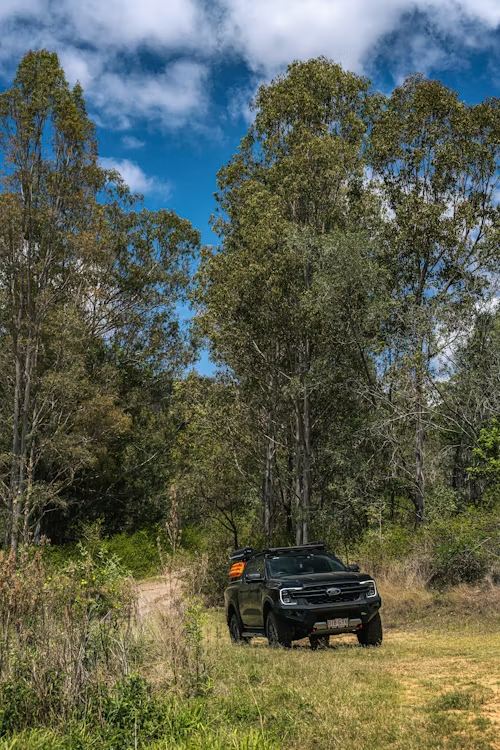
Australian businesses operate in some of the harshest environments in the world. From dusty rural roads to high-temperature mining regions and coastal construction sites, work vehicles must endure conditions that standard factory trays often struggle to handle long-term.
Custom-built ute bodies allow businesses to address industry-specific challenges with greater precision. Electricians require organised lockable compartments for wiring and testing equipment, while plumbers often need pipe storage and integrated shelving systems. Farmers and agricultural contractors benefit from heavy-duty trays capable of transporting machinery, feed, and fencing equipment across uneven terrain.
The mining and infrastructure sectors have also accelerated demand for specialised ute configurations. Vehicles used in remote environments must carry recovery gear, water tanks, tools, communication systems, and safety equipment while maintaining durability under constant heavy loads.
Tailored bodies allow operators to create balanced storage systems that maximise functionality without compromising safety.
Another driving factor is fleet standardisation. Many Australian businesses now operate multiple vehicles across teams and job sites. Custom ute bodies enable organisations to create consistent layouts across fleets, allowing workers to locate tools and equipment quickly, regardless of which vehicle they are using.
This consistency improves operational efficiency and reduces delays caused by disorganisation.
The rise of mobile businesses has further increased the popularity of custom vehicle solutions. Service-based industries such as mobile mechanics, technicians, and emergency repair providers require workstations that function effectively in the field. Purpose-built setups help transform utes into fully operational mobile workshops capable of supporting remote service delivery.
The Engineering Behind Modern Custom Ute Bodies
Designing a custom ute body involves far more than adding storage compartments or installing a tray. Modern fabrication combines engineering precision, weight distribution planning, material selection, and operational functionality to create a durable and practical result.
Material Selection and Durability
Aluminium has become a highly preferred material for many custom builds due to its lightweight nature and corrosion resistance. Reduced vehicle weight improves fuel efficiency and allows for greater payload capacity without exceeding legal limits. Steel, however, remains popular for heavy-duty applications where maximum strength and impact resistance are essential.
Manufacturers often combine both materials strategically, depending on operational requirements. Reinforced steel frames paired with aluminium canopies can deliver strength without unnecessary weight increases. Protective coatings and powder-coated finishes are also widely used to improve resistance against corrosion, UV exposure, and harsh environmental conditions.
Weight Distribution and Load Management
Improper weight distribution can affect vehicle handling, braking, suspension wear, and fuel consumption. Professional ute body builders carefully calculate storage placement and tray configurations to maintain balanced loads across the vehicle.
Heavy equipment is generally positioned lower and closer to the cabin to improve stability during driving. This is particularly important for tradespeople carrying generators, compressors, welders, or hydraulic systems. Proper engineering helps maintain compliance with Australian road safety regulations while extending the lifespan of the vehicle.
Electrical Integration and Smart Features
Modern ute bodies increasingly include advanced electrical integrations designed to support mobile work environments. Businesses often install dual battery systems, solar charging, inverter setups, internal LED lighting, and charging stations for power tools and communication equipment.
Some industries also integrate GPS fleet tracking, security alarms, and remote locking systems into their custom vehicle designs. These additions improve both operational security and efficiency while enabling workers to remain productive in remote locations.
Weather Protection and Security
Australian weather conditions can be highly unpredictable, particularly for workers operating in regional or outdoor environments. Waterproof canopies, dust-sealed compartments, and reinforced locking systems help protect valuable equipment from environmental damage and theft.
High-quality sealing systems are especially important for electrical contractors, surveyors, and mobile technicians carrying sensitive equipment. A well-designed custom body ensures tools and machinery remain protected regardless of weather or terrain conditions.
Industry-Specific Applications for Custom Ute Bodies
Different industries require highly specialised vehicle solutions. Customisation allows businesses to tailor every element of the vehicle to support operational efficiency and safety standards.
Construction and Trade Services
Construction professionals often require extensive storage systems to carry power tools, fasteners, ladders, and safety equipment. Tradespeople benefit from integrated shelving, slide-out drawers, and side-opening compartments that provide easy access on busy worksites.
Many construction operators also install roof racks and ladder holders to maximise space while maintaining accessibility. The ability to keep tools organised reduces downtime and improves productivity throughout the workday.
Agriculture and Farming
Agricultural operators rely on vehicles that can withstand rough terrain, heavy loads, and long-distance travel across rural properties. Farmers commonly choose reinforced trays with toolboxes, water storage, fuel tanks, and livestock handling accessories.
Custom ute bodies for agricultural use are often designed with simplicity and durability in mind. Heavy-duty flooring, corrosion-resistant materials, and easily accessible compartments are essential for long-term reliability in demanding outdoor environments.
Mining and Resource Industries
Mining operations place extraordinary demands on work vehicles. Utes used in remote sites must support harsh terrain, strict safety standards, and extended operational hours. Mining-spec bodies frequently include rollover protection, emergency lighting, recovery equipment storage, and high-visibility safety features.
Operators may also require integrated communication systems, first-aid stations, and specialised storage for hazardous materials. Every aspect of the design prioritises durability, compliance, and worker safety.
Mobile Service and Emergency Response
Mobile technicians and emergency response teams require efficient field-based workspaces capable of supporting urgent repairs or services. These vehicles often include integrated workbenches, lighting systems, battery charging stations, and organised tool storage.
Fast accessibility becomes crucial in emergency environments. Purpose-built layouts ensure workers can quickly retrieve equipment without delays during time-sensitive operations.
The Business Advantages of Investing in Customisation
Custom ute bodies provide long-term business advantages that extend beyond aesthetics or convenience. Businesses investing in tailored vehicle solutions often experience measurable operational improvements.
One major benefit is increased efficiency. Workers spend less time searching for equipment when tools are stored systematically. Better organisation directly improves workflow and allows jobs to be completed more efficiently.
Vehicle longevity is another important advantage. Professionally designed storage systems reduce unnecessary movement and damage to equipment during transport. This protection lowers maintenance costs while helping businesses preserve expensive tools and machinery.
Customisation also improves workplace safety. Secure storage minimises loose equipment hazards and reduces manual handling risks. Purpose-built layouts ensure heavier items are safely positioned, reducing injury risks associated with lifting or accessing tools awkwardly.
Brand image plays a role as well. Professionally designed ute bodies create a strong visual representation of the business. Clean layouts, organised storage, and high-quality finishes help establish credibility and professionalism when arriving at client sites.
Many Australian businesses also consider resale value when investing in custom setups. High-quality custom bodies can retain strong market appeal, particularly within trade and commercial sectors where durable work-ready vehicles remain in demand.
Future Trends Shaping the Custom Ute Industry
The Australian ute customisation market continues evolving as technology, sustainability, and workplace expectations change. Businesses are increasingly seeking smarter, lighter, and more energy-efficient solutions.
Electric vehicle integration is becoming an emerging focus. As electric utes enter the Australian market, manufacturers are adapting custom body designs to accommodate battery systems, charging infrastructure, and energy-efficient accessories.
Lightweight materials are also becoming more advanced. Manufacturers continue exploring ways to reduce overall vehicle weight while maintaining durability and load capacity. This innovation supports improved fuel efficiency and lower operational costs.
Automation and digital integration are expected to expand significantly in the coming years. Fleet operators may increasingly adopt connected systems that monitor vehicle performance, storage access, tool tracking, and maintenance schedules in real time.
Sustainability is another growing priority. Businesses are becoming more conscious of environmental impact and are seeking recyclable materials, solar-powered systems, and efficient manufacturing practices for vehicle customisation projects.
Australian industries will likely continue embracing tailored vehicle solutions as operational demands become more specialised. The versatility and practicality of custom ute bodies position them as an essential component of modern commercial transport.
Frequently Asked Questions
Why are custom ute bodies popular in Australia?
Custom ute bodies are popular because they allow businesses to tailor vehicles to specific operational needs. Australian industries often work in harsh environments requiring durable storage, organised equipment layouts, and specialised vehicle functionality that standard trays cannot provide effectively.
What materials are commonly used for custom ute bodies?
Aluminium and steel are the most commonly used materials. Aluminium offers lightweight corrosion resistance, while steel provides greater strength for heavy-duty applications. Many manufacturers combine both materials to achieve an ideal balance between durability and payload efficiency.
Are custom ute bodies suitable for small businesses?
Yes, custom ute bodies are highly beneficial for small businesses. Tradespeople, mobile service providers, and independent contractors often gain improved efficiency, better organisation, and enhanced professionalism through customised vehicle setups tailored to their daily work requirements.
Final Thoughts
Australian businesses are increasingly recognising the value of work vehicles designed around operational efficiency rather than generic factory configurations. Custom ute bodies provide practical advantages that support productivity, safety, durability, and long-term cost savings across numerous industries.
As technology advances and industries become more specialised, tailored vehicle solutions will continue playing a major role in commercial transport. Businesses seeking reliable mobile workspaces are no longer limited to standard tray designs. Instead, they can invest in fully customised systems built specifically for Australian conditions and industry demands.
From agriculture and construction to mining and mobile servicing, custom ute bodies are reshaping how Australian professionals operate in the field. Their growing popularity reflects a broader shift towards smarter, purpose-built work vehicles designed to meet the real demands of modern industry.







Leave a Reply