
Professional Pest Management is a structured discipline focused on preventing, controlling, and eliminating pest problems in residential, commercial, and industrial environments. It goes beyond simply reacting to infestations and instead applies a strategic combination of methods designed to keep pest populations under control over the long term.
A common question in this field is what the 5 methods of pest management are used by professionals. These five methods form the foundation of Integrated Pest Management (IPM) and are widely adopted across the pest control industry because they provide a balanced, effective, and sustainable approach.
This article explains each of these five methods in detail, showing how they work individually and how they combine to form a complete pest management system used by professionals worldwide.
Understanding Professional Pest Management
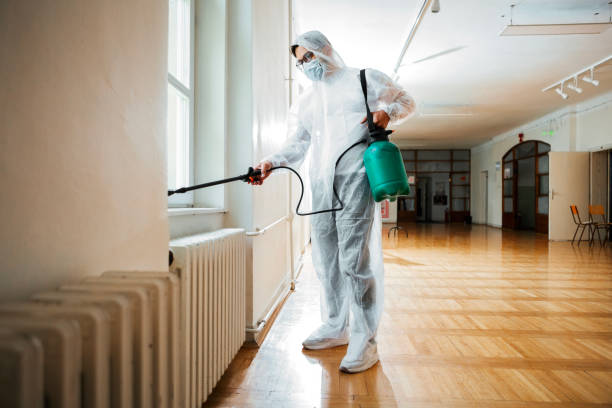
Professional pest management is not limited to eliminating visible pests. It involves identifying root causes, monitoring pest activity, and applying long-term prevention strategies.
Why Pest Management Requires a Structured Approach
Pests are adaptable organisms that quickly develop resistance or find alternative ways to survive. A structured approach ensures that pest control is not temporary but sustainable over time.
Without a structured system, infestations often return, leading to repeated damage and higher costs.
Importance in Different Environments
Different environments, such as homes, offices, warehouses, and food facilities, require tailored pest management strategies. Each environment has unique risks and pest pressures.
Role of Professionals in Pest Control
Professional pest managers use scientific methods, monitoring tools, and regulated treatments to ensure effective control. Their role is to balance safety, effectiveness, and environmental responsibility.
What Are the 5 Methods of Pest Management?
The five primary methods used in professional pest management are:
- Cultural control
- Mechanical and physical control
- Biological control
- Chemical control
- Integrated Pest Management systems approach
Each method plays a specific role and works best when combined with the others.
Cultural Control in Pest Management
Cultural control refers to modifying human habits, environmental conditions, and operational practices to reduce pest attraction and survival.
How Cultural Control Works
Cultural control focuses on making environments less suitable for pests. This includes reducing access to food, water, and shelter.
By changing everyday practices, pest populations can be significantly reduced without using chemicals.
Sanitation and Cleanliness Practices
One of the most important aspects of cultural control is maintaining cleanliness. Food waste, spills, and clutter provide ideal conditions for pests such as rodents, cockroaches, and ants.
Regular cleaning schedules help eliminate these attractants and reduce infestation risks.
Waste Management Systems
Proper waste handling is essential in pest prevention. Bins should be sealed, emptied regularly, and stored away from buildings.
Poor waste management is one of the leading causes of pest infestations in both residential and commercial environments.
Storage and Organisation Practices
Storing goods properly reduces hiding places for pests. Items should be kept off the floor and away from walls to allow inspection and airflow.
Good organisation also makes it easier to detect early signs of pest activity.
Mechanical and Physical Pest Control Methods
Mechanical and physical control involves using tools, barriers, and devices to physically remove or block pests.
How Mechanical Control Works
This method directly targets pests using traps, barriers, and exclusion techniques. It is often used in combination with other pest management methods.
Traps for Rodents and Insects
Traps are commonly used to capture rodents such as rats and mice. They can also be used for insects like flies and cockroaches.
Traps are especially useful in sensitive environments where chemical use must be limited.
Exclusion Techniques
Exclusion involves sealing entry points such as cracks, gaps, vents, and openings in buildings.
This prevents pests from entering structures in the first place, making it one of the most effective long-term solutions.
Barriers and Protective Installations
Physical barriers such as mesh screens, door sweeps, and protective covers help block pest access to buildings and storage areas.
Advantages of Physical Control
Physical methods are safe, environmentally friendly, and highly effective when properly maintained.
Biological Pest Control Methods
Biological control uses natural organisms to reduce pest populations.
How Biological Control Works
This method introduces predators, parasites, or pathogens that naturally control pest populations.
It is often used in agricultural and outdoor environments, but can also be applied in certain controlled commercial settings.
Natural Predators
Some pests can be controlled by introducing their natural predators. For example, certain insects may be used to control aphid populations.
Microbial Agents
Microbial control uses bacteria, fungi, or viruses that target specific pests without harming humans or the environment.
Environmental Balance
Biological control aims to maintain ecological balance rather than eliminating pest species.
Limitations of Biological Control
While effective, biological methods are slower and require careful environmental management, making them less suitable for rapid infestations.
Chemical Pest Control Methods
Chemical control involves the use of pesticides and chemical treatments to eliminate pests.
How Chemical Control Works
Chemicals are applied to kill or repel pests. This method is often used when infestations are severe or require immediate control.
Insecticides and Rodenticides
Insecticides target insects such as ants, cockroaches, and termites. Rodenticides are used for rodents like rats and mice.
These products are carefully regulated to ensure safety.
Baiting Systems
Baiting involves combining attractants with pesticides. Pests consume the bait and are eliminated over time.
This method is commonly used in both residential and commercial pest control.
Spray Treatments
Sprays are used to treat surfaces where pests are active. They provide quick knockdown effects but may require repeat applications.
Safety and Regulation
Chemical use must follow strict guidelines to protect humans, pets, and the environment. Professionals are trained to apply treatments safely and effectively.
Integrated Pest Management Approach
Integrated Pest Management (IPM) is a comprehensive system that combines all five pest management methods into a single strategy.
How IPM Works
IPM focuses on long-term prevention and uses multiple control methods based on monitoring and inspection data.
Instead of relying on one solution, IPM adapts to changing pest conditions.
Monitoring and Inspection
Regular monitoring is essential to detect pest activity early. This allows professionals to respond before infestations become severe.
Threshold-Based Action
IPM uses pest thresholds to determine when action is necessary. Not all pest presence requires immediate chemical treatment.
Combining Control Methods
IPM integrates cultural, mechanical, biological, and chemical methods depending on the situation.
Benefits of IPM
IPM reduces chemical use, lowers costs over time, and provides more sustainable pest control outcomes.
Why These Five Methods Work Together
Each pest management method has strengths and limitations. When combined, they create a complete system that addresses all aspects of pest control.
Layered Protection Strategy
Cultural methods reduce attraction, mechanical methods block entry, biological methods regulate populations, and chemical methods eliminate active infestations.
Flexibility Across Environments
This system can be adapted for homes, businesses, warehouses, and agricultural settings.
Long-Term Effectiveness
By focusing on prevention and control, pest populations are managed more sustainably over time.
Frequently Asked Questions
What are the 5 methods of pest management?
The five methods are cultural control, mechanical and physical control, biological control, chemical control, and integrated pest management systems.
Which pest control method is most effective?
Integrated Pest Management is considered the most effective because it combines multiple strategies for long-term results.
Are chemical methods always necessary in pest control?
No, chemical methods are used only when necessary and are often combined with non-chemical approaches in professional pest management.
Conclusion
Understanding what the 5 methods of pest management are provides a clear insight into how professional pest control works. Cultural, mechanical, biological, chemical, and integrated approaches each play a vital role in maintaining pest-free environments.
Rather than relying on a single solution, professional pest management uses a combination of strategies tailored to specific environments and pest pressures. This ensures more effective, sustainable, and long-lasting results.
As pest challenges continue to evolve, these five methods remain the foundation of modern pest control practices used by professionals across residential, commercial, and industrial sectors.






Leave a Reply